In today's fast-paced industrial landscape, the demand for innovation has never been greater. Companies strive to develop products that address market needs efficiently. This is where the ability to 3D print prototypes plays a crucial role. By creating rapid prototypes, businesses can visualize concepts more effectively. Many designers find that 3D print prototypes highlight design flaws early in the process. This can lead to significant time and cost savings.
However, the journey isn't without challenges. Material selection and printer calibration can impact the final product quality. Often, teams overlook these details, leading to disappointing prototypes that fail to meet expectations. Additionally, balancing speed and accuracy can be tricky. It requires experience to know when to prioritize one over the other.
Embracing the 3D printing technology thoughtfully can lead to transformative results. A commitment to refining the prototyping process can inspire innovation. But it is essential to recognize that not every prototype will succeed. Each failure offers valuable insights. With careful evaluation and a willingness to learn, teams can develop products that resonate with users. In this article, we will explore strategies for leveraging 3D print prototypes effectively in product development.
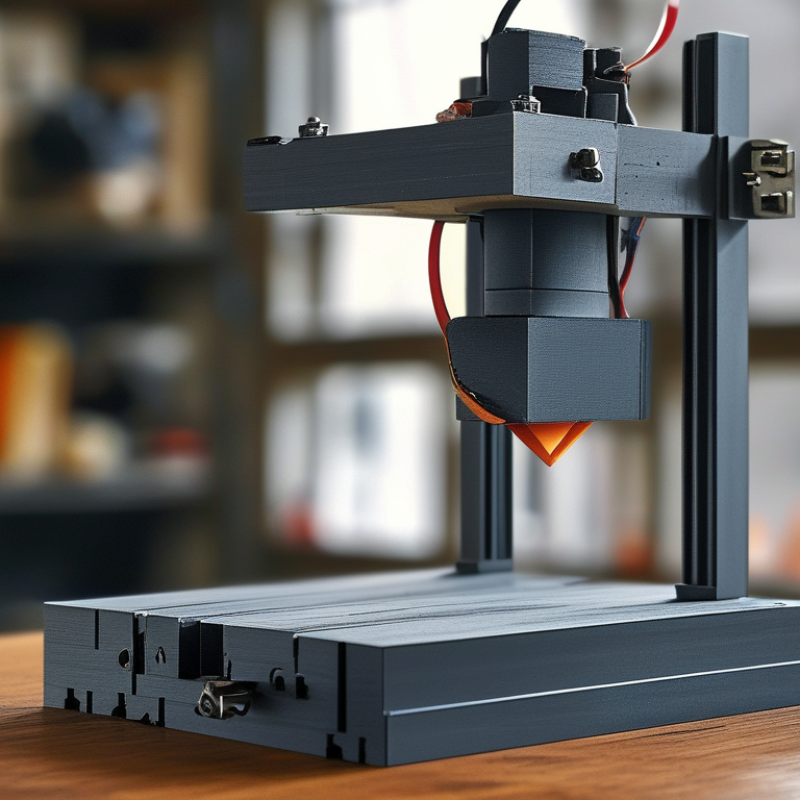
3D printing is transforming product development. By creating prototypes, designers can visualize concepts quickly. This rapid prototyping enables teams to refine designs before full-scale production.
Understanding the basics of 3D printing is key. Various methods exist, each suitable for different materials and applications. For instance, Fused Deposition Modeling (FDM) is popular for its simplicity. However, it may not always offer the detail needed for complex shapes. This is a limitation worth considering.
Prototyping has its challenges. Some printed models may not meet structural integrity requirements. Iteration is crucial in this phase. Gathering feedback early can help identify weaknesses. Using 3D printing allows for a hands-on approach, which fosters creativity and innovation. Yet, balancing speed with quality is essential.
When choosing the right 3D printing technology for prototyping, several factors must be considered. A recent report from Wohlers Associates indicates that 3D printing has reduced product development time by up to 75% in some sectors. This efficiency is largely due to the ability to iterate designs quickly and accurately. Different technologies, such as FDM, SLA, and SLS, cater to different needs and materials, impacting the quality and utility of prototypes.
Tip: Evaluate your project's specific needs. If speed is vital, FDM may be favorable. For intricate details, consider SLA. Moreover, understanding the material choices can influence the mechanical properties of your prototypes.
It's worth noting that while 3D printing offers immense advantages, there can be downsides. Not every design translates well into 3D printed form. Some complex geometries may not print correctly, leading to wasted material and increased costs. This requires careful design considerations and testing.
Tip: Conduct design reviews early and often. Engage with prototyping specialists who can provide insights into potential pitfalls. This proactive approach can save time and resources during development.
When designing effective 3D printed prototypes, several key considerations can lead to success. Think about the material choice carefully. Different materials behave differently under stress and temperature, which can affect the prototype's performance. For instance, using ABS might be ideal for durability, but PLA may offer better detail. Balancing these traits is crucial.
Geometry plays a significant role too. Complex shapes can be challenging to print and may lead to failure or poor results. Aim for simplicity when necessary. However, don't shy away from exploring innovative designs that push the boundaries of what's possible with 3D printing. Prototyping sometimes reveals design flaws or unforeseen issues that require adjustment.
Ensure your prototype serves its purpose. Testing early and often helps identify areas that need improvement. User feedback is invaluable. It provides insights that technical specifications might miss. Reflecting on these issues can refine your approach, fostering better prototypes in future iterations. Be prepared for trial and error; it is all part of the learning process.
Creating a 3D printed prototype is an essential step in product development. Start by defining your project clearly. Understand the functionality you need from the prototype. Gather input from team members, as diverse perspectives enhance the creation process. Sketch out your concepts on paper or digital platforms. Visualization helps in refining ideas before moving on.
Once you have a solid design, choose the right materials for printing. Not all materials will suit your prototype’s purpose. Consider flexibility, strength, and durability. Test prints can reveal design flaws. Be prepared for iterations. The first print might not meet expectations. Analyze the results critically. Did the prototype function as intended? Were there any stability issues? Use feedback to enhance your design.
After refining your prototype, conduct functional tests. Assess how well it performs under real-world conditions. Seek input from users to evaluate usability. Document every stage of the process. Reflect on what worked and what didn’t. This ongoing learning process is crucial for creating effective products. Remember, imperfections in the prototype are opportunities for improvement.
| Step | Description | Duration (Days) | Materials Needed | Testing Method |
|---|---|---|---|---|
| 1 | Define product requirements and specifications | 5 | Market research reports | N/A |
| 2 | Create initial design sketches | 3 | Sketching tools | Peer review |
| 3 | Develop 3D models using CAD software | 7 | CAD software licenses | Simulation analysis |
| 4 | 3D print the prototype | 2 | 3D printer, filament | Visual inspection |
| 5 | Test the prototype for functionality | 4 | Testing equipment | Performance testing |
| 6 | Gather feedback and iterate | 5 | Feedback surveys | Focus groups |
Iterating designs based on prototype feedback is a crucial step in the product development process. Prototypes serve as tangible representations of concepts, allowing designers to observe and evaluate their ideas. Feedback—whether from users, engineers, or stakeholders—can highlight both strengths and weaknesses of a design. An immersive review often reveals issues that may not be apparent in digital renderings. This method fosters a culture of continuous improvement.
An approach to iteration requires openness to critique. Designers should encourage honest feedback, even if it feels uncomfortable. For example, a prototype may seem sleek but could lack functionality or user-friendliness. Gathering insights on usability can direct designers to areas needing refinement. Importantly, utilizing tools such as surveys or interviews can elicit constructive input that guides the next iteration.
However, not every prototype will lead to immediate success. Sometimes, the initial reaction might be overly positive, masking flaws. Designers should prepare to confront this reality. Reflecting on failures is as vital as celebrating successes. Continuous iteration based on real-world feedback cultivates better designs and paves the way for successful product development.
: 3D printing allows designers to create prototypes quickly, visualizing concepts with ease.
It enables teams to refine designs before full-scale production, saving time and resources.
FDM is a common 3D printing method known for its simplicity but can lack detail for complex shapes.
Some printed models may lack structural integrity, requiring critical feedback and multiple iterations to improve.
Clearly define your project and gather diverse input from team members to enhance creativity.
Evaluate flexibility, strength, and durability of materials to ensure they fit your prototype's purpose.
Analyze results critically and be prepared for iterations; the first print often won’t meet expectations.
User input is essential to assess usability and improve the prototype’s design based on real-world performance.
It allows for reflection on what worked and what didn’t, creating a learning process for future enhancements.
Imperfections represent opportunities for improvement, highlighting areas that need refinement in the design.
In the process of efficient product development, understanding the basics of 3D printing is crucial, as it allows designers and engineers to create tangible prototypes quickly. By identifying the appropriate 3D printing technology, professionals can enhance the prototyping process for various materials and design requirements. Effective design considerations contribute significantly to the success of a 3D print prototype, ensuring that it meets functional and aesthetic criteria.
The creation and testing of a 3D print prototype involve meticulous steps that allow for real-world evaluation of the design. Feedback gathered from testing is invaluable, enabling teams to iterate on their designs and make necessary improvements. This iterative process not only enhances the product's final outcome but also streamlines the overall development timeline, making 3D printing a vital tool in modern product design and innovation.

Hongrui Model