Buying a 3d Print Prototype across borders is not simply a price comparison. It is a technical, commercial, and quality decision.
The Wohlers Report 2024 valued the global additive manufacturing industry at approximately $20.035 billion in 2023. It also reported modest year-on-year growth, showing a mature market with stronger expectations. Buyers now demand repeatable tolerances, verified materials, clear documentation, and reliable delivery. A cheap sample can become expensive after redesigns, customs delays, or failed testing.
Small details matter.
This guide presents 10 practical tips for global buyers sourcing prototypes from international manufacturers. It considers process selection, material certificates, dimensional inspection, surface finish, intellectual property protection, packaging, shipping, and supplier communication. ISO/ASTM 52900:2021 provides common additive manufacturing terminology, but terminology alone cannot guarantee production quality. The supplier must explain machine capability, build orientation, post-processing, and inspection methods in specific terms.
Ask for evidence.
A trustworthy supplier should provide sample reports, production photographs, realistic tolerances, and clear commercial conditions. Buyers should also confirm who manages import duties, replacement parts, design confidentiality, and corrective action. These points matter when a prototype must fit a metal bracket, a medical-device enclosure, or a moving assembly.
No sourcing guide removes every risk. Material behavior can vary between machines, and delivery estimates can change during international transport. Even experienced buyers sometimes overvalue a low quotation. Careful comparison remains essential, especially when a prototype may influence certification, tooling, or later production decisions.
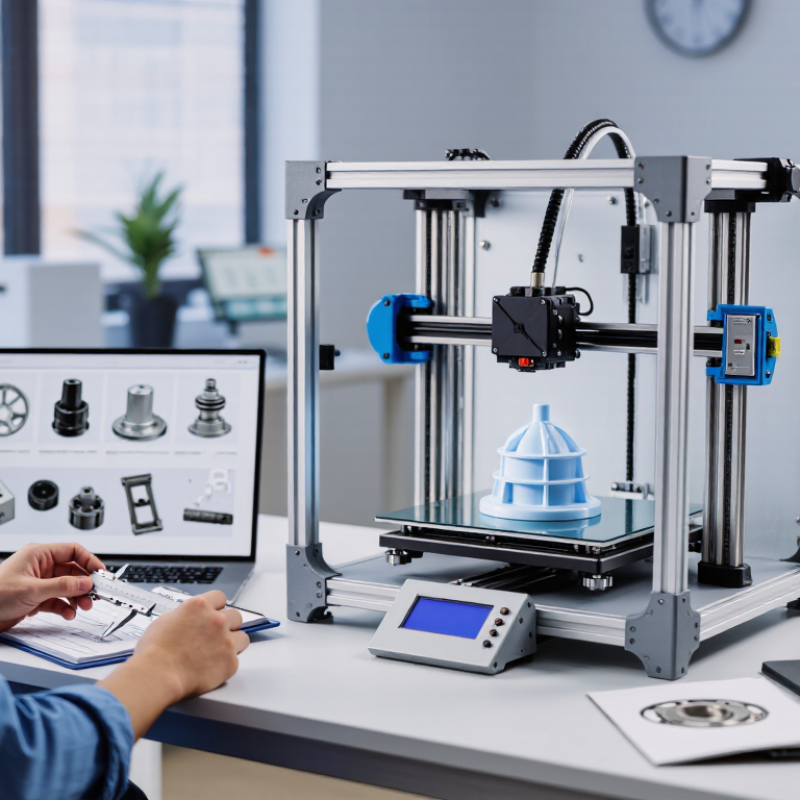
Understanding 3D Print Prototypes and Their Global Uses
3D print prototypes help global buyers test form, fit, and function before full production.
In hands-on prototype work, I inspect wall thickness, layer direction, support marks, and moving joints.
A printed hinge may look accurate but fail after repeated use.
A practical ten-point check covers material, dimensions, tolerances, surface finish, color, strength, assembly, packaging, delivery time, and documentation.
Ask for a technical drawing and clear measurement method. Confirm whether dimensions are checked before or after finishing.
Request material data and safety documents when the prototype may contact people, food, or equipment.
Requirements differ across countries, so local compliance review remains important. Protect sensitive design files with controlled access and written confidentiality terms.
Global shipping adds risk.
Moisture, heat, and rough handling can damage thin parts, especially during long transit. Use protective packaging and inspect the sample immediately after arrival.
I recommend photographing the package, measuring critical features, and recording defects.
A sample approval process prevents expensive misunderstandings. Still, early estimates can be wrong.
Print time changes with geometry, orientation, and machine availability. Colors may also vary between batches.
That uncertainty deserves honest communication, not polished promises.
Defining Prototype Goals, Requirements, and Production Scope
3D Print Prototype: 10 Tips for Global Buyers
Defining Prototype Goals, Requirements, and Production Scope
A prototype should answer a specific question, not merely look impressive. Define the goal first: fit, function, appearance, assembly, or user testing. This choice controls material, tolerance, surface finish, and printing technology. The Wohlers Report 2024 valued the global additive manufacturing market at about 20 billion US dollars in 2023. Growth was approximately 13.5 percent. More buyers now move prototypes toward low-volume production, but the requirements can change sharply.
Tips:
Write a one-page prototype brief. Include dimensions, critical tolerances, load conditions, expected quantity, and inspection points. Add clear photos or CAD views with marked features. State whether the part needs drilling, sanding, coating, or assembly. Small details matter. A 0.2-millimeter tolerance may be realistic for one process but unsuitable for another. Confirm the measurement method, not only the target number.
Production scope needs equal attention. Separate prototype quantities from forecast quantities. Specify one sample, ten samples, or a repeatable batch. Include packaging, delivery terms, certificates, and material documentation. ISO/ASTM 52900 provides common terminology for additive manufacturing, which reduces confusion across countries. Still, terminology does not guarantee performance. A visually excellent part can fail after heat, vibration, or repeated assembly. This is where many briefs remain weak. Add a validation plan, acceptance criteria, and a change-control process before ordering.
Choosing Materials, Processes, and Suitable Printing Technologies
Choosing Materials, Processes, and Suitable Printing Technologies
Tip 1: Define the prototype’s purpose before selecting a material. A visual model needs different properties than a functional test part. Tip 2: Check heat, moisture, chemical, and impact exposure early. Tip 3: Match strength direction with the expected load. Layer orientation can change performance significantly. Tip 4: Ask for verified tolerance data, not optimistic estimates. Small holes often print differently from large flat surfaces.
Tip 5: Choose the process according to surface quality, detail, speed, and quantity. Resin-based methods suit fine features, while filament methods can support larger, practical parts. Tip 6: Consider post-processing time, including sanding, washing, curing, or machining. These steps affect the real delivery cost. Tip 7: Request a small test piece before approving the full batch. I once trusted a digital model too much; the finished edges needed redesigning. That mistake was avoidable.
Tip 8: Share clear drawings, target tolerances, and intended use with the printing supplier. Tip 9: Confirm whether the selected material has consistent technical documentation. Reliable suppliers should explain limitations without hiding uncertainty. Tip 10: Plan for regional shipping, humidity, packaging, and inspection requirements. A perfect prototype can still arrive damaged or distorted. No material is perfect. Leave room for testing, feedback, and one more revision.
Checking Suppliers, Costs, Quality Standards, and Lead Times
3D Print Prototype: 10 Tips for Global Buyers
Checking Suppliers, Costs, Quality Standards, and Lead Times
A reliable supplier should explain its printing process, materials, tolerances, and inspection methods clearly. Request recent sample photos, dimensional reports, and a small paid test part. Ask who controls production when orders become urgent. Vague answers often signal hidden risks. Communication matters too. Confirm response times, technical drawings, and revision procedures before payment.
Compare complete costs, not only the quoted piece price. Include setup fees, finishing, packaging, shipping, taxes, and possible remake charges. A low quote may exclude surface treatment or inspection. Ask for a written cost breakdown. For quality, define material grades, layer direction, tolerance ranges, color limits, and acceptance standards. If a prototype fits a metal assembly, check critical holes with calibrated tools. A visual check is not enough.
Lead times should include design review, production, post-processing, inspection, and transit. Request a schedule with clear approval points. Build extra time for customs delays and design changes. No estimate survives every revision. My checklist is useful, but not perfect; suppliers may interpret “high quality” differently. Put every requirement in the purchase documents, including sample approval, packaging protection, and what happens when measurements fail. Keep inspection records and photographs for each shipment.
3D Print Prototype: 10 Tips for Global Buyers
Use this planning chart to compare typical prototype turnaround ranges. Actual lead times depend on geometry, quantity, material, post-processing, inspection requirements, shipping, and supplier capacity.
Buyer reminder: Check supplier capability, request material and dimensional records, confirm applicable ISO/ASTM requirements, compare total landed cost, approve a sample, and agree on inspection criteria and delivery milestones before placing an order.
Managing Shipping, Communication, Compliance, and Final Inspection
3D Print Prototype: 10 Tips for Global Buyers
Tip 1: Confirm the shipping address, phone number, and delivery contact before production. Tip 2: Request the package dimensions and gross weight early. These details affect freight costs. In my prototype projects, buyers often underestimate packaging volume. That mistake becomes expensive. Tip 3: Choose a trackable shipping service with realistic delivery estimates. Delays happen. Leave buffer time for customs processing and local holidays.
Tip 4: Keep communication specific. Share CAD files, reference photos, tolerances, surface requirements, and intended use. Tip 5: Approve a written quotation covering quantity, material, finish, shipping, taxes, and revision limits. Vague wording creates avoidable disputes. Tip 6: Ask for progress photos before dispatch. Photos cannot replace inspection, but they reveal obvious defects. I once approved a surface finish too quickly. The printed texture looked acceptable on screen, yet felt rough in hand.
Tip 7: Check whether the material, labeling, packaging, and documentation meet the destination’s current import requirements. Tip 8: Request an accurate commercial invoice and product description. Never ask for misleading declarations. Tip 9: Define acceptance criteria before printing, including dimensions, warping limits, color tolerance, and visible layer marks. Tip 10: Inspect the prototype immediately after arrival. Measure critical features with suitable tools, photograph damage, and record shortages within the agreed reporting period. A simple checklist helps. Still, some criteria may need revision after real-world testing. That is normal, and worth documenting.
FAQS
They help test form, fit, and function before larger spending. A hinge may look accurate but fail after repeated movement. Small details matter.
Share technical drawings, target dimensions, tolerances, material needs, and intended use. Explain expected heat, moisture, chemical, and impact exposure. Clear drawings prevent avoidable confusion.
Choose based on the prototype’s purpose. Visual models need different properties than functional test parts. Match strength direction with expected loads. No material is perfect.
Layer orientation can change strength, surface quality, and joint behavior. Ask how the part will be oriented during printing. Test thin walls and moving sections carefully.
Check dimensions, wall thickness, holes, surface finish, color, strength, and assembly. Use calibrated tools for critical features. A visual check is not enough.
Use protective packaging against moisture, heat, and rough handling. Inspect the parcel immediately after arrival. Photograph the package and record defects.
Compare setup, printing, finishing, packaging, shipping, taxes, and possible remake charges. Ask for a written breakdown. A low quote can hide missing services.
Include design review, production, post-processing, inspection, and transit. Allow extra time for design changes and customs delays. No estimate survives every revision.
Use controlled access and written confidentiality terms. Share only necessary files with the production team. Keep approval records and shipment photographs.
Yes. A small test piece can reveal rough edges, weak features, or unexpected colors. I once trusted a digital model too much. The edges needed redesigning.
Conclusion
A 3d Print Prototype helps global buyers evaluate product concepts, test functional details, and identify design improvements before larger-scale production. To achieve useful results, buyers should first define the prototype’s purpose, performance requirements, dimensions, appearance, quantity, and expected production scope. These decisions guide the selection of suitable materials, printing processes, surface finishes, and technology, whether the priority is strength, precision, speed, or visual presentation.
When comparing suppliers, consider technical capability, quality standards, production costs, lead times, communication efficiency, and experience with international orders. Buyers should also confirm packaging, shipping arrangements, documentation, import requirements, and any relevant product compliance obligations before production begins. Clear drawings, specifications, inspection criteria, and approval procedures can reduce misunderstandings across time zones and languages. Finally, conduct a thorough final inspection to verify dimensions, materials, surface quality, functionality, and packaging condition. A structured approach helps global buyers control risks, manage budgets, and receive prototypes that accurately support product development.

 Hongrui Model