What is 5 Axis Machining and Why Is It Important for Industry?

Time:2026-07-31 Author:Oliver
0%

5 Axis Machining has revolutionized the manufacturing landscape. This advanced technology allows for complex geometries and improved efficiency. "5 Axis Machining has changed how we think about precision," says Dr. Emily Carter, a leading expert in machining technologies. Her insights highlight the importance of this approach in achieving high-quality production.

With traditional methods, limitations often hindered creativity. However, 5 Axis Machining expands these boundaries. It enables manufacturers to produce parts with intricate details that were once impossible to create. This capability not only enhances design possibilities but also optimizes production time.

Industries ranging from aerospace to medical devices greatly benefit from this technology. Yet, the implementation of 5 Axis Machining can present challenges. Companies must invest in skilled operators and advanced software. But the return on investment is compelling. This balance of risk and reward is worth considering for future innovations.
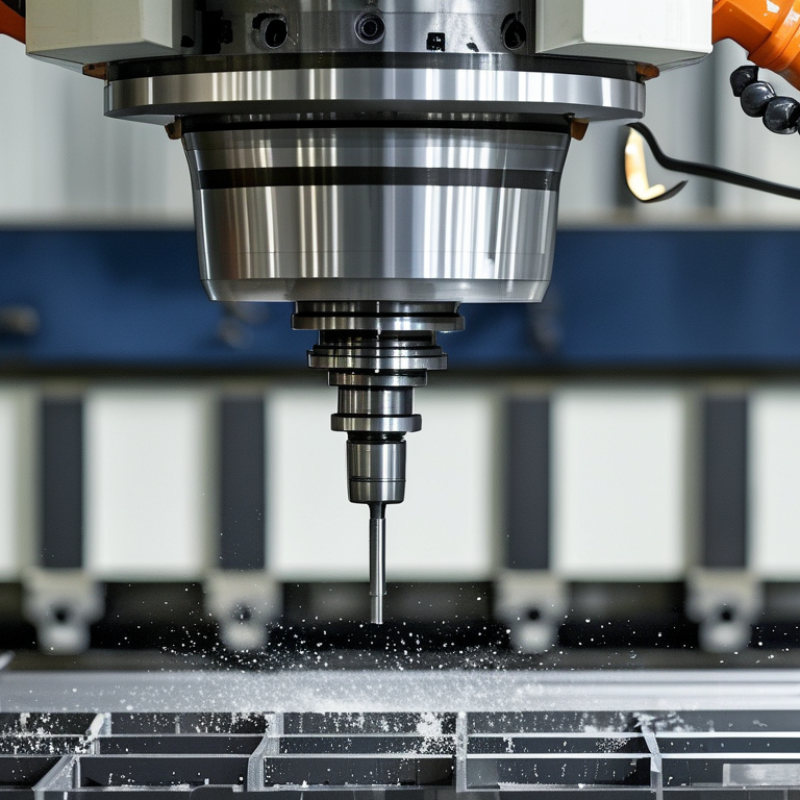
What is 5 Axis Machining and Why Is It Important for Industry?

What is 5 Axis Machining? A Comprehensive Overview for Industry Professionals

5 Axis Machining is revolutionizing the manufacturing industry. This advanced technique allows for intricate designs and precision that simpler machining methods cannot achieve. With the ability to move the cutting tool along five different axes, manufacturers can create complex shapes with fewer setups. This efficiency translates to reduced production times and lower costs.

For industry professionals, understanding 5 Axis Machining is crucial. It enhances the capacity to produce components with tight tolerances and intricate geometries. This becomes particularly relevant in sectors such as aerospace and medical device manufacturing, where precision is non-negotiable. However, the technology comes with a learning curve. Mastering this machining technique requires a solid grasp of CNC programming and tooling strategies.

Moreover, there are limitations. Not every part is suited for 5 Axis Machining. Material selection and part geometry play significant roles in determining feasibility. Some designs may require rethinking to fully exploit the benefits. Overall, as industries evolve, 5 Axis Machining stands out as essential. Embracing it could significantly enhance productivity and competitiveness. However, continuous learning and adaptation are key to truly harnessing its potential.

Key Benefits of 5 Axis Machining for Precision Manufacturing Applications

5 Axis machining is transforming precision manufacturing. This technology allows for enhanced cutting capabilities. It enables tools to move along multiple axes simultaneously. Therefore, it can produce complex shapes with high accuracy. According to the latest industry report, the global 5 Axis machining market is projected to reach $4.5 billion by 2028. This growth reflects a rising demand across sectors like aerospace and automotive.

One of the key benefits is the reduction in setup time. Traditional machining often requires multiple setups and fixtures. With 5 Axis, parts can be machined in a single setup. This not only saves hours but also minimizes potential errors. Data suggests that manufacturers report up to a 30% decrease in processing time with this technology. However, initial costs for 5 Axis machines can be high. Not every company can justify this investment right away. They may need to carefully assess their production needs.

Another significant advantage is improved precision. 5 Axis machining ensures more accurate cuts. This results in tighter tolerances, which are crucial for high-performance parts. The accuracy level can reach 0.1 mm, according to some studies. Nevertheless, operators must be well-trained. Misalignment or insufficient knowledge can lead to costly mistakes. Manufacturing leaders must, therefore, invest in training and technology to harness the full potential of 5 Axis machining.

Comparative Analysis: 5 Axis vs. Traditional Machining Techniques

5-axis machining stands out from traditional machining techniques due to its ability to manipulate materials in multiple directions. This enhances complexity and accuracy in part manufacturing. According to a report by the American Machinist, 5-axis machines can reduce production time by up to 75% compared to their 3-axis counterparts. This efficiency is crucial for aerospace and automotive industries, where precision and speed are paramount.

Traditional machining often requires multiple setups to achieve the desired angles and finishes. Each setup introduces the possibility of error and misalignment. Data from Manufacturing Technology Insights highlights that 5-axis machining significantly reduces such risks. With the capability to work on complex geometries, operators can produce intricate designs that traditional methods may struggle to accomplish. However, the steep learning curve and initial costs might deter some businesses from transitioning fully.

Industries are increasingly turning to 5-axis machining due to its versatility. Still, it is not without its challenges. Operators need specialized training to maximize the machine’s capabilities. A study by Modern Machine Shop emphasizes that while the transition may seem daunting, the long-term gains can outweigh initial discomforts. As industries evolve, the importance of advanced techniques like 5-axis machining cannot be overstated.

Industry Applications: Where 5 Axis Machining Makes a Significant Impact

5-axis machining has revolutionized various industries with its precision and versatility. It allows for intricate designs, improving product quality and reducing manufacturing time. According to a report by MarketsandMarkets, the global 5-axis machine tools market is projected to reach USD 2.1 billion by 2026, driven by a demand for complex geometries in aerospace and automotive sectors.

In aerospace, manufacturers rely on 5-axis machining for creating lightweight components. The need for higher efficiency drives innovation. Parts produced with this technology often exhibit less waste. Aerospace firms have reported improvements in part-per-weight ratios, enhancing overall performance. However, the high initial setup costs can deter smaller companies from adopting this technology.

The automotive industry also benefits significantly. 5-axis machining allows for the production of intricate engine components and molds. A study by TechSci Research highlights a potential growth rate of 7% in 5-axis machining penetration in automotive production by 2025. Despite the benefits, companies must carefully evaluate their readiness for adoption. Some lack the skilled workforce necessary for optimal machine operation, highlighting an industry skill gap that needs addressing.

Emerging Trends: The Future of 5 Axis Machining in Advanced Manufacturing

5-axis machining is revolutionizing the manufacturing landscape. As industries demand more precision and efficiency, this advanced technology is becoming crucial. Emerging trends indicate that its adoption will continue to rise, driven by innovations in material science and automation.

Manufacturers can now work with complex geometries that were previously challenging. This flexibility allows for intricate parts, reducing the need for multiple setups. Businesses are finding that 5-axis machining can significantly reduce lead times. Many are investing in training programs to enhance skill sets in this area.

**Tip:** When considering 5-axis machining, evaluate your current machining capabilities. Identify which parts can benefit most from this technology.

The integration of artificial intelligence is a notable trend. AI can optimize machining processes, ensuring peak performance. Yet, companies must be cautious, as not all machines benefit equally from such integrations. Finding the right tools is essential for successful implementation.

**Tip:** Stay updated on training resources for your team. Continuous learning will ensure your workforce remains competitive.

As industries evolve, the role of 5-axis machining will only grow. Embracing this technology now may position businesses for future success in advanced manufacturing. However, regular assessments and updates to technology and processes will be necessary for sustained benefits.

What is 5 Axis Machining and Why Is It Important for Industry?

Dimension Description
Axis Movement 5 Axis machining allows for simultaneous movement along five different axes, improving machining precision and efficiency.
Material Compatibility Suitable for a wide range of materials including metals, plastics, and composites, enhancing versatility in manufacturing.
Applications Used in aerospace, automotive, medical devices, and complex component manufacturing.
Benefits Reduces the need for multiple setups, thus minimizing production time and cost while increasing accuracy.
Emerging Trends Integration with AI and automation technologies is expected to enhance the capabilities and application of 5 Axis machining.

FAQS

: What is 5

xis machining?

How does 5 Axis machining improve efficiency?

It reduces setup time by allowing parts to be machined in a single setup, saving hours in production.

What accuracy can 5 Axis machining achieve?

It can reach an accuracy level of 0.1 mm, crucial for high-performance components.

Why is training important for 5 Axis machining?

Operators must be well-trained, as misalignment can lead to costly mistakes in production processes.

What challenges might businesses face when adopting 5 Axis machining?

The initial costs are high and the learning curve steep, which may deter some companies from switching.

How does 5 Axis machining compare to traditional methods?

It significantly reduces production time, minimizes errors, and handles complex geometries better than traditional machining.

What role does AI play in 5 Axis machining?

AI optimizes machining processes for efficiency. Not all machines benefit from AI, so careful assessment is needed.

What should businesses consider before adopting 5 Axis technology?

Evaluate current machining capabilities and determine which parts would benefit most from 5 Axis applications.

How can companies stay competitive with 5 Axis machining?

Invest in ongoing training programs for employees to enhance skill sets and adapt to new technologies.

What is the future perspective for 5 Axis machining?

Its adoption is expected to rise, driven by advances in materials and a demand for greater precision in manufacturing.

Conclusion

5 Axis Machining is an advanced manufacturing technique that enables greater precision and flexibility compared to traditional machining methods. In a comprehensive overview tailored for industry professionals, the article explores the key benefits of 5 Axis Machining, highlighting its ability to produce complex geometries and reduce production times. The comparative analysis emphasizes how this technique outperforms conventional approaches, particularly in terms of accuracy and efficiency.

Furthermore, the article discusses various industry applications where 5 Axis Machining makes a significant impact, including aerospace, automotive, and medical fields. As manufacturing technology continues to evolve, emerging trends suggest a promising future for 5 Axis Machining, positioning it as a critical component in advanced manufacturing processes. Overall, understanding the capabilities and advantages of 5 Axis Machining is essential for professionals aiming to enhance their manufacturing strategies.

Oliver

Oliver

Oliver is a seasoned marketing professional with a wealth of expertise in driving brand awareness and engagement. With a deep understanding of our company's product offerings, he consistently delivers high-quality content that enriches our professional blog. His insights not only shed light on......