CNC turning has revolutionized manufacturing, making it a vital process for global buyers. It allows for high precision and efficiency, crucial for competitive industries. According to a report by Grand View Research, the CNC machining market is projected to reach $100 billion by 2025. Such growth underscores the importance of CNC turning as a reliable solution for complex components.
Expert in the field, Dr. Elizabeth Han, states, "CNC turning enhances production speed while reducing waste." Her insights highlight how companies can leverage CNC technology to maintain quality standards while optimizing resource usage. This combination of speed and precision is essential as companies face increasing pressure to meet customer demands.
Despite its advantages, CNC turning is not without challenges. Some manufacturers struggle with initial setup costs and require continuous training. Balancing the benefits with operational costs is crucial. As the industry evolves, ongoing adaptation and learning will be necessary to fully harness CNC turning's potential.
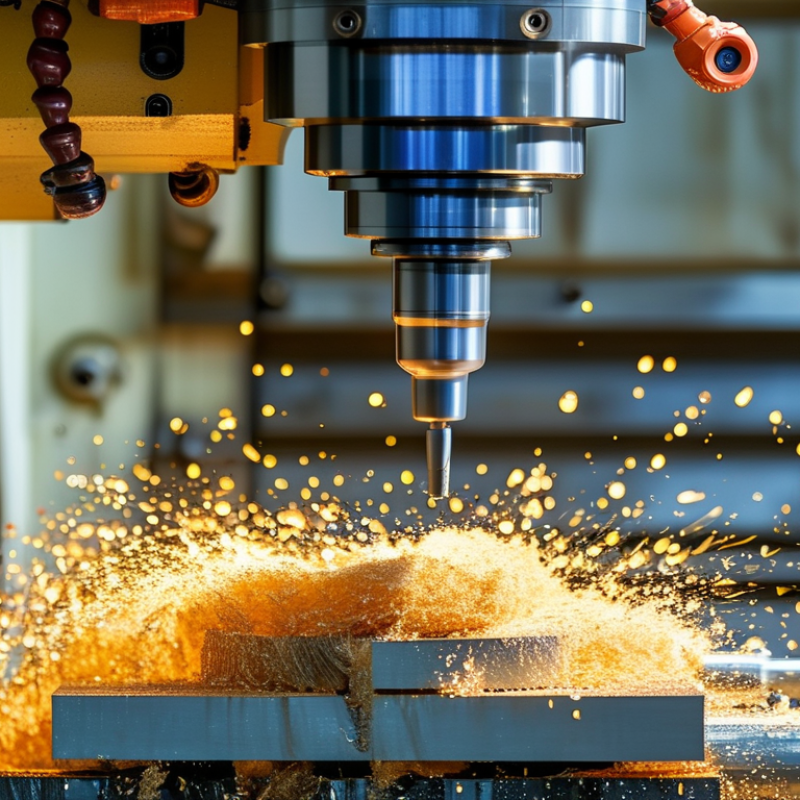
CNC turning is a crucial manufacturing process that transforms raw materials into precise components. With the rise of automation, CNC turning enhances efficiency in production. According to industry studies, facilities utilizing CNC technology see productivity increases of up to 50%. This technology allows for tighter tolerances and improved quality control, vital for sectors like aerospace and automotive.
One significant benefit of CNC turning is versatility. It can handle a wide range of materials, from metals to plastics. This flexibility meets diverse industry needs while reducing waste. However, some operations may face challenges in adapting to this advanced technology. Training staff to effectively use CNC machines can be resource-intensive. Companies might encounter initial inefficiencies that require time to resolve.
Tips:
CNC turning processes are lauded for their enhanced precision and accuracy. This technology allows for consistent manufacturing of intricate parts with minimal tolerances. By using computer numerical control, machines follow exact specifications. This results in products that fit perfectly into complex assemblies. Precision is essential in industries like aerospace and automotive, where even slight deviations can have significant repercussions.
However, achieving this level of precision is not without its challenges. Programming errors can lead to imperfections, sometimes resulting in wasted materials. Additionally, as designs evolve, keeping up with changing client demands can be a struggle. It requires a balance between speed and accuracy. Manufacturers must invest time in training to maintain skill levels, which is crucial for achieving desired outcomes.
Despite these challenges, the benefits of CNC turning are undeniable. When executed correctly, it enhances operational efficiency while reducing production costs. Correct setup procedures and regular maintenance are key aspects. These factors contribute to a smoother production process. Ultimately, the quest for precision is an ongoing journey, requiring constant adaptation and vigilance.
CNC turning has emerged as a crucial technology for global buyers, particularly in terms of cost efficiency and material optimization. Reports indicate that CNC turning can reduce production costs by up to 30% compared to traditional machining methods. This efficiency stems from the automation and precision of CNC machines, which minimizes material waste. According to a 2022 industry report, the average material utilization rate in CNC turning reaches around 90%. This means that manufacturers can maximize their resources effectively.
Material selection plays a vital role in CNC turning processes. Choosing the right materials can lead to even greater savings. For instance, lightweight metals like aluminum can reduce energy consumption during machining. Data shows that utilizing such materials may decrease operational costs by 15% over time. However, it is essential to balance cost with performance. Some materials may offer cost benefits but lack the necessary durability for certain applications. This can lead to increased long-term costs due to frequent replacements and maintenance.
While CNC turning presents significant advantages, challenges exist. Some manufacturers may underestimate setup times and programming complexities. These factors can impact overall efficiency if not addressed properly. Understanding the intricacies of the CNC turning process is crucial for global buyers aiming to optimize their production lines effectively. Continuous learning and adaptation will help in overcoming these obstacles and achieving maximum benefits from CNC technology.
CNC turning offers unparalleled flexibility and customization options for manufacturers. Global buyers can tailor designs to meet specific requirements. Whether it's altering dimensions or selecting unique materials, the possibilities are vast. This adaptability allows businesses to stay competitive and responsive to market demands.
Moreover, CNC turning processes can produce small to large runs efficiently. Even with varying designs, manufacturers can adjust parameters easily. This capability reduces downtime and enhances productivity. It addresses the needs of diverse industries, from automotive to aerospace, showcasing CNC technology's versatility.
However, customization also poses challenges. Precision is crucial, and slight miscalculations can lead to defects. Constant communication between buyers and manufacturers is essential. Seeking feedback and being open to revisions can help mitigate risks. Embracing both benefits and potential pitfalls of CNC turning is vital for maximizing its advantages.
CNC turning is revolutionizing the manufacturing landscape. It offers significant reductions in lead times, which is crucial for global buyers. In an era of rapid production cycles, this method streamlines processes, allowing for faster turnaround on orders. The precision of CNC turning enhances efficiency, minimizing errors and the need for rework.
Moreover, improved production rates bolster output. With automated systems, the machinery operates continuously, maximizing productivity. This consistency fosters reliability, ensuring that products meet strict quality standards. Buyers can expect a higher volume of goods without sacrificing quality.
However, it’s important to recognize the challenges that come with this technology. Initial setup costs can be high, which may deter some businesses. Adapting to CNC technology may require training and skills development. As companies embrace these advancements, they must also consider sustainability and the lifecycle of materials used. These factors warrant ongoing evaluation and adjustment as the technology evolves.
| Benefit | Description | Impact on Production | Cost Efficiency |
|---|---|---|---|
| Reduced Lead Times | Faster production processes allow for quicker turnaround on orders. | Significantly decreased time from order to delivery. | Lower holding costs due to quicker delivery times. |
| Improved Production Rates | Enhanced automation in CNC turning increases output levels. | Higher hourly production can meet demand spikes efficiently. | Cost savings through increased volume production. |
| Precision Engineering | CNC turning produces highly accurate components. | Reduces waste and rework, streamlining production. | Minimized costs related to defects and errors. |
| Versatility in Materials | Compatible with a wide range of materials including metals and plastics. | Ability to switch materials easily for different projects. | Reduction in material waste through adaptability. |
| Scalability | Easily scale production up or down based on demand. | Quick adjustments to production volume without significant delays. | Cost-effective response to market changes. |
| Consistency | Ensures same quality and measurements across batches. | Enhanced customer satisfaction due to reliable products. | Reduced costs associated with returns and quality checks. |
| Complex Geometry | Ability to produce intricate shapes that are hard to achieve conventionally. | Broader design possibilities for engineers and designers. | Potential for higher profit margins on complex components. |
| Reduced Labor Costs | Automation reduces the need for manual labor on the shop floor. | Less dependency on skilled labor for repetitive tasks. | Significant savings on labor costs. |
| Improved Safety | CNC machines reduce human error and risk of injury. | Safer working environment leads to higher employee morale. | Potential savings on insurance and liability costs. |
| Data-Driven Insights | CNC machines include monitoring tools to analyze performance. | Analytics can guide production improvements. | Informed decisions lead to further cost reduction. |
: CNC turning provides enhanced precision and accuracy. It allows for the consistent manufacturing of intricate parts.
CNC machines operate continuously, maximizing productivity and minimizing errors during production.
Industries like aerospace and automotive value precision, as even slight deviations can lead to significant issues.
Programming errors can cause imperfections, and keeping up with changing designs can be difficult.
Manufacturers need to invest in training to maintain skill levels for achieving desired outcomes effectively.
Initial setup costs can be high, which may deter some businesses from adopting CNC technology.
While it enhances efficiency, programming errors can lead to wasted materials, requiring careful management.
Regular maintenance and correct setup procedures are crucial for a smoother production process.
Continuous evaluation and adjustment are needed as technology and design requirements change.
Companies must consider sustainability and material lifecycle as they adapt to new CNC technologies.
CNC turning is a pivotal manufacturing process that utilizes computer numerical control to enhance precision and efficiency in producing complex shapes. Its significance lies in the ability to create high-quality parts with greater accuracy and consistency compared to traditional methods. Through CNC turning, manufacturers can achieve optimized material usage, leading to reduced costs and waste, which makes it an attractive option for global buyers seeking economical solutions.
Additionally, CNC turning offers remarkable flexibility and customization options, allowing businesses to cater to specific project requirements quickly. With the capability to significantly reduce lead times and improve production rates, CNC turning has become an indispensable asset in modern manufacturing, facilitating faster delivery of tailored products to meet diverse market demands. Ultimately, the benefits of CNC turning make it a comprehensive choice for companies looking to enhance their operational efficiency and product quality.

Hongrui Model