Why Choose Sheet Metal Fabrication for Your Next Project?

Time:2026-05-31 Author:Charlotte
0%

When considering the best methods for your next project, Sheet Metal Fabrication stands out as a practical choice. Industry expert John Smith, known for his extensive experience in metalwork, states, “Sheet Metal Fabrication is the backbone of modern manufacturing.” His insight highlights the fundamental role this process plays in various applications.

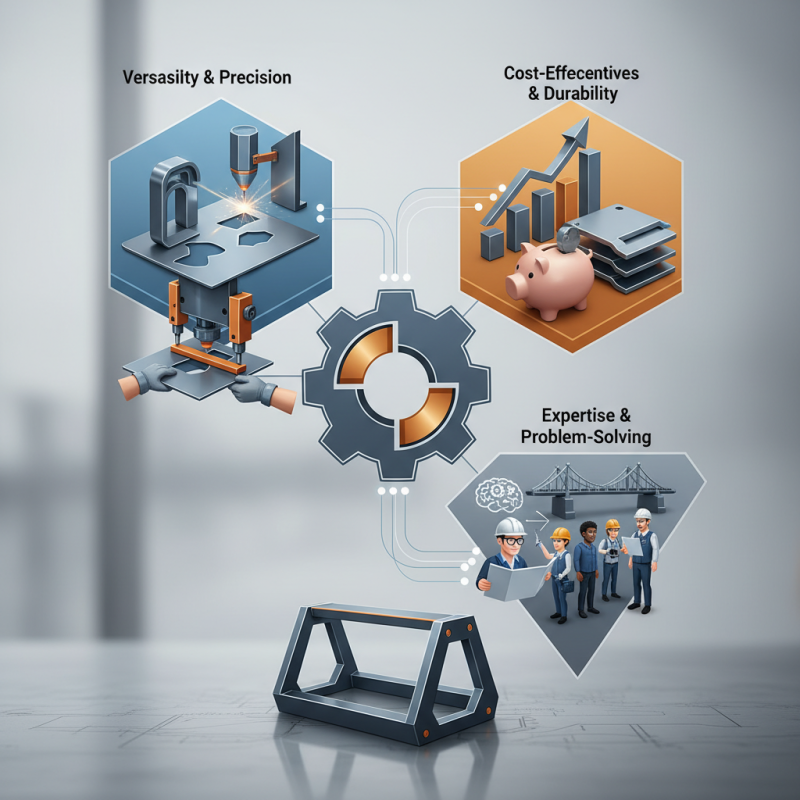
The versatility of Sheet Metal Fabrication shines in its ability to create complex shapes and designs. It allows for precise cuts and bends, ensuring accuracy. However, challenges such as material selection and design complexities must be thoughtfully addressed. Engaging with skilled fabricators can guide you through these hurdles, enhancing the overall quality of your project.

Another crucial aspect is cost-effectiveness. While initial expenses may seem high, the durability and efficiency of fabricated metal components can lead to long-term savings. Businesses often overlook this, leading to missed opportunities. Understanding the full potential of Sheet Metal Fabrication can ultimately transform your project's outcome, ensuring reliability and strength in the final product.
Why Choose Sheet Metal Fabrication for Your Next Project?

Understanding Sheet Metal Fabrication: An Overview of the Process

Sheet metal fabrication is a versatile process. It involves cutting, bending, and assembling metal sheets into various shapes. This method is widely used across industries. The process begins with selecting the right metal type, which often influences durability and application. Common materials include aluminum, stainless steel, and galvanized iron. Each has unique properties that dictate its use in different environments.

The fabrication process begins with design. Designers create CAD models to outline specifications. These digital plans serve as blueprints for production. Next, the cutting phase uses lasers or plasma tools, ensuring precision. Bending follows, often employing hydraulic presses. Finally, components are assembled, combining different parts into one cohesive unit.

However, achieving perfection in fabrication can be elusive. Small errors can affect the final product's integrity.

Quality control is critical but challenging. Regular inspections help identify defects early. Yet, human error can sometimes slip through the cracks. It’s essential to establish a robust feedback loop. This allows teams to learn from mistakes and enhance future projects. Understanding these aspects of sheet metal fabrication can lead to better outcomes. It highlights the importance of attention to detail throughout the process.

Key Advantages of Choosing Sheet Metal Fabrication for Projects

Sheet metal fabrication is gaining traction across various industries. Its benefits can significantly enhance production efficiency and design flexibility. According to industry reports, the global sheet metal fabrication market is expected to grow by over 7% annually, underscoring its increasing relevance. The material is lightweight yet strong, making it ideal for diverse applications, from automotive to aerospace.

Customizability stands out as a key advantage. Fabricators can produce complex shapes tailored to specific requirements. This adaptability leads to more innovative designs. The precision of CNC machining, commonly used in fabrication, allows for tight tolerances and high repeatability, reducing waste. A report by the Fabricators & Manufacturers Association emphasizes that effective use of sheet metal can cut production costs by up to 30%.

Tips: Always consider your project's end-use when selecting materials. While stainless steel offers great durability, it can be more expensive. Aluminum, though lightweight, may not provide the structural integrity needed for heavy-duty applications. Balancing cost and performance is crucial.

Another point for consideration involves post-fabrication processes. Surface treatments like powder coating can improve aesthetics and corrosion resistance, adding to long-term durability. However, these additional steps can extend lead times. A thorough project assessment can help clarify which treatments are necessary.

Applications of Sheet Metal Fabrication in Various Industries

Sheet metal fabrication is vital in numerous industries, showcasing its versatility. In the automotive sector, it shapes components like chassis and body panels. These parts require precision and durability, making metal fabrication a reliable choice. In the construction industry, sheet metal is often used for roofing and ductwork. Its lightweight nature and strength provide enhanced structural integrity.

Manufacturing also benefits significantly from sheet metal fabrication. Companies utilize it to create specialized tools and machinery. This custom approach ensures that each piece fits perfectly into the production line. The electronics industry relies on it as well, crafting protective cases for devices and intricate components for various applications.

When considering sheet metal fabrication, keep these tips in mind. First, engage with experienced fabricators. Their expertise will guide you through specific requirements, ensuring quality. Second, compare materials. Not every project needs heavy-duty metals. Lightweight options may work just as well and save costs. Lastly, allow room for adjustments. Early modifications can prevent costly alterations later on.

Selecting the Right Materials for Sheet Metal Fabrication

Selecting the right materials for sheet metal fabrication is crucial. The choice affects durability, weight, and cost. According to a report by the Fabricators & Manufacturers Association, about 35% of metal fabricators struggle with material selection. It's essential to understand the properties of different metals.

Aluminum is lightweight and resistant to corrosion, making it great for various applications. Meanwhile, stainless steel offers superior strength and is often used in harsh environments. However, its higher cost can be a barrier. For high-demand applications, copper can be effective due to its excellent conductivity, but it's typically more expensive and vulnerable to corrosion.

Choosing the wrong material can lead to project delays and increased costs. Many fabricators overlook the impact of heat treatment and alloy composition on material performance. These factors can cause unexpected failures under stress. Research shows that improper material choice can increase manufacturing costs by up to 20%. Making informed material decisions is key for any successful project.

Material Selection for Sheet Metal Fabrication

Factors to Consider When Choosing a Fabrication Partner

When selecting a sheet metal fabrication partner, several key factors are essential. Experience in the industry counts. A partner with a strong track record can better navigate challenges. They understand materials, methods, and technologies that produce high-quality outcomes. This experience translates into efficiency and reliability, ensuring your project's success.

Evaluate their expertise and service range. A versatile partner can handle various projects, from prototypes to large-scale production. Have they worked on similar projects? This connection reduces risk and enhances communication. Trust begins with clear expectations. Establishing these fosters a collaborative environment.

Tips: Look for certifications and reviews. They showcase credibility. Don't hesitate to ask for past work samples. These insights reveal their capabilities. Also, assess their customer support. Quick responses indicate commitment. Choosing the right partner involves reflection. Are they aligned with your values? Their approach to quality and safety should resonate with your standards.

FAQS

: What is sheet metal fabrication?

: Sheet metal fabrication involves cutting, bending, and assembling metal sheets into different shapes.

What materials are commonly used in this process?

Common materials include aluminum, stainless steel, and galvanized iron. Each has unique properties for various uses.

How does the sheet metal fabrication process begin?

The process starts with design, where CAD models are created to outline the specifications and guidelines.

What tools are used during the cutting phase?

Lasers or plasma tools ensure precision during the cutting phase, which is crucial for accurate results.

Why is quality control important in fabrication?

Quality control identifies defects early, but human error can still occur, requiring robust inspection methods.

What tips should one consider when planning a project?

Engage experienced fabricators, compare materials carefully, and allow adjustments early in the process.

How does sheet metal fabrication benefit the automotive industry?

It shapes vital components like chassis and body panels, ensuring precision and durability in vehicles.

What role does sheet metal play in construction?

It is used for roofing and ductwork, offering lightweight strength and enhancing structural integrity.

Can sheet metal fabrication be applied in the electronics industry?

Yes, it is used to create protective cases and intricate components for various electronic devices.

What challenges might arise in the fabrication process?

Achieving perfection can be difficult, and small errors may impact the integrity of the final product.

Conclusion

Sheet Metal Fabrication is a versatile manufacturing process that involves cutting, bending, and assembling metal sheets into desired forms. This process is favored for its high precision and efficiency, making it suitable for a wide range of industries, including automotive, aerospace, and construction. By selecting sheet metal fabrication for your next project, you can benefit from reduced material waste, increased durability, and the ability to create complex geometries.

Choosing the right materials is crucial in sheet metal fabrication to ensure optimal performance and cost-effectiveness. Additionally, selecting a reliable fabrication partner who understands your project requirements will contribute significantly to the overall success of your endeavor. With these factors in mind, sheet metal fabrication emerges as an excellent choice for those seeking quality and innovation in their manufacturing processes.


Charlotte

Charlotte

Charlotte is a seasoned marketing professional with a deep understanding of the company's portfolio and a passion for elevating its presence in the market. With a keen eye for detail and a commitment to excellence, she ensures that our professional blog is regularly updated with insightful articles......