How to Choose CNC Turning Services in 2026?

Time:2026-09-14 Author:Henry
0%

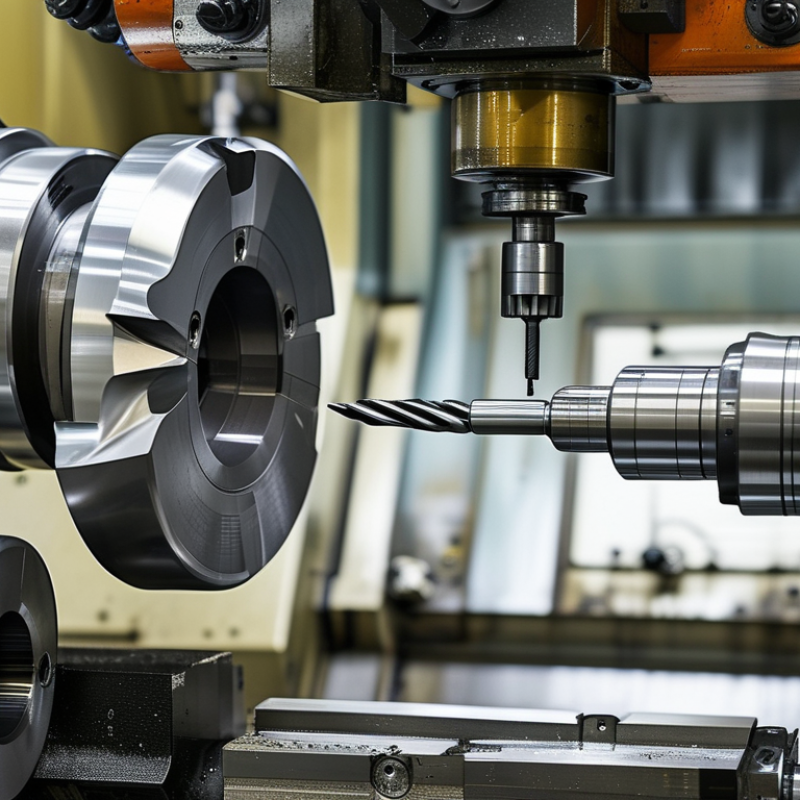
Choosing the right Cnc Turning service in 2026 requires more than comparing hourly prices. A reliable supplier must combine machine capability, process control, technical communication, and proven delivery performance. The best choice depends on your material, geometry, tolerance, volume, and production timeline.

Mikell P. Groover, a respected manufacturing engineering authority, states, “Manufacturing is the transformation of materials into items of greater value by means of one or more processing and/or assembly operations.” This principle applies directly to Cnc Turning. A capable provider should transform raw bar stock into accurate components, not merely remove material quickly. Ask for evidence of inspection methods, equipment maintenance, operator experience, and previous work with similar alloys.

Look closely at the details. Can the supplier hold your specified tolerances consistently? Does the workshop use calibrated CMMs, micrometers, and surface-finish gauges? Are tool offsets documented? What happens when a first article fails?

Small answers reveal large weaknesses.

In 2026, automation, live tooling, digital monitoring, and AI-assisted scheduling can improve productivity. Yet technology does not replace judgment. A modern machine may still produce poor parts when programming, fixturing, or quality checks are weak. I have seen impressive equipment lists hide limited process discipline. That possibility deserves attention.

Choose a partner that explains risks clearly, provides realistic quotations, protects design information, and supports repeat production. Certifications can strengthen trust, but they should not replace direct technical questions. Review samples, inspect communication speed, and request measurable quality records. The cheapest Cnc Turning quote may become expensive after rework, delays, or rejected components.
How to Choose CNC Turning Services in 2026?

Define Your CNC Turning Requirements

Before requesting CNC turning quotes, define part requirements in measurable terms. State material grade, raw-bar diameter, finished dimensions, and critical tolerances. Mention thread standards, chamfers, grooves, and required surface roughness. A vague phrase like “high precision” creates avoidable disputes. Use a current technical drawing. Include its revision number and measurement units.

Production needs matter just as much. Specify prototype quantity, annual volume, target delivery date, and packaging conditions. Explain whether parts need deburring, heat treatment, coating, or dimensional reports. Ask about chuck capacity, live tooling, bar feeding, and inspection equipment. These details show whether a workshop fits the job, not merely whether it owns turning machines. For repeat orders, request process-control records and sample approval procedures. Reliable suppliers should explain measurement methods clearly.

I have seen projects fail because a specified tolerance was tighter than the function required. That mistake increased machining time without improving performance. Check every tolerance against assembly fit and operating loads. Leave room for practical discussion. Some designs need revision. Provide accepted alternatives, such as a different radius or surface finish, if performance remains safe. Before release, confirm material certificates, first-article inspection, traceability, and communication responsibilities in writing. Small omissions become expensive when a 10-millimeter shaft reaches production with the wrong thread.

Compare Materials, Equipment, and Machining Capabilities

When choosing CNC turning services in 2026, compare the material plan before comparing hourly prices. Ask whether the shop regularly machines aluminum, stainless steel, brass, titanium, or engineering plastics. Each material changes tool wear, cutting speed, heat control, and surface finish. A capable supplier should explain those effects in plain language. Request material certificates and traceability for every production lot. Small details matter.

Study the equipment, not only the machine count. Live tooling can reduce secondary setups for drilled, milled, or cross-shaped features. Y-axis capability may improve access to complex parts. Bar capacity, spindle power, chuck size, and automatic loading affect throughput. Ask how the team measures runout, diameter, and surface roughness. Calibration records should be available, with inspection data linked to your parts. I have seen impressive sample parts hide weak process control. Photos are not proof.

Match capabilities to the drawing. Confirm maximum diameter, turning length, tolerance range, thread standards, and batch size. For tight tolerances, ask about temperature control and first-article inspection. For repeat orders, review process documentation, tool-life monitoring, and corrective-action records. A supplier may claim ±0.01 mm, but consistency across shifts matters more. Be honest about uncertainty in your design. An unfinished drawing can create expensive assumptions. Sometimes simpler geometry performs better, although engineers may resist changing it. Visit the facility when possible. Watch a setup, inspect the measurement area, and ask who approves nonconforming parts.

Assess Quality Control, Tolerances, and Industry Certifications

Choosing CNC turning services in 2026 requires more than comparing hourly prices. Inspect the quality system behind every finished part. The ISO Survey 2022 recorded more than 1.2 million ISO 9001 certificates worldwide. That figure shows strong adoption, but certification alone cannot prove machining capability. Ask for recent first article inspection reports, process-control charts, and calibration records. Confirm whether measurements follow ISO/IEC 17025 principles.

Tolerances must match the part’s function. A supplier claiming ±0.005 mm should explain its machines, tooling, temperature control, and inspection method. Request a sample report showing actual values, not only pass-or-fail statements.

Coordinate measuring machines, air gauges, and surface-finish testers can reveal different problems. Practical audits often expose a gap between advertised tolerance and repeatable production. That gap deserves attention.

Also check certificates carefully. ISO 9001 supports quality management, while AS9100 and IATF 16949 address stricter sector requirements. Verify the certificate scope, issuing body, and expiration date.

Tips: Send a fully dimensioned drawing and define critical features clearly. Ask how the shop controls tool wear during long runs. Require traceability from raw material to inspection records. A short pilot batch can test consistency before volume production. Do not ignore small deviations. They may become assembly failures later. My own review standard would include independent verification, although that adds cost. Cheap confidence is often the least reliable option.

Evaluate Pricing, Lead Times, Communication, and Support

Choosing CNC turning services in 2026 requires more than comparing hourly rates. Request an itemized quotation covering material, tooling, setup, inspection, finishing, packaging, and shipping. A low unit price may hide expensive programming or unclear tolerance assumptions. The U.S. Bureau of Labor Statistics reported a 3.3% annual rise in final-demand producer prices in December 2024. Material volatility still affects machining budgets.

Lead time deserves equal attention. Ask for a production schedule with approval, machining, inspection, and dispatch dates. The Institute for Supply Management recorded a supplier-deliveries index of 50.5 in December 2024, indicating slower delivery conditions. Do not accept “two weeks” without definitions. Is that two weeks after payment, drawing approval, or material arrival? One missing answer can damage an otherwise reliable project.

Communication is operational support, not courtesy. Check whether engineers review drawings before quoting and whether inspection reports include measured values. ISO 9001-based controls can help, but certification alone proves little. Ask for a sample report and an escalation contact. In my experience, fast replies sometimes conceal weak technical judgment. That assumption can fail. A capable service should explain tool access, chuck marks, burr control, and realistic tolerances in plain English. It should also report delays early, with revised dates and corrective actions. I would test this before placing a large order: send one detailed inquiry, note response time, and examine every question they ask.

Verify Supplier Experience, Capacity, and Long-Term Reliability

How to Choose CNC Turning Services in 2026?

A polished sample does not prove long-term capability. I once treated it as strong evidence. That was a mistake. Verify experience through comparable parts, materials, tolerances, and batch sizes. Ask for recent inspection records, process-control methods, and examples of corrective action. A supplier turning stainless steel occasionally may struggle with continuous production. Numbers matter.

Capacity requires more than a machine list. Check spindle size, turning diameter, live tooling, automation, inspection equipment, and actual available hours. Request a capacity plan for your forecast, including maintenance and peak-demand periods. The 2023 ISO Survey recorded 1,265,216 ISO 9001 certificates worldwide, but certification alone cannot confirm delivery performance. Review twelve months of on-time delivery data, rejection rates, and response times. Ask who covers production when a key machine fails. A backup plan should be visible.

Reliability also includes technical continuity. Confirm drawing-control procedures, revision tracking, operator training, and material traceability. The 2024 Smart Manufacturing Survey reported that 92% of manufacturers view smart manufacturing as a competitiveness driver. Yet digital tools do not replace disciplined communication. Schedule a technical call with the actual production team. Listen for precise answers. Vague promises deserve a second review. A small pilot order can expose hidden weaknesses before they affect a larger program.

How to Choose CNC Turning Services in 2026?

Use a weighted supplier scorecard to verify machining experience, production capacity, quality control, and long-term reliability before issuing a purchase order.

Recommended assessment model: prioritize quality consistency and delivery reliability, then verify relevant CNC turning experience, available capacity, and documented traceability. Adjust the weights to match your part complexity, tolerance requirements, and production volume.

FAQS

What information should a CNC turning quote request include?

Provide the material grade, raw-bar diameter, finished dimensions, and critical tolerances. Attach a current drawing with revision number and measurement units. Include threads, grooves, chamfers, and surface roughness. Vague wording causes disputes.

How can I prevent unnecessary machining costs?

Check every tolerance against assembly fit and operating loads. An extremely tight tolerance may increase machining time without improving performance. I once accepted that mistake. It was expensive. Consider practical alternatives, such as a larger radius or different finish.

What production details should I discuss before ordering?

State prototype quantity, annual volume, target delivery date, and packaging conditions. Mention deburring, heat treatment, coating, and dimensional reports. Ask about sample approval and process-control records for repeat orders. Small omissions can become costly.

How should I compare CNC turning prices?

Request an itemized quotation for material, tooling, setup, inspection, finishing, packaging, and shipping. A low unit price may hide programming or inspection costs. Confirm every tolerance assumption. Cheap is not always cheaper.

What should a realistic delivery schedule contain?

Request dates for drawing approval, material arrival, machining, inspection, and dispatch. Clarify when the quoted lead time begins. “Two weeks” needs a definition. Otherwise, planning becomes guesswork.

How can I evaluate communication quality before placing an order?

Send one detailed inquiry and observe the response. A capable team should ask technical questions before quoting. Request a sample inspection report with measured values. Fast replies can still hide weak judgment. I learned that late.

How do I verify a supplier’s actual production capacity?

Ask about spindle size, turning diameter, live tooling, automation, and inspection equipment. Request available machine hours during maintenance and peak-demand periods. Confirm who handles production if a key machine fails. A machine list proves little.

What evidence shows long-term supplier reliability?

Review comparable parts, materials, tolerances, and batch sizes. Request recent rejection rates, on-time delivery data, and corrective-action examples. Confirm revision tracking, operator training, and material traceability. A small pilot order may reveal hidden weaknesses.

Conclusion

Choosing the right Cnc Turning service in 2026 begins with clearly defining your project requirements, including part dimensions, tolerances, material, surface finish, production volume, and intended application. Compare potential suppliers based on their material options, machine types, automation level, tooling capabilities, and ability to handle both prototypes and larger production runs. A capable provider should also demonstrate reliable quality control, accurate inspection equipment, documented processes, and relevant industry certifications.

Beyond technical capability, evaluate total pricing, expected lead times, communication, and after-sales support rather than focusing only on the lowest quote. Confirm the supplier’s experience with similar components, available production capacity, maintenance practices, and ability to manage changing demand. Reviewing samples, inspection reports, customer feedback, and long-term reliability can help reduce manufacturing risks. The best Cnc Turning partner will combine consistent precision, transparent communication, dependable delivery, and scalable support throughout the full project lifecycle.

Henry

Henry

Henry is a dedicated marketing professional with a profound expertise in the company's offerings. With years of experience in the industry, he possesses an impressive understanding of the market dynamics and consumer behaviors that drive success. Henry is committed to sharing his insights through......