Why Choose CNC Machining for Your Global Manufacturing Needs?

Time:2026-05-28 Author:Ethan
0%

In today's competitive landscape, companies are increasingly relying on CNC machining for their manufacturing needs. According to a recent report by MarketsandMarkets, the CNC machining market is projected to reach USD 100 billion by 2026, showcasing its critical role in modern production. This automated technology offers higher precision and efficiency compared to traditional methods, with reports indicating an improvement in production speed by up to 75%.

CNC machining enhances design flexibility, allowing manufacturers to produce complex geometries that were previously difficult to achieve. This adaptability is essential as industries continue to evolve, demanding rapid changes in product design. However, relying on CNC machining alone can pose challenges, such as initial setup costs and the need for skilled operators to maximize its potential.

Additionally, companies must carefully consider their supply chain logistics when adopting CNC machining. While it streamlines manufacturing, global sourcing can introduce variables like shipping delays or tariffs. Therefore, a balanced approach that integrates CNC machining with other manufacturing processes may yield more reliable results in meeting global production requirements.
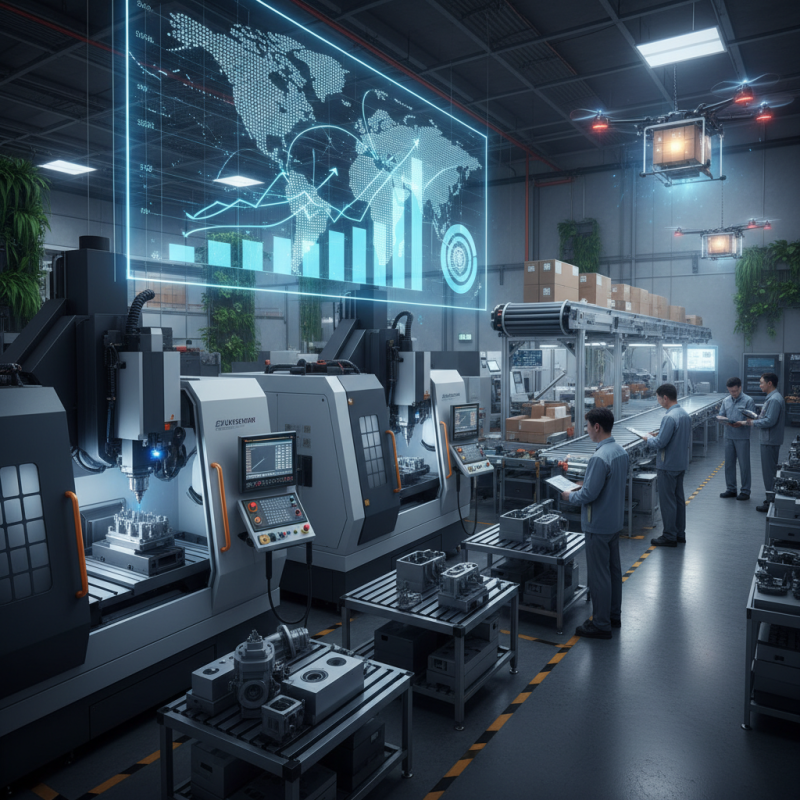
Why Choose CNC Machining for Your Global Manufacturing Needs?

Advantages of CNC Machining in Global Manufacturing

CNC machining has become a cornerstone in global manufacturing. Its precision and efficiency are unmatched. According to a recent industry report, CNC machining can improve production efficiency by up to 30%. This statistic highlights a substantial reduction in lead times. Quick turn-around is crucial in a fast-paced market, allowing companies to respond swiftly to demand changes.

Flexibility is another key advantage. CNC machines can handle various materials, from metals to plastics. This versatility enables manufacturers to produce complex parts without extensive retooling. A study found that nearly 90% of manufacturers noted improved design options thanks to CNC technology. However, the initial investment can be high. This requires careful financial planning to balance cost against potential long-term gains.

Moreover, consistency in quality remains significant. Advanced CNC processes minimize human error, ensuring that each part meets stringent specifications. However, issues like machine calibration and maintenance cannot be overlooked. Regular checks are essential to maintain performance. Not addressing these aspects can lead to longer downtimes and increased costs. This serves as a reminder that while CNC machining offers clear benefits, ongoing diligence is vital for optimal results.

Why Choose CNC Machining for Your Global Manufacturing Needs? - Advantages of CNC Machining in Global Manufacturing

Advantage Description Applications Materials
Precision CNC machining offers high precision and accuracy, enabling complex designs. Aerospace components, Medical devices Aluminum, Stainless Steel
Consistency CNC machines maintain consistent quality across multiple parts. Automotive parts, Electronics Plastic, Titanium
Efficiency Faster production times compared to traditional methods. Mass production, Prototyping Brass, Carbon Steel
Flexibility Ability to quickly adapt to design changes without extensive setup. Custom projects, Small batches Nylon, composites
Cost-Effectiveness Lower production costs for large volumes due to automated processes. Consumer products, Industrial machinery Copper, ceramic

Key Industries Benefiting from CNC Machining

CNC machining has transformed numerous industries by offering precision and efficiency in manufacturing. Aerospace, automotive, and medical sectors are leading the way in its adoption. For instance, the aerospace industry is expected to allocate about $27 billion to CNC machining by 2026, given its need for high precision components. The automotive sector follows closely, with a projected growth rate of 8% annually, emphasizing the production of lightweight and durable parts.

Tips: Embrace CNC technology for custom projects. It enhances design flexibility and speeds up production.

Medical manufacturing also greatly benefits from CNC machining. With the rising demand for specialized equipment, the industry is anticipated to grow at a rate of 10% per year. Precision in creating intricate device components is critical here, as even minor errors can have serious implications.

Investing in CNC machining is not just about the immediate benefits. Continuous improvement is necessary. Evaluate your production processes regularly. Adapt to changes in technology to maintain a competitive edge.

Comparative Analysis: CNC Machining vs. Traditional Manufacturing Methods

CNC machining offers unique advantages compared to traditional manufacturing. According to a 2022 report from the International Journal of Advanced Manufacturing Technology, CNC methods can improve production efficiency by 30%. This efficiency savings is crucial for globally distributed supply chains. CNC machining allows for rapid prototyping, which reduces time-to-market for new products.

In contrast, traditional machining processes often involve longer lead times and manual labor, which can introduce variability. As noted in a study by the National Institute of Standards and Technology, manufacturing errors in manual processes can exceed 5%, leading to increased costs and wasted materials. CNC machines, with their automated precision, minimize human error significantly.

However, there are challenges with CNC machining. Initial setup costs can be high, particularly for small batch runs. This raises concerns for smaller manufacturers or startups. In lieu of these costs, assessing the total return on investment is critical. It requires careful consideration of the long-term benefits and potential trade-offs between speed, accuracy, and expense.

The Role of CNC Machining in Enhancing Supply Chain Efficiency

CNC machining has transformed global manufacturing by increasing supply chain efficiency. This technology automates the production process, leading to faster turnaround times. Utilizing CNC machines can minimize human error, ensuring consistent quality across products. The precise control over machining helps in reducing waste and material costs.

Moreover, CNC machining allows for rapid prototyping. Companies can create prototypes quickly to test designs without significant delays. This agility helps businesses respond to market changes swiftly. It can also lead to improved customer satisfaction. However, reliance on technology can bring challenges. Such as potential equipment malfunctions or the need for skilled operators. This aspect requires ongoing training and investment.

The integration of CNC machining into supply chains enhances collaboration among stakeholders. With better communication and transparency, suppliers and manufacturers can synchronize processes more effectively. This level of coordination can lead to shorter lead times and improved delivery schedules. But it necessitates a commitment to continuous improvement and adaptation to changes in the industry.

Global Manufacturing Needs: The Impact of CNC Machining on Supply Chain Efficiency

This bar chart illustrates the perceived efficiency improvements in the supply chain based on the implementation of CNC machining across various industries. Data collected from industry reports shows significant benefits attributed to CNC machining technology.

Future Trends in CNC Machining and Global Manufacturing Strategies

The landscape of CNC machining is rapidly evolving. With advancements in technology, manufacturers can now produce components with higher precision and efficiency. This increase in capability supports the growing demand for customized solutions across various industries. Emerging technologies like artificial intelligence and machine learning are making CNC machines smarter. They can now predict failures and optimize production processes in real-time. This shift is not just a trend; it’s becoming a necessity for competitive manufacturing.

Sustainability is becoming a key factor in global manufacturing strategies. Companies are seeking methods to reduce waste and energy consumption. CNC machining, with its ability to minimize material waste through precise cutting, plays a significant role here. Future CNC systems may incorporate more eco-friendly materials and processes. The challenge remains in balancing innovation with sustainable practices. As industries evolve, so must the approach to manufacturing. It requires ongoing reflection and adaptation to meet both market needs and environmental responsibilities. The future of CNC machining holds promise, but it also demands careful consideration of its impacts.

FAQS

: What is the impact of CNC machining on supply chain efficiency?

: CNC machining automates production, resulting in faster turnaround times. It minimizes human error and ensures consistent product quality.

How does CNC machining assist in rapid prototyping?

Companies can quickly create prototypes for design testing. This helps them respond to market changes without significant delays.

What are some challenges associated with CNC machining?

Equipment malfunctions may occur. Skilled operators are necessary, requiring ongoing training and investment.

How does CNC machining improve collaboration among supply chain stakeholders?

Better communication facilitates synchronization between suppliers and manufacturers. This results in shorter lead times and improved delivery schedules.

What technological advancements are influencing CNC machining?

Artificial intelligence and machine learning enhance CNC machines. These technologies help predict failures and optimize production in real-time.

Why is sustainability important in global manufacturing?

Companies aim to reduce waste and energy consumption. CNC machining helps minimize material waste through precise cutting.

What is a potential downside to relying on CNC technology?

Overdependence on CNC can lead to challenges in equipment maintenance and skilled workforce shortages.

How must manufacturing adapt to industry changes?

Continuous reflection and adaptation are essential. Companies must balance innovation with sustainability in their practices.

What future trends should businesses in manufacturing consider?

Companies need to focus on eco-friendly materials and processes while continuing to improve efficiency.

What promises does the future of CNC machining hold?

Greater precision and efficiency, but careful consideration of environmental impacts is crucial.

Conclusion

CNC machining has emerged as a vital solution for global manufacturing needs due to its numerous advantages, including precision, efficiency, and flexibility. As industries ranging from aerospace to medical devices increasingly adopt CNC machining, they benefit from its ability to produce complex parts with high accuracy and repeatability. A comparative analysis reveals that CNC machining often surpasses traditional manufacturing methods in terms of speed and cost-effectiveness, especially for high-volume production.

Moreover, CNC machining plays a crucial role in enhancing supply chain efficiency by streamlining processes and reducing lead times. As we look to the future, trends indicate a growing integration of advanced technologies such as automation and IoT within CNC machining, further redefining global manufacturing strategies. This evolution positions CNC machining as an essential component in meeting the dynamic demands of various industries while driving innovation and competitiveness in the market.


Ethan

Ethan

Ethan is a seasoned marketing professional with a deep expertise in our company's innovative product line. With a passion for sharing knowledge and insights, he takes the lead in regularly updating our corporate blog, where he explores industry trends, product features, and effective marketing......