Top Tips for Efficient Sheet Bending Techniques?

Time:2026-06-01 Author:Henry
0%

Sheet Bending is a critical process in manufacturing. It shapes materials into desired forms, which can be challenging. Industry expert John Smith, a renowned engineer in metal fabrication, states, "Precision in Sheet Bending is key to achieving quality products." His experience highlights the importance of technique and accuracy.

Efficient Sheet Bending requires understanding various methods and tools. Knowing the right angles and parameters can save time. However, many still struggle with consistency. This can lead to wasted materials and increased costs. It is essential to equip yourself with the right knowledge and practices.

Moreover, mastering this technique can greatly enhance production efficiency. While there are many helpful tips, each situation can present unique challenges. Addressing these can be frustrating yet rewarding. Bending sheets is not just about machinery; it demands skill and awareness. The learning curve may be steep, but the results can be worthwhile.
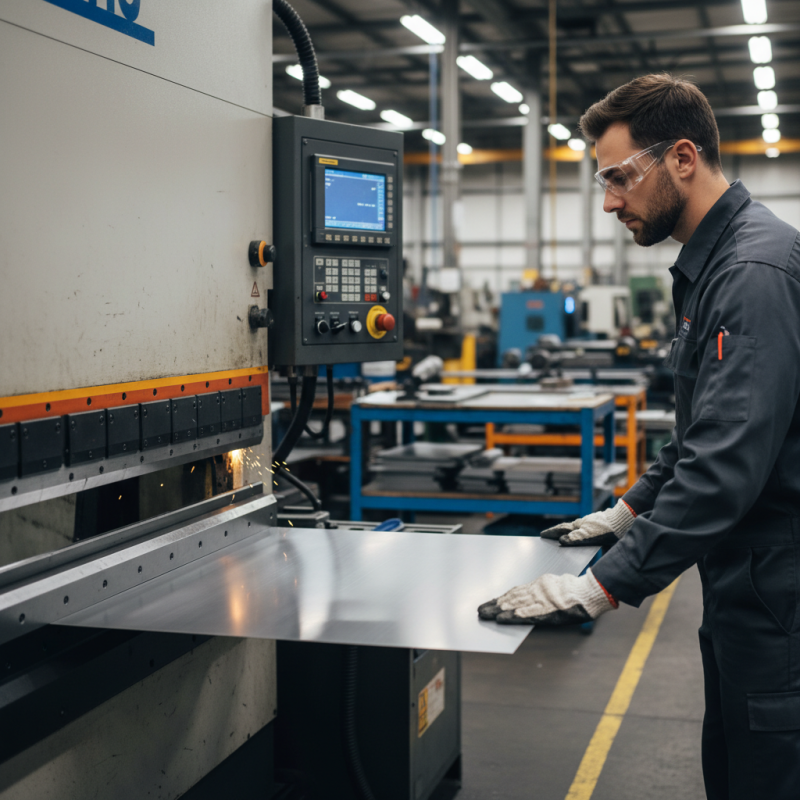
Top Tips for Efficient Sheet Bending Techniques?

Understanding Sheet Bending: Fundamentals and Techniques

Sheet bending is a fundamental technique used in various industries, from automotive to construction. Understanding its principles can significantly boost efficiency. The process involves applying controlled force to metal sheets, allowing them to bend into desired shapes. This requires a good grasp of material properties. Different metals react differently to bending, and knowing these traits is crucial.

Skilled operators often experience challenges. Inconsistent pressure can lead to cracks or failure in bending. It’s essential to monitor the thinness and composition of the material. Using appropriate tooling also impacts the outcome. The wrong die can ruin an otherwise good piece. Experimenting with angles and techniques can help refine skills, but be prepared for mistakes along the way.

Precision is vital in this process. Minor errors can accumulate, leading to significant deviations. It’s often beneficial to assess bending angles incrementally. Regular practice enhances proficiency, but overconfidence can lead to oversight. Learning from errors is part of the journey in mastering sheet bending. Step back and evaluate each project to improve future techniques.

Top Tips for Efficient Sheet Bending Techniques

Choosing the Right Material for Effective Sheet Bending

Choosing the right material for effective sheet bending is crucial. Different materials behave uniquely under stress. Common choices include aluminum, steel, and plastics. Each has advantages and drawbacks. For instance, aluminum is lightweight but may not withstand high stresses. Steel, while strong, can be heavy and prone to corrosion.

A key tip is to match the material with the bending method. For instance, if using a hydraulic press, choose a material that can handle the force without cracking. Experimentation may be necessary. Not every bend will be perfect on the first attempt. Some materials can deform unpredictably, leading to miscalculations.

Another tip involves considering thickness. Thicker sheets require more powerful equipment and often result in harsher bends. Worn-out tools can produce inconsistent results, leading to wasted time and materials. Always check your setup before starting to avoid these issues. Remember, the right material and preparation lead to better outcomes in sheet bending projects.

Essential Tools and Equipment for Sheet Bending Operations

When it comes to sheet bending operations, having the right tools and equipment is crucial. A heavy-duty press brake is often the centerpiece of a well-equipped workshop. It provides the necessary force to bend metal sheets accurately. Additionally, a reliable sheet metal gauge helps measure thickness, ensuring precision in the bending process.

Hand-held tools like bending forks and hammers are also essential. These tools allow for fine-tuning adjustments during bending. They can help achieve the correct angle, especially in intricate designs. However, it's important to note that improper use can lead to inaccuracies. Training and practice are key to mastering these tools.

Clamps and fixtures are vital for holding sheets securely in place. Without them, even the best tools can produce poor results. Moreover, considering the workspace layout can greatly influence efficiency. A cluttered environment can hinder productivity. Organization is not just about cleanliness; it’s about ensuring everything is within reach. Each tool should have a designated storage area, enhancing workflow.

Step-by-Step Guide to Precise Sheet Bending Processes

When undertaking sheet bending, precision is crucial. Ensuring accurate bends can reduce waste and improve product quality. The use of advanced machinery has increased efficiency in the industry. According to industry reports, companies experience up to a 30% reduction in material wastage with optimized bending techniques.

To begin, proper setup is essential. Operators should calibrate machines accurately to prevent discrepancies. Data from recent surveys reveal that 15% of bending errors stem from improper tool alignment. It's vital to select the right tooling for the sheet material as well. Not all materials bend uniformly, requiring distinct strategies for each type.

Next, focus on the bending processes. A slow, steady pace often yields better results. Rushing can lead to defects. Research shows that 25% of operators admit to prioritizing speed over quality, resulting in costly reworks. Investing time in learning proper techniques pays off. Mastering the art of sheet bending involves practice and attention to detail, which can improve long-term efficiency.

Common Challenges in Sheet Bending and How to Overcome Them

Sheet bending can present various challenges that can hinder the process and impact results. One common issue is material distortion. When the sheet is bent too quickly or with excessive force, the edges can deform. It’s important to control the bending speed and apply even pressure. Use a guide to help maintain consistent bending angles and prevent this problem.

Another frequent challenge is achieving precise angles. Inaccurate measurements can lead to misalignment. To overcome this, check the measuring tools and adjust them regularly. Marking reference points directly on the sheet can help maintain accuracy. Regular training for operators can also improve their skills and reduce errors in the bending process.

Ultimately, experience plays a vital role in mastering sheet bending. Operators might not foresee problems until it’s too late. Reflecting on previous projects can help identify weaknesses in technique. Encourage team discussions to share insights and solutions. Emphasizing continuous learning can lead to better efficiency and high-quality results.

Top Tips for Efficient Sheet Bending Techniques - Common Challenges and Solutions

Challenge Description Tip to Overcome
Material Cracking Cracks occurring during bending due to material stress. Use a slower bending speed and ensure proper material type for the process.
Inaccurate Bend Angles Bends do not match required specifications. Employ precise measurements and utilize digital angle indicators.
Surface Damage Marks or scratches from tooling during bending. Use protective coatings on tools and maintain tool cleanliness.
Poor Repetition Inconsistency when producing multiple parts. Implement a rigorous quality check and calibration of machines.
Uneven Bends Bending results in one side being higher or lower than the other. Ensure even pressure application and check die alignment.

FAQS

: What is sheet bending?

: Sheet bending is a technique to shape metal sheets. It uses controlled force to create desired shapes.

Why is understanding material properties important?

Different metals react uniquely to bending. Knowing these properties helps achieve better results.

What can cause cracks during bending?

Inconsistent pressure often leads to cracks. Monitoring material thinness is essential for preventing failures.

How do tools affect sheet bending outcomes?

Using the wrong die can ruin the bending process. Appropriate tooling is vital for success.

What role does precision play in sheet bending?

Precision is crucial; small errors can create significant deviations. Incremental assessment of angles is beneficial.

Why is regular practice important in bending operations?

Regular practice enhances skills over time. However, overconfidence can lead to mistakes that need reflection.

What tools are essential for effective sheet bending?

A press brake, sheet metal gauge, and hand-held tools are critical for accurate bending.

How do clamps and fixtures contribute to the bending process?

They hold sheets securely, preventing inaccuracies. Without them, even great tools may fail.

How does workspace organization impact bending efficiency?

A cluttered environment reduces productivity. Ensuring everything is organized boosts workflow significantly.

What should be considered to improve future bending projects?

Evaluate each project thoroughly. Learning from mistakes is essential for mastering sheet bending techniques.

Conclusion

Sheet Bending is a crucial process in metal fabrication that involves transforming flat sheets into desired shapes through various techniques. Understanding the fundamentals of sheet bending is essential for achieving efficient results, and selecting the right materials can significantly enhance the effectiveness of the bending operations. Furthermore, utilizing the appropriate tools and equipment is vital for ensuring precision and quality in the final product.

To execute accurate sheet bending, following a step-by-step guide can streamline the process, helping to avoid common pitfalls. Awareness of the typical challenges faced during sheet bending, along with strategies to overcome these obstacles, is important for both novice and experienced fabricators. By implementing these tips and best practices, one can achieve greater efficiency and effectiveness in sheet bending tasks, ultimately leading to better outcomes in metalwork projects.


Henry

Henry

Henry is a dedicated marketing professional with a profound expertise in the company's offerings. With years of experience in the industry, he possesses an impressive understanding of the market dynamics and consumer behaviors that drive success. Henry is committed to sharing his insights through......