2026 How to Choose the Best Desktop CNC Mill for Your Needs

Time:2026-06-25 Author:Isabella
0%

Choosing the right Desktop CNC Mill can be overwhelming. With numerous options available, understanding your specific needs is crucial. These machines offer precision and versatility, making them popular for various applications.

Consider your intended projects before selecting a model. Are you focusing on woodworking, metalworking, or prototyping? Each application demands different features. A reliable Desktop CNC Mill should serve your unique requirements effectively.

Many users overlook details like build quality or software compatibility. Don't ignore these elements; they significantly affect performance. Testing multiple models may reveal flaws that need addressing. This careful approach ensures you make a well-informed choice, tailored to your needs.
2026 How to Choose the Best Desktop CNC Mill for Your Needs

Understanding the Basics of Desktop CNC Mills

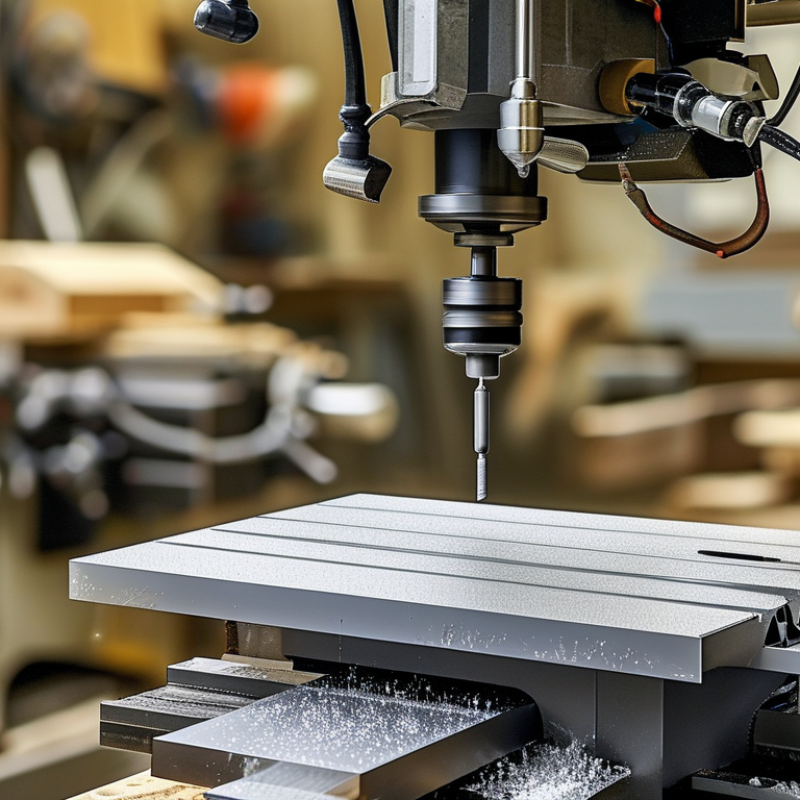
When considering a desktop CNC mill, it's essential to understand its core components. A CNC mill consists of several elements, including the spindle, control software, and the frame design. Each part has a significant impact on the machine's performance and your workflow. The spindle, for instance, determines the type of materials you can work with. A powerful spindle allows you to cut through metals, while a less robust option might be limited to softer materials like wood or plastics.

Another important aspect to consider is the machine's software. User-friendly software can streamline your design process and improve accuracy. But not all software is created equal. Some may have steep learning curves. If you're new to CNC milling, it might feel overwhelming at first. Don't get discouraged if you struggle at the beginning. Hands-on experience is vital for growth in this field.

The frame of the CNC mill also plays a crucial role. A sturdy aluminum or steel frame enhances stability and precision. If the frame vibrates during operation, it compromises quality. It's wise to compare different designs and read user reviews. Understanding these basics can help you make an informed decision that suits your needs and experience level.

Key Features to Consider When Choosing a CNC Mill

When choosing a desktop CNC mill, key features greatly influence your decision. First, consider the size and workspace. A compact model may suit small projects. Yet, larger projects demand more workspace. Ensure the mill fits your specific needs. Take into account the materials you plan to work with. Different mills handle various materials differently, whether it’s wood, plastic, or metal.

Another essential feature is spindle speed. A higher spindle speed allows for smoother cuts and can enhance detail. Check the torque as well; it plays a crucial role in performance. Additionally, pay attention to software compatibility. Efficient software leads to better control and precision. Some mills require complex programming, while others are user-friendly for beginners. Think about your comfort level with technology.

Finally, reliability matters. Reading user reviews can provide insights into the mill's long-term performance. Some users might report issues over time, which is crucial for making an informed decision. A mill with consistent feedback for reliability is a safe bet. Don't overlook warranty options either. A solid warranty indicates the manufacturer's confidence in their product and can save you trouble down the road.

2026 How to Choose the Best Desktop CNC Mill for Your Needs - Key Features to Consider When Choosing a CNC Mill

Feature Description Importance Level Price Range
Build Volume Size of the workspace available for machining High $500 - $3000
Spindle Speed Maximum speed of the spindle, affecting cutting speed and material compatibility High $1000 - $2000
Precision Accuracy of the milling process, expressed in mm Very High $1500 - $5000
Control Software Software used to operate the mill, can affect ease of use and functionality Medium $200 - $1000
Material Compatibility Types of materials the CNC mill can effectively machine High $500 - $3000

Assessing Your Specific Needs and Projects

When choosing a desktop CNC mill, assessing your specific needs is crucial. Are you focused on metal, wood, or plastic projects? Each material has unique requirements. A machine capable of handling various materials might be ideal if you work on diverse projects. Identify the materials you will predominantly use before making a decision.

Consider the size of your projects. Smaller machines may be easier to manage and fit in tighter spaces, but they can limit creativity. Larger mills offer more versatility but can be challenging to accommodate. Reflect on your workspace and the importance of portability versus stability. It’s common to underestimate space needs, so measure carefully.

Power and speed are important factors too. A machine that operates too slowly can hinder productivity, especially in professional settings. Conversely, excessive power might lead to unnecessary wear and tear. Seek a balance that suits the complexity of your projects. Sometimes, it's about finding what works best for you rather than choosing the most powerful option. Evaluate your requirements thoughtfully to maximize your investment.

Comparing Different Types of Desktop CNC Mills

When selecting a desktop CNC mill, it’s crucial to compare different types. Each type has its unique features. A fundamental choice is between hobbyist models and professional-grade machines. Hobbyist models are typically more affordable but may lack precision. If precise machining is necessary, consider professional options, despite their higher cost.

Another distinction is in the materials they can handle. Some mills are designed for soft materials like wood or plastic, whereas others can tackle metals. Assess your projects before making a choice. Moreover, look at the build quality. Cheaper models might have flimsy components that cause issues over time.

Ease of use is also an important factor. Some mills come with user-friendly software, while others require in-depth programming knowledge. A complicated interface can deter beginners. Lastly, consider ongoing support. Access to tutorials and customer service can significantly enhance your experience as you learn to operate your new mill. Be aware of potential limitations of each model, and reflect on what features align with your needs.

Budgeting for Your CNC Mill Purchase and Maintenance

When budgeting for a CNC mill, consider not just the initial purchase price but also maintenance costs. CNC mills require regular upkeep to function optimally. This can include replacing worn parts and software updates. Allocate a portion of your budget for these ongoing expenses.

Ensure you understand the total costs involved. Factor in training for yourself or staff, if needed. While it may seem like a minor detail, a skilled operator can significantly enhance efficiency. Think about the tools and materials you'll need. They can impact your overall expenditure.

Don’t overlook the cost of downtime. If your mill requires repairs, production may halt. This can lead to lost revenue. Reflect on how much you can afford to delay projects. Balancing purchase costs and maintenance needs can be challenging. Misjudging these can lead to budget overruns.

Comparison of CNC Mill Costs and Maintenance Over 5 Years

FAQS

: What are the core components of a desktop CNC mill?

: A desktop CNC mill includes the spindle, control software, and frame design. Each impacts performance and workflow.

How important is the spindle in a CNC mill?

The spindle determines the materials you can cut. A powerful spindle handles metals, while a weaker one suits softer materials.

What should I consider about the software for CNC milling?

User-friendly software improves accuracy but may have steep learning curves. Beginners might feel overwhelmed at first.

Why is the frame design critical for a CNC mill?

A sturdy frame enhances stability and precision. Vibration during operation can affect the quality of your work.

How should I budget for a CNC mill?

Budgeting requires considering the initial purchase price and ongoing maintenance costs. Allocate funds for updates and parts replacement.

What ongoing costs should I include in my CNC mill budget?

Include training costs, tool expenses, and potential downtime losses. These can impact your overall budget significantly.

Why is operator skill important for CNC milling?

A skilled operator can enhance efficiency. Investing in training may seem minor but can lead to better performance.

What happens if my CNC mill requires repairs?

Repairs can lead to downtime, which may halt production and cause lost revenue. Reflect on your project deadlines.

What can go wrong if I misjudge my CNC mill budget?

Misjudging costs can lead to budget overruns. It's crucial to balance purchase and maintenance needs carefully.

How can hands-on experience help with CNC milling?

Gaining hands-on experience is vital for growth. Don't be discouraged by early difficulties; practice improves skill over time.

Conclusion

When selecting the best desktop CNC mill for your needs, it's essential to understand the basics of these machines, including their operational principles and capabilities. Key features such as spindle power, cutting area, software compatibility, and ease of use play a significant role in determining which model is best suited for your projects.

Assessing your specific needs is crucial, as considerations like the types of materials you plan to work with and the complexity of your projects can influence your choice. There are various types of desktop CNC mills available, each with unique advantages and applications. Lastly, it's important to budget not only for the purchase of the CNC mill but also for ongoing maintenance to ensure optimal performance and longevity.


Isabella

Isabella

Isabella is a dedicated marketing professional with a sharp focus on driving brand growth and engagement through strategic content creation. With an extensive background in digital marketing, she combines her passion for storytelling with her keen understanding of industry trends to deliver......