Injection moulding is a pivotal manufacturing process that can significantly enhance your business outcomes. Renowned expert, Dr. Emma Harrison, states, “The efficiency of injection moulding can transform production lines.” This method involves injecting molten material into a mould to create precise parts. It is widely used in various industries, from automotive to consumer goods.
The benefits of injection moulding are vast. It allows for high-volume production with consistent quality. Manufacturers can produce intricate designs with minimal waste. However, challenges do exist. Initial setup costs can be high, and the process requires skilled technicians. A miscalculation in design can lead to costly revisions.
Despite these challenges, many companies find that the long-term efficiency justifies the initial investment. Embracing injection moulding can set a business apart in a competitive market. As industries evolve, the importance of this technology only continues to grow. Each step in the process must be carefully considered to maximize success.
What is Injection Moulding and Its Basic Process Explained
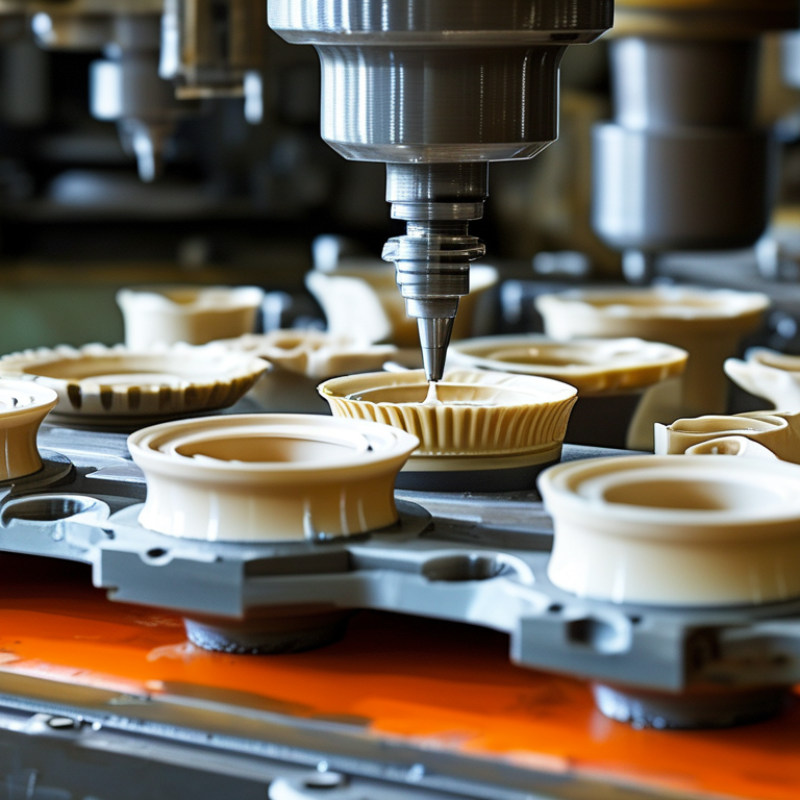
Injection moulding is a manufacturing process that creates parts by injecting molten material into a mould. This method is widely used due to its efficiency and precision. The process begins with the melting of plastic granules, which are then injected into a mould. Once the material cools and solidifies, the mould opens, and the finished product is ejected. This technique allows for the replication of complex shapes with consistent quality.
Many businesses benefit from injection moulding because it can produce large volumes of parts quickly. For example, automotive companies use injection moulding for components like dashboards and casings. This method reduces material waste and allows for the use of recycled plastics, making it an eco-friendly option. However, it is important to consider the initial costs of creating moulds. Quality moulds can be expensive and might not be cost-effective for smaller production runs.
Furthermore, not all designs are suitable for injection moulding. Complex features may require additional considerations, such as draft angles and parting lines. Engineers must collaborate closely to ensure designs are feasible for the moulding process. This collaboration can highlight potential flaws early, reducing costly errors later. Balancing design ambition with practical manufacturing constraints is a challenge that requires expertise and foresight.
Key Components and Machinery Used in Injection Moulding
Injection moulding is an efficient manufacturing process that utilizes specific machinery and components. The core machinery includes an injection unit, a clamping unit, and a temperature control system. The injection unit melts plastic pellets, injecting the material into a mould under high pressure. The clamping unit holds the mould closed during this process, ensuring precise shaping.
Moulds are often made from steel or aluminum. These materials provide durability and can withstand repeated use. Complicated mould designs can be cost-intensive and time-consuming to create. However, they play a crucial role in achieving high-quality products.
Temperature control is vital. It affects the melted plastic's viscosity, impacting the final product's quality. Maintaining consistent temperatures ensures uniformity in each injection. Companies sometimes overlook this aspect. Inadequate control can lead to defects, costing money and time. Proper machinery selection can directly influence production efficiency. Understanding these components helps businesses make informed decisions, ultimately enhancing production capabilities.
Benefits of Injection Moulding for Manufacturing Businesses
Injection moulding is revolutionizing the manufacturing industry. This process offers numerous advantages that can significantly enhance production efficiency and product quality. According to a report from the Society of the Plastics Industry, the injection moulding process accounts for over 30% of all plastics production in North America. This impressive statistic underscores its importance in modern manufacturing.
One of the key benefits of injection moulding is its ability to produce complex shapes with high precision. It enables businesses to create consistent and intricate designs that would be challenging to achieve with other methods. The lead time for production is also reduced, with cycles as short as 15 seconds reported in some applications. Despite these benefits, some manufacturers still hesitate to adopt this technology, fearing the initial investment costs. However, studies show that the efficiency gains often outweigh these initial expenditures, leading to reduced per-unit costs over time.
Moreover, injection moulding reduces material waste. The process can achieve up to 90% material utilization, which is beneficial for both the environment and the bottom line. Though the technology is highly efficient, it is crucial for businesses to continually assess quality control measures for optimal results. There’s always room for improvement in production techniques to ensure sustainability and cost-effectiveness.
Benefits of Injection Moulding for Manufacturing Businesses
Common Applications and Industries Utilizing Injection Moulding
Injection moulding is widely used in many industries due to its efficiency and versatility. It plays a crucial role in producing everyday items. Common applications include automotive parts, consumer goods, and medical devices. The ability to produce complex shapes with high precision is significant for manufacturers.
In the automotive sector, injection moulding creates components such as dashboards and panels. These parts require durability and accuracy, making injection moulding an ideal choice. The method reduces waste by using only the necessary material. However, companies must ensure proper maintenance of machines to avoid defects.
For consumer products, injection moulding delivers items like kitchenware and toys. High-volume production is achievable, but design flaws can lead to costly recalls. Focus on designing for manufacturability can mitigate these issues. Staying updated on material advancements can enhance product quality and adaptability.
In the medical industry, precision is paramount. Injection moulding produces components for devices, syringes, and testing kits. Understanding the specific regulations is essential to ensure compliance. Reflections on past projects often reveal areas for improvement. Continuous evaluation of production processes can drive innovation and sustainability.
What is Injection Moulding and How Can It Benefit Your Business?
| Application |
Industry |
Material Used |
Benefits |
| Automotive Parts |
Automotive |
Polypropylene |
High precision, lightweight, cost-effective |
| Medical Devices |
Healthcare |
Polycarbonate |
Sterility, durability, custom shapes |
| Consumer Goods |
Retail |
ABS Plastic |
Versatile designs, rapid production, low costs |
| Electronics Housings |
Electronics |
Polyethylene |
Electrical insulation, lightweight, customizable |
| Packaging |
Food and Beverage |
PET |
Recyclability, efficiency, cost savings |
Factors to Consider When Choosing Injection Moulding for Production
Choosing injection moulding for your production requires careful consideration of several factors. One crucial aspect is the material selection. Different plastics and composites offer various properties, such as strength, flexibility, and resistance to heat. Assessing the specific requirements for your product will guide you in choosing the right material. Don't overlook how the raw materials might impact production costs.
Another key factor is the design of your mould. A well-thought-out design can streamline the manufacturing process. Complex designs may incur higher costs and longer lead times. Producing parts with intricate details can present challenges. It's essential to balance aesthetics and functionality while ensuring manufacturability.
Cost efficiency is also vital. While injection moulding can be more expensive initially, it often leads to lower production costs for high volumes. It’s important to conduct a thorough cost analysis to ensure it aligns with your budget and production goals. Reflect on whether the long-term benefits are worth the upfront investment. Always monitor potential pitfalls, like tooling very specific to a single application, which can limit flexibility in future projects.
Conclusion
Injection Moulding is a manufacturing process widely used to produce a variety of plastic parts by injecting molten material into a mold. The basic process involves heating plastic until it becomes liquid, injecting it into a pre-designed mold, and allowing it to cool and harden into the desired shape. Key components involved include the injection unit, mold, and clamping unit, all of which play a crucial role in ensuring precision and efficiency during production.
The benefits of Injection Moulding for manufacturing businesses are significant, including high efficiency, reduced waste, and the ability to create complex geometries with high repeatability. This method is commonly utilized across various industries, such as automotive, consumer goods, and medical devices. When considering Injection Moulding for production, businesses should evaluate factors such as production volume, material requirements, and mold design to ensure optimal results.

 Hongrui Model