Plastic Injection Molding is a critical process in manufacturing, shaping everything from consumer goods to automotive parts. Renowned expert and engineer Dr. Emily Carter notes, "The success of a project hinges on how well you understand the injection molding process." Understanding this process can significantly impact the outcome of your project.
Plastic Injection Molding involves precision and expertise, yet many overlook key elements. Common mistakes can lead to increased costs and delays. Proper planning and knowledge are essential. Focusing on material selection, mold design, and machine settings can make a difference.
Over time, the industry has learned valuable lessons. Projects that fail often reflect a lack of attention to detail. Rushing the initial stages can compromise quality. By pausing to analyze each step, manufacturers can improve outcomes and achieve their goals. Investing time in understanding Plastic Injection Molding will yield long-term benefits.
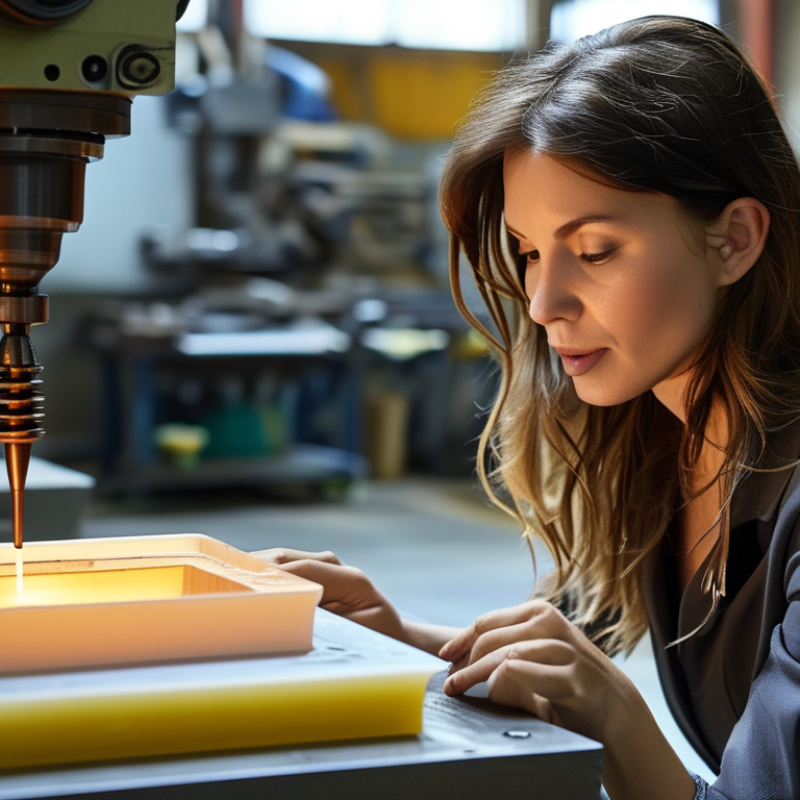
Plastic injection molding is a widely used manufacturing process. This technique creates various plastic products by injecting molten plastic into molds. Understanding the fundamentals is crucial for achieving successful results.
One essential tip for any project is to carefully choose materials. Different plastics have unique properties. Selecting the right one impacts durability and finish. Consider factors like temperature resistance and flexibility.
Another important aspect is mold design. A well-structured mold ensures uniformity. It reduces the likelihood of defects. Pay attention to details like venting and cooling channels. These features enhance the molding process.
Finally, monitoring the injection parameters is critical. Adjusting pressure and speed can prevent defects. It’s vital to track these settings consistently. Production efficiency relies on maintaining control throughout the process.
Selecting the right materials is crucial for successful plastic injection molding projects. The choice of material can significantly affect the durability and functionality of the final product. Factors such as strength, temperature resistance, and ease of processing should guide your decisions. For example, engineering plastics like ABS or polycarbonate are often preferred for their impact resistance. They suit complex applications where strength is necessary.
However, it’s essential to consider potential drawbacks. Some materials can be more expensive or challenging to mold. Research and testing can help identify the optimal material for your specific needs. Engaging with suppliers for samples can also offer insights into performance and processing characteristics. Be prepared for trial and error, as not every selected material will yield perfect results on the first attempt.
Keep in mind environmental impact when choosing materials. Sustainable options are increasingly relevant in the industry. Check for recycled content and recyclability of your chosen materials. Balancing performance with eco-friendliness can be a complex challenge. It’s an area for continuous improvement and innovation in the field of injection molding.
Design considerations are crucial for achieving optimal mold performance in plastic injection molding. A well-structured mold design can reduce cycle times by up to 30%, improving overall efficiency. According to recent industry reports, approximately 70% of molding defects stem from poor design choices. Focusing on wall thickness uniformity can significantly mitigate such issues. Irregular thickness can lead to warpage and uneven cooling, disrupting the quality of the final part.
Incorporating draft angles is another key factor. A draft angle of at least 3 degrees aids in easy part ejection. Yet, many designers overlook this aspect, making removal challenging. This oversight not only slows production but can also damage the mold. It is essential to understand that each design decision impacts durability. Utilizing materials with higher thermal conductivity can enhance cooling performance, ensuring molded parts meet tight tolerances.
However, achieving perfect design is challenging. Many projects face delays due to underestimated design complexities. Close collaboration with engineers during the design phase helps identify potential pitfalls. For example, complex geometries often require advanced simulation tools. These simulations can predict flow behavior, allowing for data-driven adjustments. Designers must embrace iterative refinement to create efficient molds that deliver exceptional results.
| Tip | Description | Design Consideration | Impact on Mold Performance |
|---|---|---|---|
| 1. Material Selection | Choose the right plastic material based on its properties. | Consider thermal stability and shrinkage rates. | Improves mold life and product quality. |
| 2. Mold Design | Design molds to minimize injection pressure and avoid defects. | Focus on gate location and cooling channels. | Enhances flow characteristics and reduces cycle times. |
| 3. Process Optimization | Adjust injection speed and temperature for best flow. | Regularly test and tweak machine settings. | Produces consistent parts and reduces waste. |
| 4. Quality Control | Implement rigorous quality checks during production. | Define acceptable tolerances and criteria for defects. | Ensures product meets specifications and reduces returns. |
| 5. Collaborate with Experts | Work with design and manufacturing experts for guidance. | Utilize their experience for complex projects. | Leverage knowledge to avoid common pitfalls. |
Effective project planning is crucial in plastic injection molding. A recent industry report indicated that 70% of injection molding projects suffer from delays due to inadequate planning. Establishing a clear timeline is essential. Allocate time for design, prototyping, and testing phases. This foresight can reduce errors and improve overall efficiency.
Collaboration among teams cannot be overstated. Regular meetings help in addressing issues early. Communication among design, engineering, and production teams ensures everyone is aligned. Another report highlighted that companies with integrated teams experience 30% fewer project overruns. However, miscommunication can lead to significant setbacks. Documenting discussions and decisions helps mitigate risks, yet this is often neglected.
Data-driven decision-making plays a pivotal role in planning. Analyzing previous projects can provide insights into potential pitfalls. Industry experts suggest using metrics for evaluating success, such as cycle times and defect rates. These parameters help in establishing realistic timelines. Nevertheless, a rigid timeline can lead to compromises in quality, prompting a need for flexibility. Adjusting timelines based on ongoing evaluations can enhance project outcomes.
Quality control is vital in the injection molding process. According to industry reports, up to 30% of molding defects stem from inadequate quality control measures. Implementing a robust quality control system can significantly reduce waste and improve product quality.
One effective tip is to conduct regular inspections. Inspect molds before production starts. Use non-destructive testing methods to identify hidden flaws in the tooling. These inspections can catch issues early, saving time and costs. Regular monitoring of material properties is another crucial aspect. Understanding the thermal and mechanical characteristics of resin can prevent unexpected defects during molding.
Another practical step is to establish standardized procedures. Create detailed documentation for every stage of the process. This can enhance consistency and minimize human error. Training your team on these standardized practices is essential. Reports show that companies with trained personnel see a 20% reduction in defects.
Maintaining open communication with suppliers can also help in quality assurance. Ensure that material specifications are met before any production begins. Developing strong relationships with suppliers leads to better quality materials. Quality control is a continuous journey, requiring constant reflection and improvement. Regular assessment of practices ensures the highest standards in injection molding projects.
: It is a manufacturing process that injects molten plastic into molds to create various products.
The right material affects durability, functionality, and overall finish of the final product.
Consider strength, temperature resistance, ease of processing, and cost.
A well-structured mold ensures uniformity and reduces the chance of defects.
They affect production efficiency. Monitoring pressure and speed can help avoid defects.
Establish a clear timeline and allocate time for design, prototyping, and testing phases.
It helps address issues early and ensures alignment among design, engineering, and production teams.
Analyzing previous successes and failures can provide insights into avoiding potential pitfalls.
Look for sustainable materials, recycled content, and overall recyclability.
Yes, flexibility can improve outcomes, but be cautious about compromising quality.
Plastic Injection Molding is a complex process that requires a comprehensive understanding of various elements to ensure successful outcomes. The first step involves grasping the fundamentals of this manufacturing technique, which includes the selection of appropriate materials tailored to specific project needs. Material selection plays a crucial role in determining the final product's performance and durability.
Moreover, design considerations are essential for optimizing mold performance, ensuring that the design facilitates efficient filling and cooling. Effective project planning and realistic timelines are also critical to maintaining efficiency throughout the process. Finally, implementing quality control measures at every stage can significantly enhance product reliability and reduce defects. By focusing on these key areas, you can navigate the intricacies of Plastic Injection Molding and achieve successful project results.

Hongrui Model