The sheet metal fabrication industry plays a crucial role in various sectors, including automotive, aerospace, and electronics. In recent years, China's sheet metal fabrication market has grown significantly. According to industry reports, the market is expected to reach $200 billion by 2025, highlighting its importance in global manufacturing.
China's reputation for high-quality sheet metal fabrication is well-established. Famous for cost-effective solutions and technological advancements, Chinese companies attract firms worldwide. However, sourcing the right manufacturer can be challenging. Companies need reliable partners with proven expertise. Not every business meets rigorous standards.
When exploring potential partners, businesses should consider factors such as manufacturing capabilities, material quality, and technological innovation. Conducting thorough research can help identify the top players in the market. There are notable companies excelling in this space, but not all uphold the same level of quality. Reflecting on these nuances is essential for making informed sourcing decisions in the dynamic landscape of sheet metal fabrication.
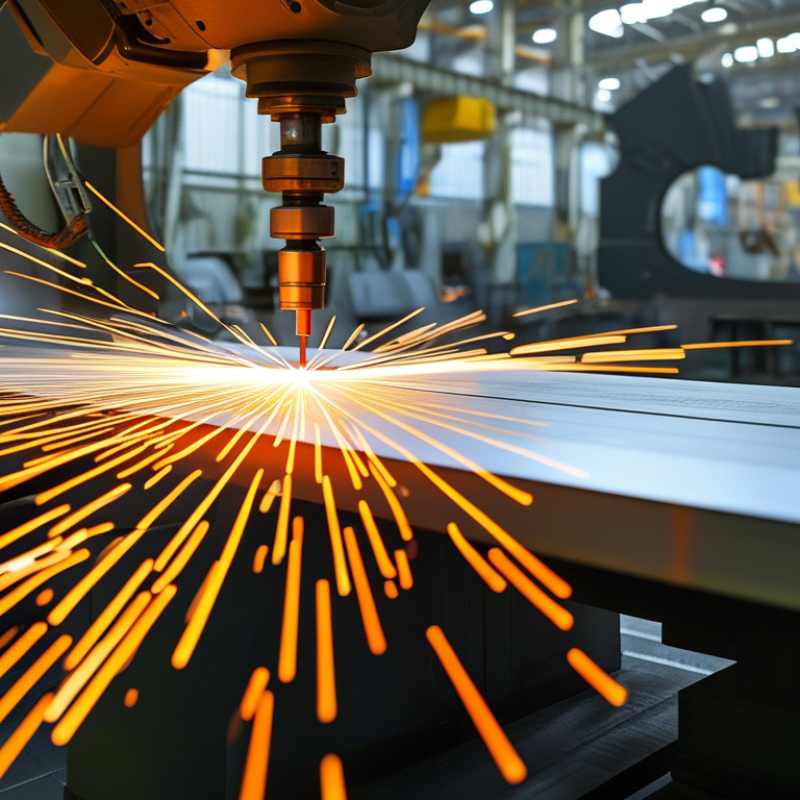
Sheet metal fabrication in China is a growing industry. The country is known for its advanced manufacturing technologies. Factories often employ CNC machines, laser cutting, and welding techniques. These technologies enhance precision and efficiency. Many companies are equipped to handle large-scale production runs. Yet, they also provide custom solutions for specific needs.
Quality control is vital in this industry. While many suppliers offer competitive pricing, the quality can vary significantly. Choosing the right partner requires careful research. Look for companies with solid reputations and certifications. Some manufacturers might lack transparency in their processes. It's essential to verify their capabilities before engaging in contracts.
Communication can pose challenges, especially with international clients. Language barriers and time zone differences may affect collaboration. Some companies may need to improve their customer service skills. It’s crucial to establish clear channels for feedback. This ensures that all specifications are met accurately. The value of building a reliable relationship cannot be overstated.
| Company Location | Year Established | Number of Employees | Annual Revenue (in USD) | Core Services |
|---|---|---|---|---|
| Shenzhen | 2005 | 150 | 5,000,000 | Laser Cutting, CNC Machining |
| Dongguan | 2010 | 200 | 10,000,000 | Metal Stamping, Welding |
| Shanghai | 2000 | 300 | 15,000,000 | Sheet Metal Fabrication, Finishing |
| Guangzhou | 2015 | 120 | 3,000,000 | Assembly, Coating |
| Wuxi | 2012 | 180 | 7,500,000 | Prototype Development, CNC Punching |
| Hangzhou | 2008 | 250 | 9,000,000 | Custom Sheet Metal, Fabrication Services |
| Ningbo | 2011 | 90 | 2,500,000 | Welding, Bending |
| Suzhou | 2009 | 200 | 4,200,000 | Laser Cutting, Surface Treatment |
| Tianjin | 2006 | 300 | 8,000,000 | Stamping, Machining |
| Chengdu | 2014 | 130 | 3,800,000 | Cutting, Bending |
: It is a growing industry that employs advanced manufacturing technologies, focusing on precision and efficiency.
Quality control is vital. Some suppliers offer low prices, but product quality can vary significantly.
Research companies’ reputations and certifications. Verify their capabilities to avoid future issues.
Language barriers and time zone differences can affect collaboration and service quality.
Experienced companies tend to have perfected processes, resulting in lower defect rates and better products.
Proficiency in CAD software and CNC machinery enhances innovation and efficiency in production.
Look at delivery timelines and customer feedback to gauge dependability and avoid unmet deadlines.
Inferior materials can lead to product issues later. Transparency in sourcing is essential.
Fluctuating raw material prices and supply chain disruptions can impact costs and timelines.
Good communication and responsiveness are critical for meeting project specifications accurately.
The article explores the landscape of sheet metal fabrication in China, highlighting the significant role this industry plays in various sectors. It begins with an overview of the current state of sheet metal fabrication, emphasizing the country’s capacity and advanced techniques. The criteria for selecting top fabrication companies are discussed, focusing on factors such as quality, technology, and reliability.
Furthermore, the piece delves into leading companies within the sector, showcasing their innovative technologies that enhance efficiency and precision in production. It concludes by analyzing industry trends and the future outlook of sheet metal fabrication in China, indicating a shift toward automation and sustainability as key drivers for growth and competitiveness in the global market. This comprehensive examination serves as a valuable resource for businesses looking to source sheet metal fabrication services in China.

 Hongrui Model