2026 Top Rapid CNC Machining Techniques for Global Buyers?

Time:2026-06-19 Author:Liam
0%

The landscape of manufacturing is transforming rapidly, especially with the rise of Rapid CNC Machining. This technique enhances production speed and accuracy, crucial for global buyers. According to a recent report by MarketsandMarkets, the CNC machining market is expected to reach $100 billion by 2026, showcasing the growing demand for precision engineering.

Expert David Chen, a leader in the field, states, "Rapid CNC Machining offers unparalleled flexibility and efficiency." His insight emphasizes the industry’s shift toward faster turnaround times. As global competition increases, buyers favor suppliers who can adopt these advanced CNC techniques. However, challenges remain. Not every company can implement these technologies seamlessly.

Many firms face obstacles such as high initial costs and the need for skilled personnel. Thus, while Rapid CNC Machining presents exciting opportunities, it also requires careful consideration and implementation. The evolving nature of this industry means buyers must assess both benefits and drawbacks when integrating Rapid CNC Machining into their operations.
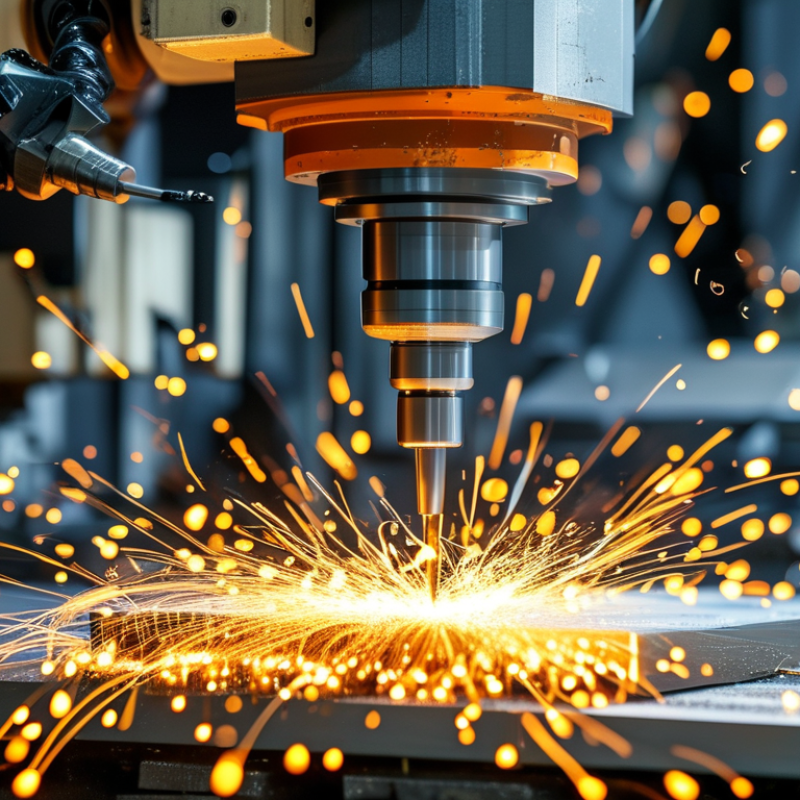
2026 Top Rapid CNC Machining Techniques for Global Buyers?

Overview of Rapid CNC Machining Techniques for 2026

Rapid CNC machining is reshaping manufacturing. In 2026, key techniques focus on precision and speed. According to a recent industry report, companies adopting advanced CNC methods have seen up to a 30% reduction in production time. This shift to faster processes allows for shorter lead times, crucial for meeting market demands.

Among the techniques, high-speed machining (HSM) is gaining traction. It optimizes tool performance while minimizing cycle times. A study noted that HSM can improve surface finish quality by 20% compared to traditional methods. However, not all manufacturers can maintain consistency with HSM due to tooling costs and skill gaps. This creates an opportunity for training and upskilling.

Additive manufacturing integration is another noteworthy trend. Hybrid CNC machines combine subtractive and additive methods, which expand design possibilities. This integration can lead to material waste reduction but requires careful calibration. The challenge lies in achieving precision across varying techniques, which may not be guaranteed.

Latest Innovations in CNC Machining Technology

CNC machining is evolving rapidly. The latest innovations enhance precision and efficiency. Advanced technologies like artificial intelligence and machine learning are streamlining processes. These innovations reduce human error and increase productivity.

Laser technology is making waves in CNC machining. This method offers precise cuts and finishes. It minimizes material waste too. As industries demand more customization, adaptive machining techniques come into play. These allow for quicker adjustments to designs, meeting market needs swiftly.

Tips: Choose a reputable CNC service provider with robust quality checks. Always ask for samples to evaluate their work before finalizing any project. Keep an eye on emerging trends in machining; they can significantly impact your project outcomes. Sustainable practices are also gaining attention in the industry, showing a shift toward eco-friendly machining methods. Such advancements not only improve efficiency but also reflect growing social responsibility.

Comparison of Traditional vs. Rapid CNC Machining

In the race for efficiency and precision, CNC machining has evolved dramatically. Traditional CNC machining processes often require longer lead times. These processes involve extensive setups and tooling. In contrast, rapid CNC machining minimizes these delays. It focuses on reducing production cycles while maintaining accuracy. This is crucial for industries demanding quick turnaround times.

Tips: When choosing between methods, consider your specific needs. Analyze production volume and material types carefully. Rapid CNC machining may save time but can be costlier for small runs.

Another key difference lies in flexibility. Traditional methods may struggle to adapt to design changes mid-production. Rapid CNC machining allows for seamless adjustments. This feature is particularly valuable in a fast-paced market. However, this flexibility can come with trade-offs. Sometimes, rapid processes may sacrifice surface finish quality.

Tips: Prioritize functionality when assessing your options. A perfect finish isn't always necessary, especially for prototypes. Understand that some imperfections can be part of the innovation process. They often lead to valuable insights and improvements.

Comparison of Traditional vs. Rapid CNC Machining Techniques

Key Applications and Industries Utilizing Rapid CNC Machining

Rapid CNC machining plays a crucial role across various industries. Aerospace is one key application area. Precise components are essential for aircraft performance. The ability to create complex geometries quickly improves production efficiency. This speed helps manufacturers meet tight deadlines without compromising quality.


Another significant industry is automotive. Rapid CNC machining allows for rapid prototyping of car parts. Engineers can test and iterate designs swiftly, which reduces development time and costs. However, quality control remains a challenge. Consistency in producing complex shapes needs serious attention in automotive applications.


Medical devices also leverage rapid CNC machining. Custom implants and surgical tools require high precision. Prototyping new designs can speed up time-to-market. Yet, regulatory compliance is a hurdle. Manufacturers must navigate stringent guidelines to ensure safety. Each sector showcases unique advantages and challenges, emphasizing the need for expertise in rapid CNC processes.

Factors to Consider When Choosing CNC Machining Techniques

When selecting CNC machining techniques, various factors play a crucial role. The material type significantly impacts the choice. Hard metals require different techniques compared to plastics. Each material has unique properties. Therefore, understanding these characteristics is essential. This knowledge helps in achieving precise outcomes.

Another important aspect is design complexity. Intricate designs may need advanced machining methods. Simpler parts might work well with basic approaches. The level of detail can define the machining technique. In some cases, manufacturers encounter challenges. They might choose a technique that does not fully suit their needs.

Cost considerations cannot be overlooked. The budget influences the choice of technique. Some methods are more economical but may sacrifice precision. Others are expensive but provide superior accuracy. Balancing cost and quality can be tricky. Buyers often find themselves reassessing their options. Understanding the trade-offs is vital for making informed decisions.

FAQS

: What is rapid CNC machining?

: Rapid CNC machining improves manufacturing speed and precision. It allows quicker production times and meets market demands effectively.

How much can production time be reduced with advanced CNC methods?

Companies utilizing advanced CNC techniques report up to 30% faster production times. This efficiency is crucial for timely deliveries.

What is high-speed machining (HSM)?

HSM focuses on optimizing tool performance and reducing cycle times. It enhances surface quality, sometimes by 20%.

What challenges do manufacturers face with HSM?

Manufacturers may struggle with tool costs and skill shortages. This inconsistency requires attention and possible training.

Why is additive manufacturing integration important?

It combines subtractive and additive methods, expanding design capabilities. However, precise calibration is necessary to minimize waste.

How does material type affect CNC machining choices?

Different materials, like hard metals vs. plastics, need distinct techniques. Understanding material properties is essential for accuracy.

How does design complexity influence machining methods?

Intricate designs require advanced machining methods, while simpler parts may use basic techniques. Detail level is critical.

Why are cost considerations important?

Budget impacts the technique choice. Some economical methods may sacrifice precision, leading to trade-offs that need careful evaluation.

What common mistakes do manufacturers make when choosing techniques?

They might select unsuitable methods, leading to challenges. This reflection on choices is vital for improving outcomes.

How can manufacturers ensure better outcomes in CNC machining?

Training, understanding material needs, and balancing costs with quality can lead to more effective results. Continuous learning is key.

Conclusion

The article "2026 Top Rapid CNC Machining Techniques for Global Buyers" provides a comprehensive overview of the advancements in rapid CNC machining technologies anticipated for 2026. It highlights the latest innovations that are enhancing efficiency and precision in manufacturing. The comparison between traditional and rapid CNC machining techniques emphasizes the speed, cost-effectiveness, and flexibility that rapid methods offer, making them increasingly relevant for modern industries.

Key applications across various sectors are explored to illustrate how rapid CNC machining is transforming product development and production processes. Additionally, the article outlines critical factors for buyers to consider when selecting CNC machining techniques, ensuring informed decisions that align with their specific needs and industry demands. The insights provided aim to equip global buyers with the knowledge necessary to navigate the evolving landscape of rapid CNC machining effectively.

Liam

Liam

Liam is a dedicated marketing professional with a profound expertise in the industry, where he excels at highlighting the unique advantages of our core products. With a keen understanding of market trends and consumer needs, Liam frequently updates our company’s professional blog, providing......