The Difference Between Five Axes and Three Axes
Three-Axis Machine Tool Processing
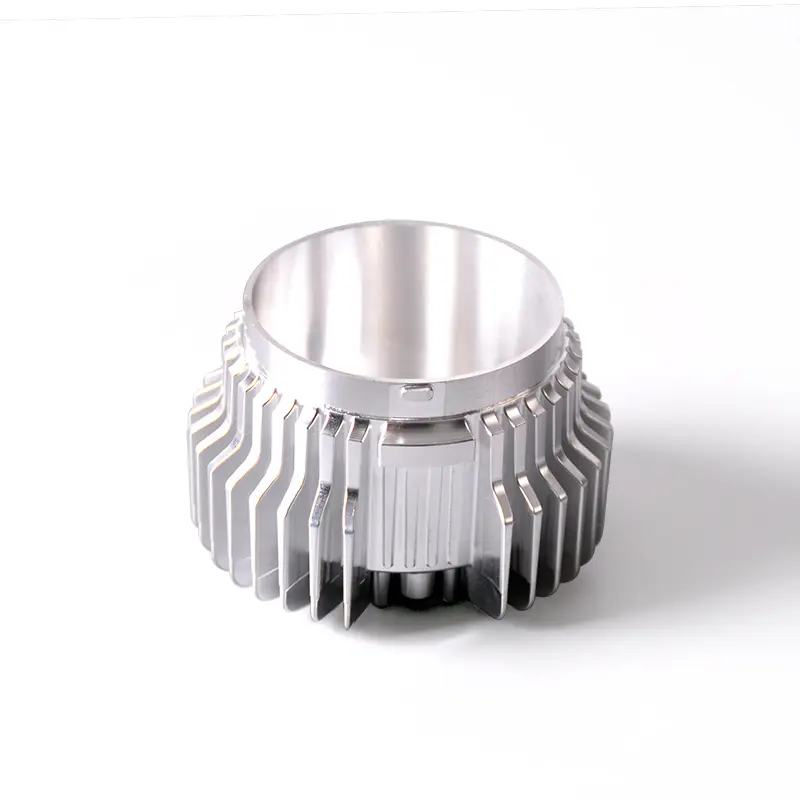
Three-axis machine tool processing, in the processing of 3D workpiece accuracy is not high, such as impeller, although it can be processed, but the accuracy is low, and the tool is not perpendicular to the processing surface processing, the tool is not the largest output; There are also some workpieces that cannot be processed with a three-axis machine.
Five-Axis Machine Tool Processing
Five-axis machine tool processing, five-axis linkage is not the focus, the focus is RTCP or TCP, that is, the tool center point control, through adjustment, you can ensure that the machining, the tool is perpendicular to the machining surface, to ensure that the tool is in the maximum output state, but also to ensure the accuracy of processing.
Frequently Asked Questions (FAQ)
Q
What is the main limitation of a three-axis machine tool?
The main limitation is that the tool cannot remain perpendicular to the processing surface during complex 3D workpiece machining, which results in lower accuracy and prevents the tool from achieving its maximum output. Some complex workpieces cannot be processed at all.
Q
Why is five-axis machining superior for 3D workpieces like impellers?
Five-axis machining ensures high precision by keeping the tool perpendicular to the machining surface throughout the process, optimizing the cutting conditions and maximizing tool efficiency.
Q
What is RTCP or TCP in five-axis machining?
RTCP stands for Rotational Tool Center Point control (or simply Tool Center Point control). It is the core technology in five-axis machining that automatically adjusts and controls the tool center point to maintain perpendicularity to the workpiece surface.
Q
Is five-axis linkage the most critical factor in five-axis machining?
No, five-axis linkage is not the primary focus. The true key to successful five-axis machining is the RTCP (Tool Center Point Control) system, which ensures precise tool positioning and perpendicularity.
Q
How does tool perpendicularity affect machining accuracy?
When the tool is perpendicular to the machining surface, it operates in its optimal cutting state, reducing tool wear, minimizing deflection, and significantly improving the surface finish and overall accuracy of the workpiece.
 Hongrui Model