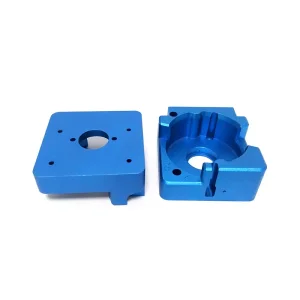
What are the benefits of making a prototype?
Prototyping integrates a multi-disciplinary approach to modern manufacturing. It combines mechanical engineering, CAD, reverse engineering technology, layered manufacturing technology, numerical control technology, material science, and laser technology.
⚙️
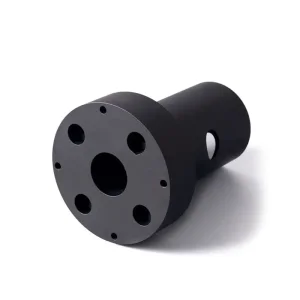
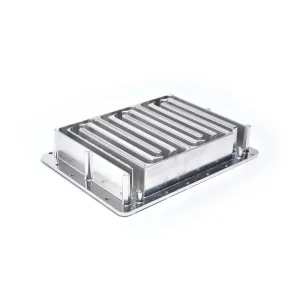
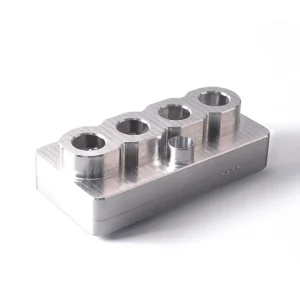
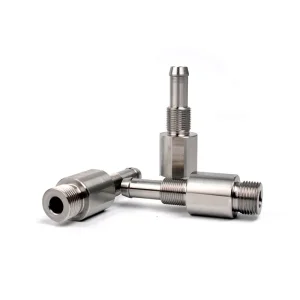
Automatically and directly transforms design ideas into functional prototypes or manufactured parts.
🚀
Provides an efficient and low-cost realization means for prototyping parts and verification of new designs.
🎯
Quickly and accurately bridges the gap between conceptual design and physical reality.
Manufacturing Precision
The level of accuracy achievable in modern rapid forming is exceptional, ensuring that the physical model matches the digital design closely.
Accuracy Level: ± 0.1mm
Accuracy in the height direction is even more refined, allowing for tight tolerances in complex mechanical assemblies.
Frequently Asked Questions
What technologies are involved in the prototyping process?
The process integrates CAD, reverse engineering, layered manufacturing, numerical control (CNC), material science, and laser technology to create accurate models.
How accurate are rapid forming prototype parts?
Generally, rapid forming parts reach an accuracy level of ± 0.1mm, with even higher precision possible in the height direction.
Why is prototyping considered cost-effective?
It provides an efficient means to verify design ideas and functional parts early in the development cycle, reducing the risk of expensive errors during mass production.
Can design ideas be directly converted into functional parts?
Yes, through the integration of mechanical engineering and numerical control, design ideas can be automatically and quickly transformed into functional prototypes.
What role does CAD play in prototyping?
CAD (Computer-Aided Design) acts as the foundation, allowing for the digital creation and layered manufacturing instructions necessary to build the physical prototype.
What is the benefit of using laser technology in this process?
Laser technology allows for high-speed, high-precision material processing, which is essential for achieving the ± 0.1mm accuracy standard.
 Hongrui Model