⚙️
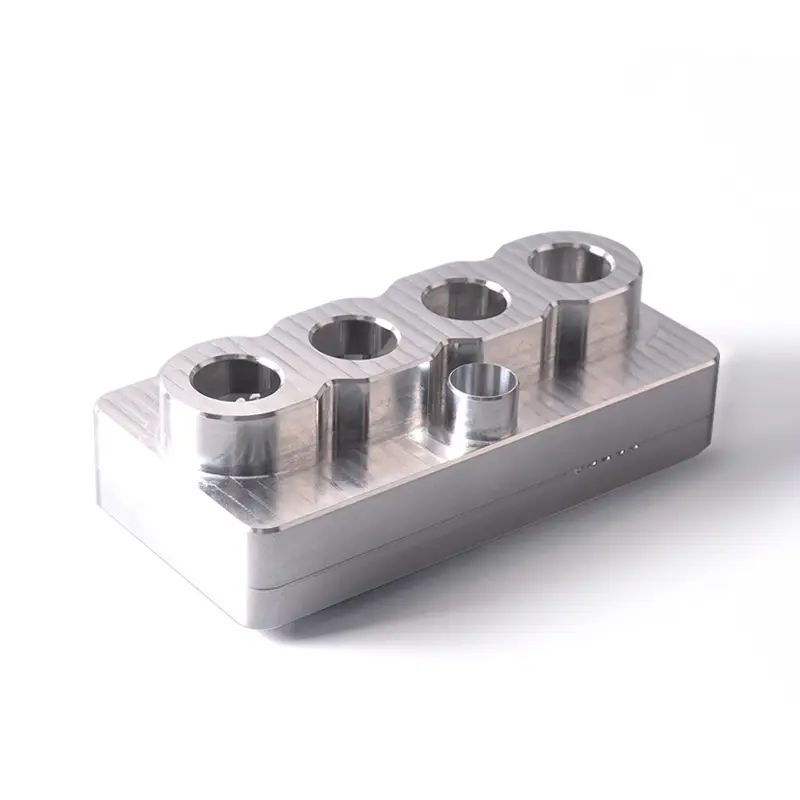
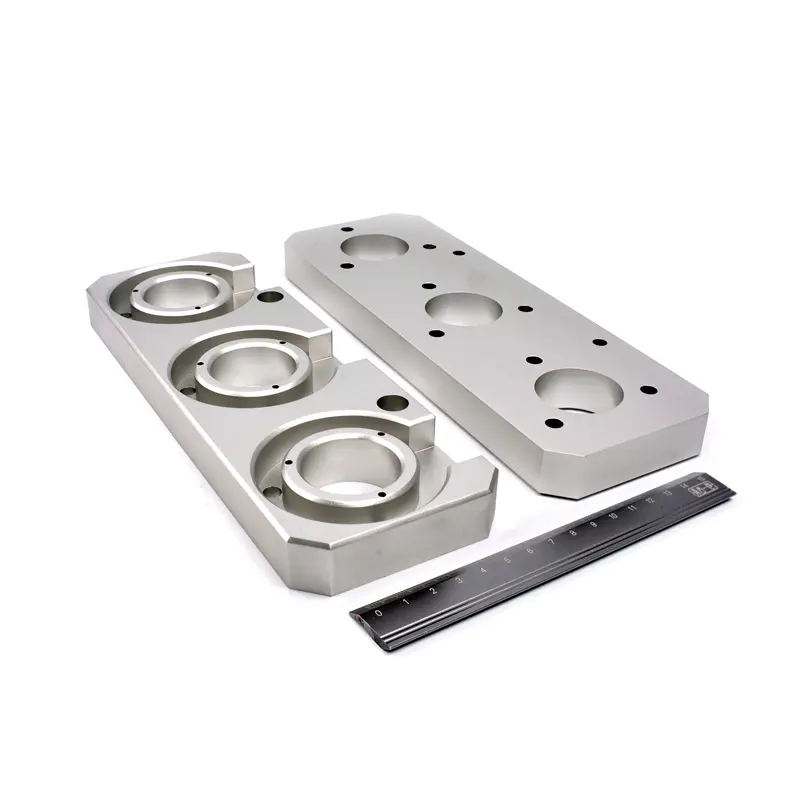
Computer numerical control (CNC) drilling is widely used in mass production. However, a drill press is typically a multi-purpose machining center that can also perform milling and sometimes turning. The most time consuming part of CNC engraving is changing tools. Therefore, changes in hole diameter must be minimized to increase speed.
🚀 High Speed Efficiency
The fastest machines for drilling holes of different sizes have several spindles on the tower and are equipped with drills of different diameters for drilling holes.
🔄 Automatic Positioning
There is no need to remove or replace drill bits because the movement of the rotating turret places the corresponding drill bit in position.
🎯 Optimized Machining Solutions
To be economical, the appropriate type of CNC engraving machine must be used for the specific geometry of the part.
Manual & Semi-Automatic: Sufficient for smaller work sizes.
Gear Heads: Ideal for hole types with large size variations and large sizes.
Gearless Heads: Used when holes are close together and high productivity is needed, completing patterns in one pass.
💡 What does it offer us?
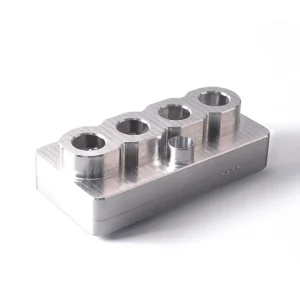
Beyond standard drilling, these systems can process workpieces without symmetrical rotating axes, especially porous processing. It can efficiently complete:
Reaming
Tapping
Counterfacing
📊 Precision & Technical Characteristics
Accuracy Standard
Generally reaches IT10 accuracy.
Surface roughness: 12.5~6.3μm
Twist Drill Design
Two cutting edges are symmetrically distributed, balancing radial resistance to prevent bending.
Removal Rate
The cutting depth reaches half of the pore size, ensuring a high metal removal rate.
❓ Frequently Asked Questions
What operations can a CNC drilling machine perform besides drilling?
In addition to drilling, it can complete reaming, counterfacing, and tapping, making it a versatile choice for porous processing on various workpieces.
How can CNC drilling speed be optimized?
To increase speed, changes in hole diameter should be minimized. Using machines with rotating turrets and multiple spindles also eliminates the time needed for manual tool replacement.
What is the typical accuracy of a CNC drilled surface?
Standard CNC drilling typically achieves an IT10 accuracy level, with a surface roughness ranging between 12.5 and 6.3μm.
When should I choose a gearless head for drilling?
Gearless heads are ideal when high productivity is required and the hole pattern is dense (holes close together), allowing the entire pattern to be completed in a single pass.
Why is the twist drill resistant to bending?
Because the two cutting edges of a twist drill are symmetrically distributed on both sides of the axis, the radial resistance is balanced, which prevents the tool from bending during operation.
Is CNC drilling suitable for small work sizes?
For smaller work sizes, manual or semi-automatic drilling is often sufficient and more economical than high-end automatic CNC centers.
 Hongrui Model