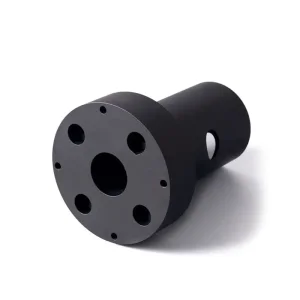
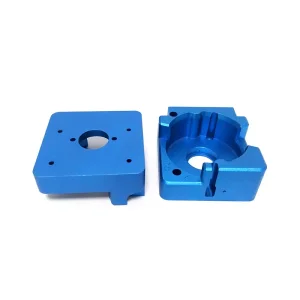
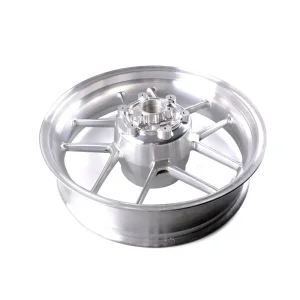
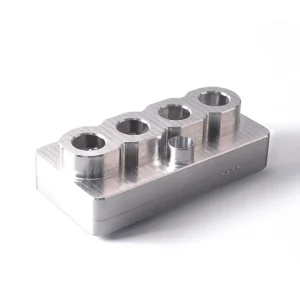
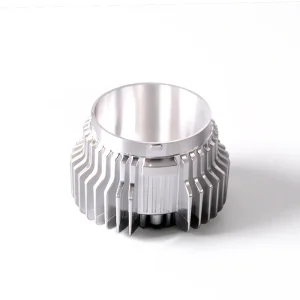
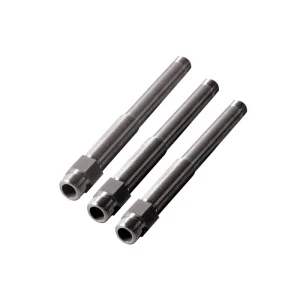
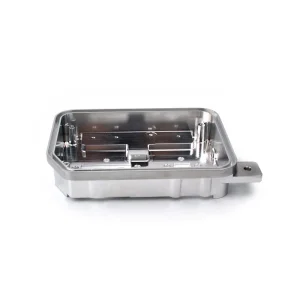
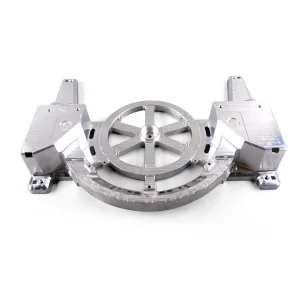
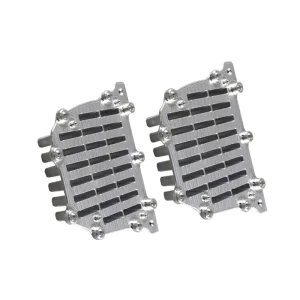
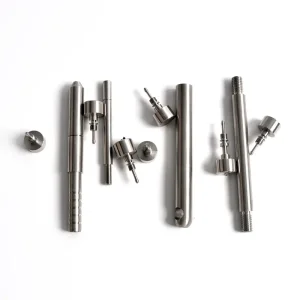
High-precision components optimized for durability in the challenging industrial environments of Sudan.
Sudan's industrial sector, centered around Khartoum, Port Sudan, and Wad Madani, is undergoing a significant transformation. As the nation focuses on rebuilding infrastructure, the demand for high-end "Surface Treatment Modes" has reached an all-time high. From the corrosive coastal atmosphere of the Red Sea to the high-heat, dusty environments of the interior, industrial components require more than just basic manufacturing—they require advanced surface engineering.
With massive investments in hydro-electric and oil extraction, components must withstand extreme tribological stress and chemical exposure.
Sudan's gold mining sector requires specialized abrasion-resistant coatings for heavy machinery parts to minimize downtime in remote areas.
Food processing and agricultural machinery require food-grade surface treatments and stainless steel passivation to ensure safety and longevity.
Integrating E-E-A-T principles into our manufacturing flow for Sudan's global trade partners.
For stainless steel components used in Sudanese oil refineries, we employ advanced passivation techniques. This removes free iron from the surface and creates a protective chromium oxide layer that prevents pitting corrosion in high-sulfur environments.
Our facility in China integrates machining and finishing under one roof. By utilizing 5-axis CNC technology, we achieve tolerances of ±0.005mm, followed immediately by surface treatment to ensure no oxidation occurs between production stages. This is critical for the precision sensors used in Sudan's communication infrastructure.
Anodizing is the preferred surface treatment for aluminum parts in Sudan's aerospace and transport sectors. We provide both decorative (Type II) and hard (Type III) anodizing, offering surface hardness that can rival hardened steel, ideal for the gears and pulleys used in Sudanese industrial plants.
For global enterprises looking to supply the Sudanese market, logistical compliance and material certification are paramount. We understand the complexities of Sudan’s Standards and Metrology Organization (SSMO) requirements. Our documentation includes full material traceability, SGS inspection reports, and Certificate of Conformity (CoC) to ensure smooth customs clearance at Port Sudan.
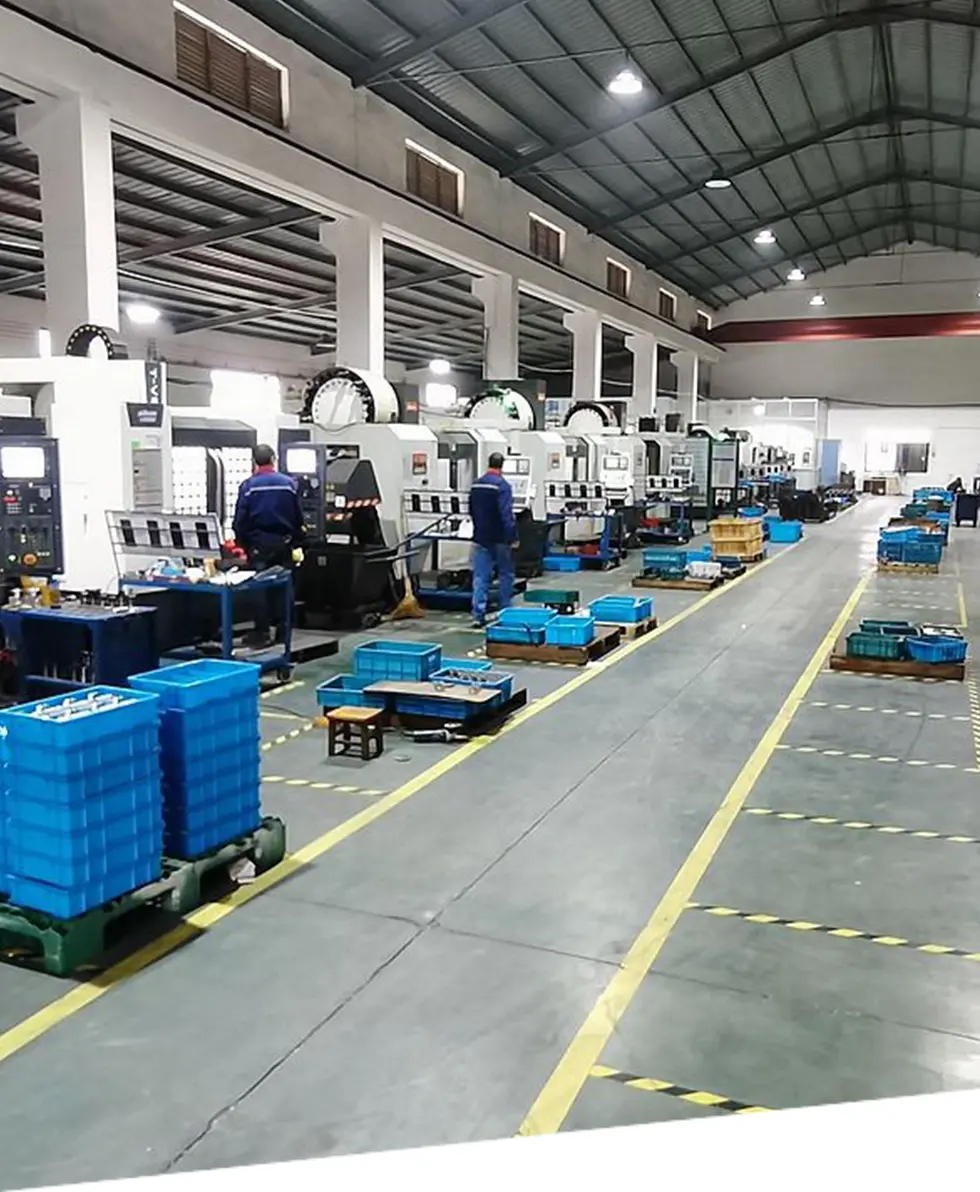
Hongrui stands as a beacon of precision in the rapid prototyping and manufacturing industry. Established in 2019 in Dongguan, China—the world’s manufacturing hub—we have rapidly expanded to serve international markets, including the burgeoning industrial sectors in Sudan. With a registered capital of 5 million yuan and a dedicated workforce of over 100 specialists, we combine Chinese manufacturing efficiency with global quality standards.
Our commitment to E-E-A-T is evidenced by our rigorous certification path. In 2020, we successfully cleared the SGS quality system audit. By 2023, we secured the prestigious GB/119001-2016 ISO 9001:2015 certificate, alongside an environmental system audit by SGS. This means every part shipped to Khartoum or Port Sudan meets the highest international benchmarks for quality and sustainability.
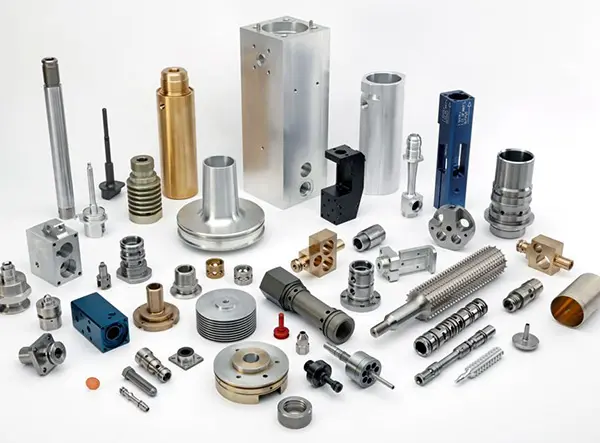
Our production floor features 50 advanced CNC machine tools. This fleet includes vertical, horizontal, three-axis, four-axis, and full 5-axis CNC machining centers. For Sudanese clients, this translates to drastically reduced lead times and the ability to produce complex geometries that other suppliers simply cannot handle. We specialize in OEM parts, ensuring that whether you are in the automotive or medical sector in Sudan, your specifications are met with absolute fidelity.
Ready to optimize your Sudanese industrial supply chain?
Send Inquiry Now Hongrui Model