Home >
Surface Treatment Modes >
High-Quality Advanced Anodizing Solutions for Metal Finishing Manufacturers, Supplier
1 / 1
High-Quality Advanced Anodizing Solutions for Metal Finishing Manufacturers, Supplier
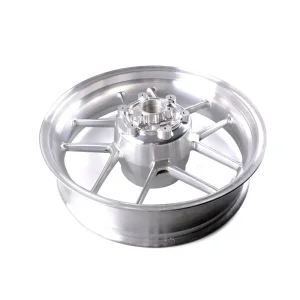
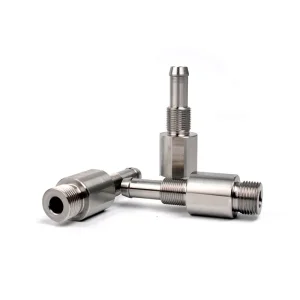
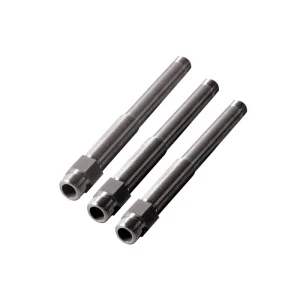
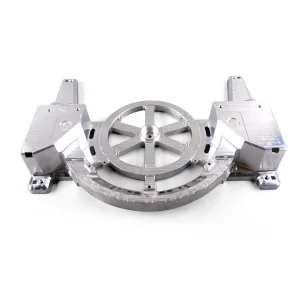
Electrochemical oxidation of metals or alloys. Aluminum and its alloy in the corresponding electrolyte and specific process conditions, due to the action of external current, the process of forming an oxide film on the aluminum product (anode).
Generally, aluminum alloy is easy to oxidize. Although the oxide layer has a certain passivation effect, long-term exposure can cause the layer to peel off, losing its protective effect. Anodizing utilizes these oxidation characteristics through electrochemical methods to control the generation of the oxide layer.
✓Prevents further oxidation of aluminum while increasing surface mechanical properties.
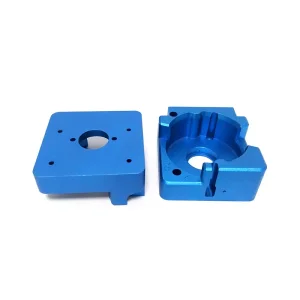
✓Produces a variety of colors through different chemical reactions to improve appearance.
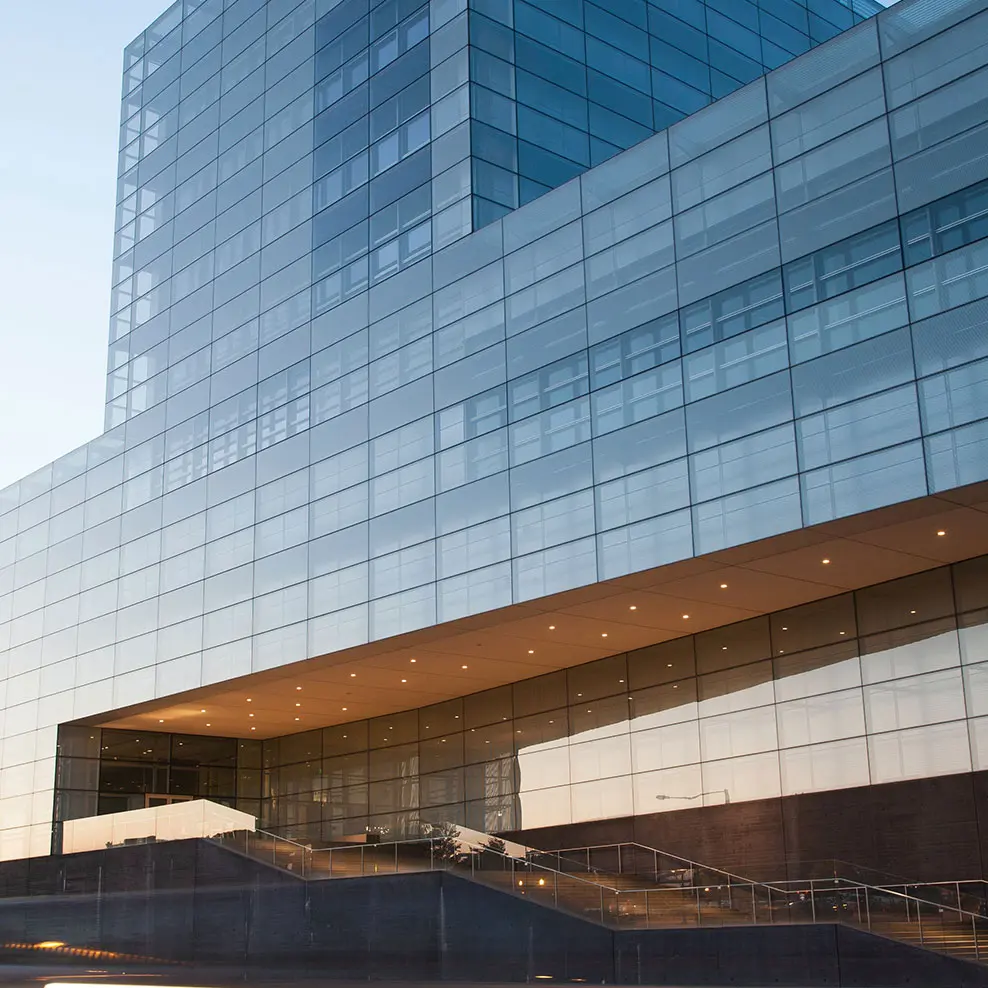
✓Widely used in aircraft skin, military weapons, copier paper rollers, building aluminum curtains, and aluminum doors and windows.
✓Provides surface modification effects, such as thick porous surfaces for dye absorption or thin transparent layers to increase light reflection.
Anodizing is also employed to avoid sharp angles or rough edges caused by screw rubbing and serves as a dielectric for electrolyte containers. The metal or alloy acts as the anode, forming an oxide film on its surface through electrolysis.
✓Changes the surface state and performance through coloring and structural modification.
✓Improves corrosion resistance significantly.
✓Enhances wear resistance and surface hardness to protect the underlying metal.
Frequently Asked Questions
1. What is the primary purpose of anodizing aluminum?The primary purpose is to control the oxidation process electrochemically to form a protective layer that prevents further corrosion and increases the mechanical properties of the aluminum surface.
2. Can anodizing improve the aesthetic appearance of parts?Yes, anodizing allows for various chemical reactions that can produce a wide range of colors and surface finishes, making it ideal for decorative applications like architectural curtains and consumer goods.
3. How does anodizing enhance wear resistance?The process forms a hard metal oxide film on the surface which increases surface hardness, protecting the metal from abrasion and rough edges caused by mechanical rubbing.
4. Why is the porous nature of an anodized surface useful?A thick and porous anodized surface allows dyes and lubricants to be easily absorbed and trapped, which is essential for uniform coloring and improved functional performance.
5. What industries commonly utilize anodizing technology?Anodizing is widely used in the aerospace industry (aircraft skins), military (weapons), construction (windows and doors), and office equipment (copier rollers).
6. Does anodizing help with light reflection?Yes, by creating a thin transparent oxide layer, anodizing can significantly increase the ability of the aluminum surface to reflect light.
 Hongrui Model