Explore our elite core technologies utilizing state-of-the-art tooling pathways for high-integrity components across Australian industrial corridors.
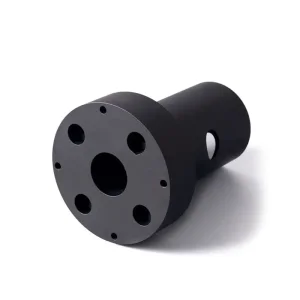
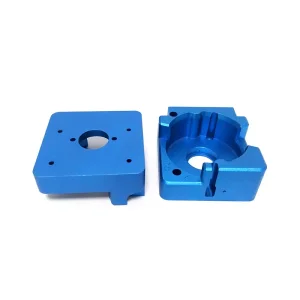
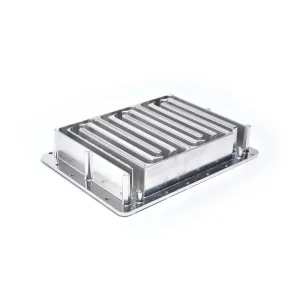
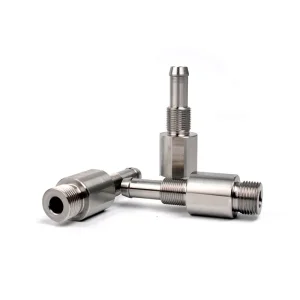
Australia’s unique geography places extraordinary demands on metallic components. From the highly corrosive, salt-laden coastal regions of Western Australia and Queensland to the abrasive, high-temperature dust storms in the Pilbara mining fields, standard machining finishes simply cannot survive. Surface degradation leads to premature fatigue failures, galling, stress corrosion cracking (SCC), and catastrophic system down-times costing industrial firms millions of dollars.
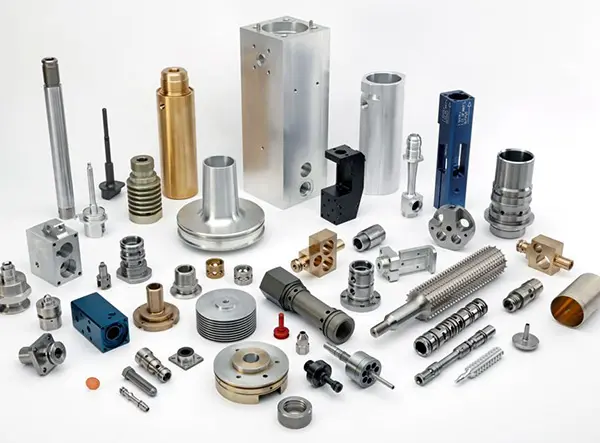
Understanding the precise Surface Treatment Modes required is paramount. It is not merely an aesthetic choice; it is an engineering imperative. Surface treatment modifies the chemical, physical, and mechanical properties of the outermost layers of metal substrates. By utilizing advanced methods such as hard-coat Type III anodizing, chemical conversion (Alodine), electroless nickel plating, and precision bead-blasting/polishing, we optimize components to achieve long-term wear resistance, superior dielectric breakdown, and chemical inertness under the most hostile operating criteria.
Analyzing the chemical dynamics, dimensional tolerances, and micro-inch roughness profiles of leading surface modification protocols.
Controlled electrochemical oxidation generating a semi-porous alumina layer. Type III (Hardcoat) produces oxide thicknesses of 50-75 microns, delivering extreme hardness equivalent to tool steel and superior wear-resistance in harsh mining slurry pathways.
A non-electrolytic chromate conversion coating primarily for aluminum alloys. It provides exceptional corrosion protection while maintaining excellent electrical conductivity for communications hardware and aerospace housing structures.
Autocatalytic chemical reduction that deposits a uniform, dense layer of nickel-phosphorus alloy over irregular geometries. Unmatched wear properties and thickness uniformity down to ±1.5 microns across complex deep internal bores.
A targeted chemical treatment using nitric or citric acid baths to strip free iron from the surface of stainless steels. This reaction forces the immediate, uniform growth of a passive, ultra-thin chromium oxide layer that halts atmospheric oxidation.
Mechanical impact finishing techniques targeting exact surface roughness (Ra) profiles. By bombarding substrate surfaces with precise media (glass bead, alumina oxides), we relieve localized surface tensile stresses, significantly extending fatigue limits.
How our tailored metal surface finishing systems integrate seamlessly into major national supply chains.
Heavy machinery operating in regional Western Australia faces persistent contact with highly abrasive sand, iron ore dust, and harsh chemicals. Our hard anodizing and localized physical vapor deposition (PVD) solutions are widely used in mineral processing plants, drill collars, hydraulic manifolds, and heavy transport suspension pivots, increasing equipment lifetime by 300%.
Precision and weight-to-strength ratios are critical for aerospace manufacturing in Adelaide, Melbourne, and Sydney. Our AS9100 standard equivalent testing ensures precision surface protection on high-strength titanium, magnesium, and structural aluminum alloys for drone assemblies, internal jet parts, and guidance casings.
Operating within marine salt spray conditions demands specialized coatings. Our electrochemical oxide layers paired with fluoropolymer sealants offer unmatched resistance to galvanic corrosion. We supply components for offshore subsea assemblies, vessel instrumentation, and shipping port dry-dock infrastructure across Brisbane and Melbourne ports.
Medical implants and surgical devices demand clean, non-toxic, bio-compatible surface layers. Utilizing specialized electro-polishing and passivation treatments on medical-grade stainless steel (316LVM) and titanium (Ti-6Al-4V ELI) ensures optimal biological compatibility, ultra-low roughness profiles (Ra < 0.1 microns), and absolute structural integrity.
Established in 2019, Dongguan Hongrui Model Technology Co., Ltd. (registered capital of 5 million yuan, employing over 100 skilled engineers and quality inspectors) represents the pinnacle of advanced rapid prototyping and precision manufacturing in China.
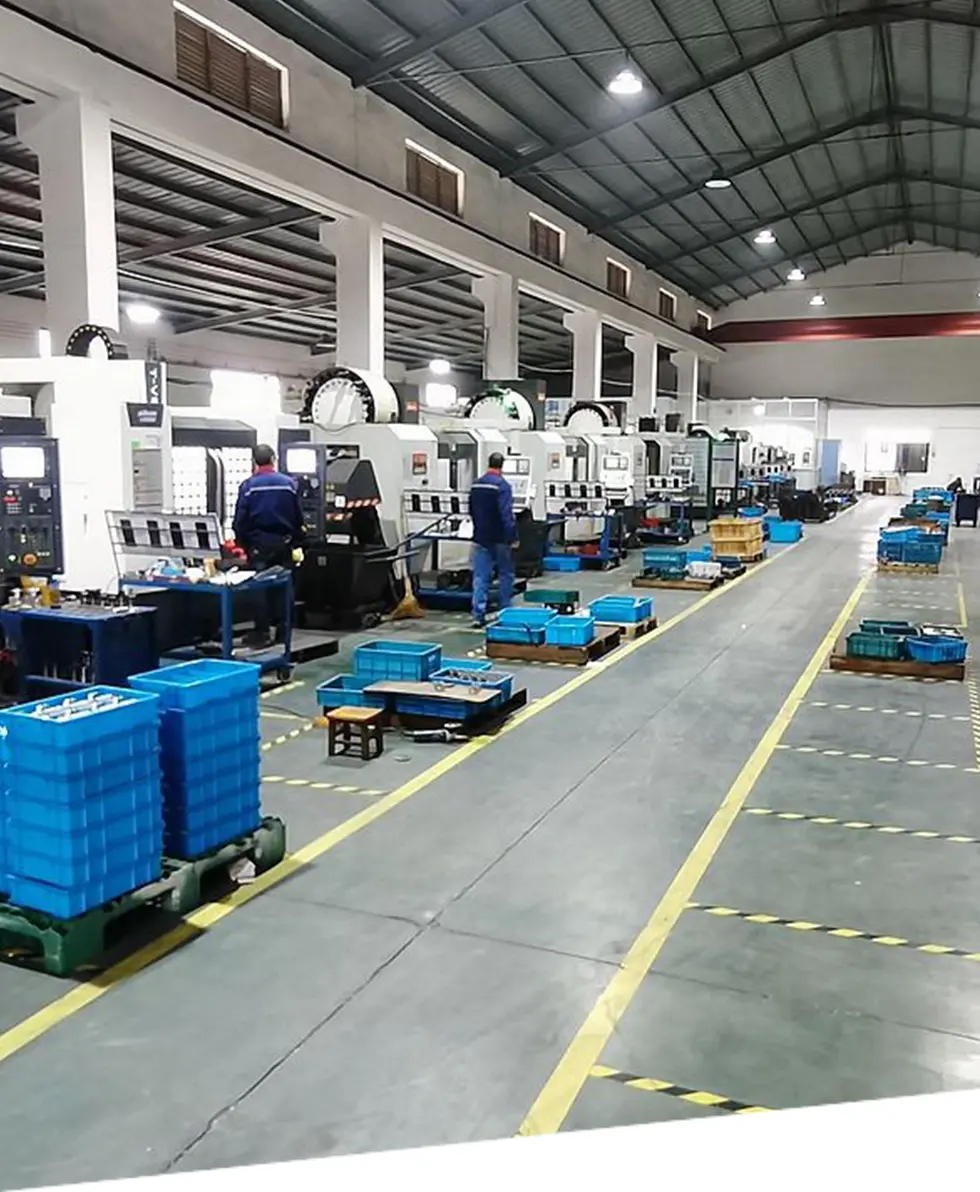
We operate a state-of-the-art facility featuring 50 high-end CNC machine tools (including vertical, horizontal, 3-axis, 4-axis, and high-velocity 5-axis CNC machining centers). Our highly optimized, automated tooling environments ensure we achieve extremely demanding dimensional tolerances, easily controlled within ±0.0002 inches (±0.005 mm).
By partnering with Hongrui, Australian clients unlock massive cost-efficiencies without sacrificing quality. Our localized production ecosystems in Dongguan allow us to procure certified raw metals (aluminum, stainless steel, copper, nickel, cobalt, titanium) at highly competitive prices, while completing surface treatments, precision grinding, and assembly in-house.
Deploying next-gen computerized analytics to achieve absolute zero-defect shipments.
Our computerized coordinate measuring machines map the geometric profile of every finished part, cross-referencing values with 3D CAD inputs to verify absolute physical fidelity.
Non-destructive fluorescent spectral analysis precisely mapping the microscopic distribution of protective layers, ensuring thickness meets target profiles exactly across every single micron.
Accelerated climatic aging testing following ISO 9227 and ASTM B117 parameters, certifying that all marine and subsea parts will resist oxidation in brutal salt air atmospheres.
Clear, authoritative technical answers targeting standard procurement questions from Australian logistics and engineering teams.
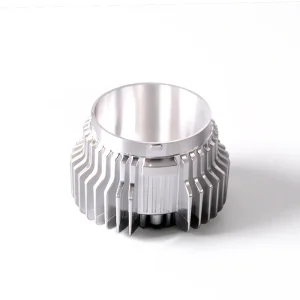
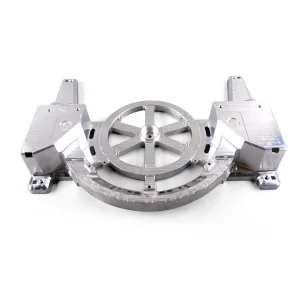
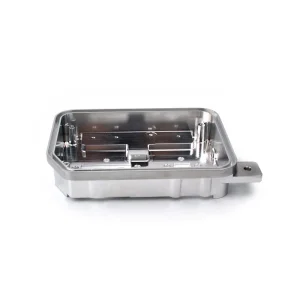
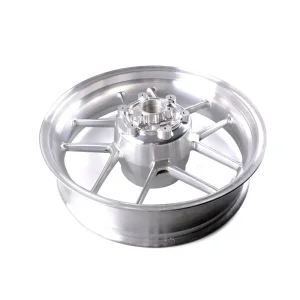
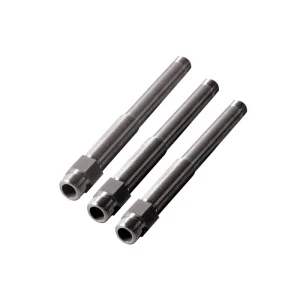
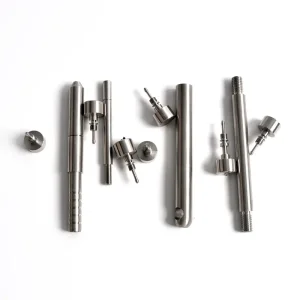
Our extensive production line is engineered for precision, custom geometry, and exceptional structural surface finishes.
Contact our team of precision engineers and surface specialists today. Receive a free, no-obligation engineering design analysis and custom quote within 24 hours.
Send Inquiry Now Hongrui Model