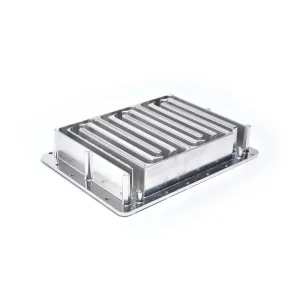
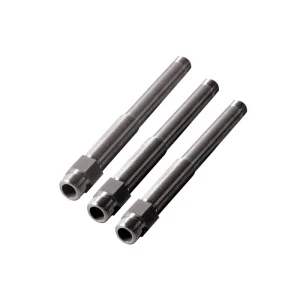
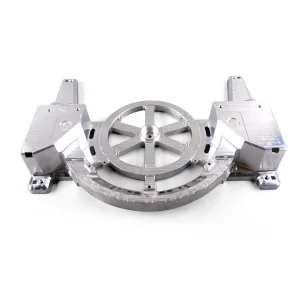
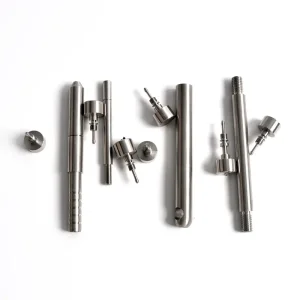
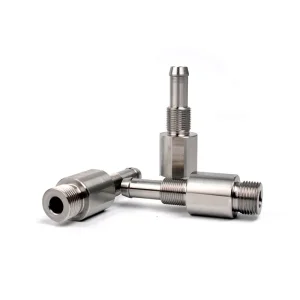
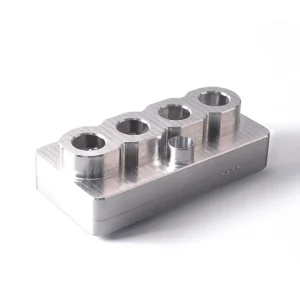
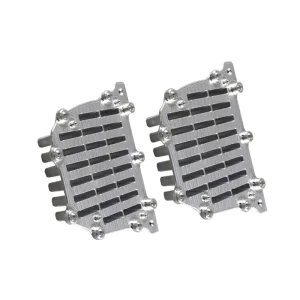
High-performance custom-engineered components matching rigorous EU specifications, directly aligned with Varna, Sofia, and Plovdiv industrial hubs.
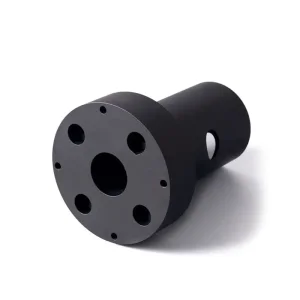
As Eastern Europe solidifies its role as the manufacturing backyard of the European Union, Bulgaria has rapidly emerged as a critical node for advanced automotive assemblies, light aviation components, mechatronics, and heavy machinery. Key industrial zones like the Trakia Economic Zone (TEZ) in Plovdiv, the tech clusters in Sofia, and the maritime engineering hubs in Varna and Burgas demand precise, reliable, and highly scalable mechanical component manufacturing. In this demanding ecosystem, raw precision-machined metal components are only as viable as their surface preparation and finishing quality.
For Bulgarian industrial enterprises, finding a verified international supplier who understands both advanced CNC machining and specialized surface treatment modes is paramount. Standard finishing modes such as type II/III anodizing, chemical passivation, electropolishing, and hard coat plating are no longer merely cosmetic; they are structural necessities that determine component service life, wear coefficient, dielectric breakdown, and resistance against harsh operating environments. Hongrui bridges the critical local technical supply gap in the Bulgarian market by providing high-tolerance production accompanied by world-class chemical conversion, mechanical texturing, and electrochemical treatments.
While domestic Bulgarian workshops are highly capable of basic metal removal, regional bottlenecks frequently occur during the secondary finishing stages. The local sourcing of high-purity, REACH-compliant chemical conversion coatings, micro-thickness hard-anodizing, and ultra-smooth mechanical polishing often falls short under rigorous EU Aerospace and VDA automotive standards. To secure contract safety, Tier-1 suppliers in Bulgaria must turn to international experts possessing fully integrated processing pipelines—from raw feedstock billet to structural-grade CNC machining and automated surface treatment systems.
Understanding the correlation between material chemistry and surface treatments is critical for engineering teams. The selection of a specific surface mode governs the physical, chemical, and dimensional characteristics of the final part. Below is a detailed technical analysis of the main surface treatment modes engineered daily in our facility to serve high-tier applications:
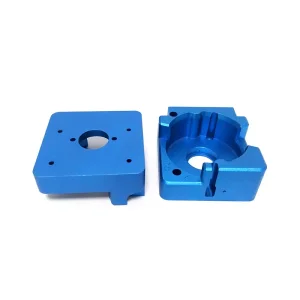
Anodizing is an electrolytic passivation process that increases the thickness of the natural oxide layer on aluminum substrates. By converting the surface into a highly porous, wear-resistant, and chemically inert layer of aluminum oxide (Al2O3), parts gain extreme corrosion resistance and excellent dielectric characteristics. For precision parts bound for Bulgarian automotive assemblies, Type III Hardcoat Anodizing is frequently used to achieve surface hardness values reaching up to 60-65 Rockwell C. This mode provides outstanding resistance against sliding wear, heat dissipation properties, and acts as an exceptional substrate for specialized dye absorption.
Passivation utilizes acid treatments (typically nitric or citric acid) to remove exogenous iron or iron compounds from the surface of stainless steels, restoring a passive chromium-rich protective layer. For aerospace and medical components, passivation is non-negotiable to prevent localized galvanic corrosion. Furthermore, Alodine or Chromate Conversion coatings (specifically hexavalent-chromium-free formulations complying with REACH directives) are applied to non-ferrous metals like aluminum to provide moderate corrosion protection while maintaining excellent electrical conductivity.
Unlike standard electroplating, Electroless Nickel Plating relies on an autocatalytic chemical reaction to deposit a uniform layer of nickel-phosphorus alloy on complex geometries. This treatment mode is highly favored for intricate components utilized in industrial packaging and machinery because it ensures absolute thickness uniformity across inner bores, deep blind holes, and complex gear teeth. The resulting surface offers remarkable wear resistance, lubricity, and hardness that can be further enhanced via post-bake heat treatment.
To prepare parts for subsequent chemical layers or to achieve targeted aesthetic values, precise mechanical interventions are performed. Utilizing controlled media blast materials (such as glass beads, aluminum oxide, or silicon carbide), we can achieve specific roughness average (Ra) values. This process eliminates manufacturing artifacts (such as tool lines or micro-burrs) and creates a uniform matte finish suitable for optical instruments, medical device housings, and consumer-facing automotive control panels.
Guaranteeing structural reliability, micro-level precision, and international delivery speeds designed for European Supply Chain Integration.
Established in 2019 with a registered capital of 5 million yuan and currently employing over 100 dedicated technical professionals, Dongguan Hongrui Model Technology Co., Ltd. is widely recognized as one of the premier precision engineering and rapid prototyping companies in China. We specialize in low-cost, high-performance OEM CNC machining parts manufacturing that fulfills the most rigorous demands of global industries. Our component output and specialized surface treatment services are widely integrated within high-tech sectors including automotive assembly lines, critical medical instruments, micro-electronics, aerospace structures, industrial automated machinery, telecommunications arrays, and intelligent smart devices.
Our absolute dedication to quality and environmental stewardship is reflected in our structural compliance frameworks. In 2020, we successfully passed our comprehensive quality system audit by the prestigious SGS Group. Continuously improving our standard operating procedures, we officially obtained the "GB/T19001-2016 / ISO 9001:2015" Quality Management Certificate in 2023. Parallel to this achievement, Hongrui passed the SGS environmental system audit. We strictly enforce ISO management provisions in every production batch, ensuring that all precision CNC machining and surface coating services reflect perfect micro-details, total environmental compliance, and absolute customer satisfaction.
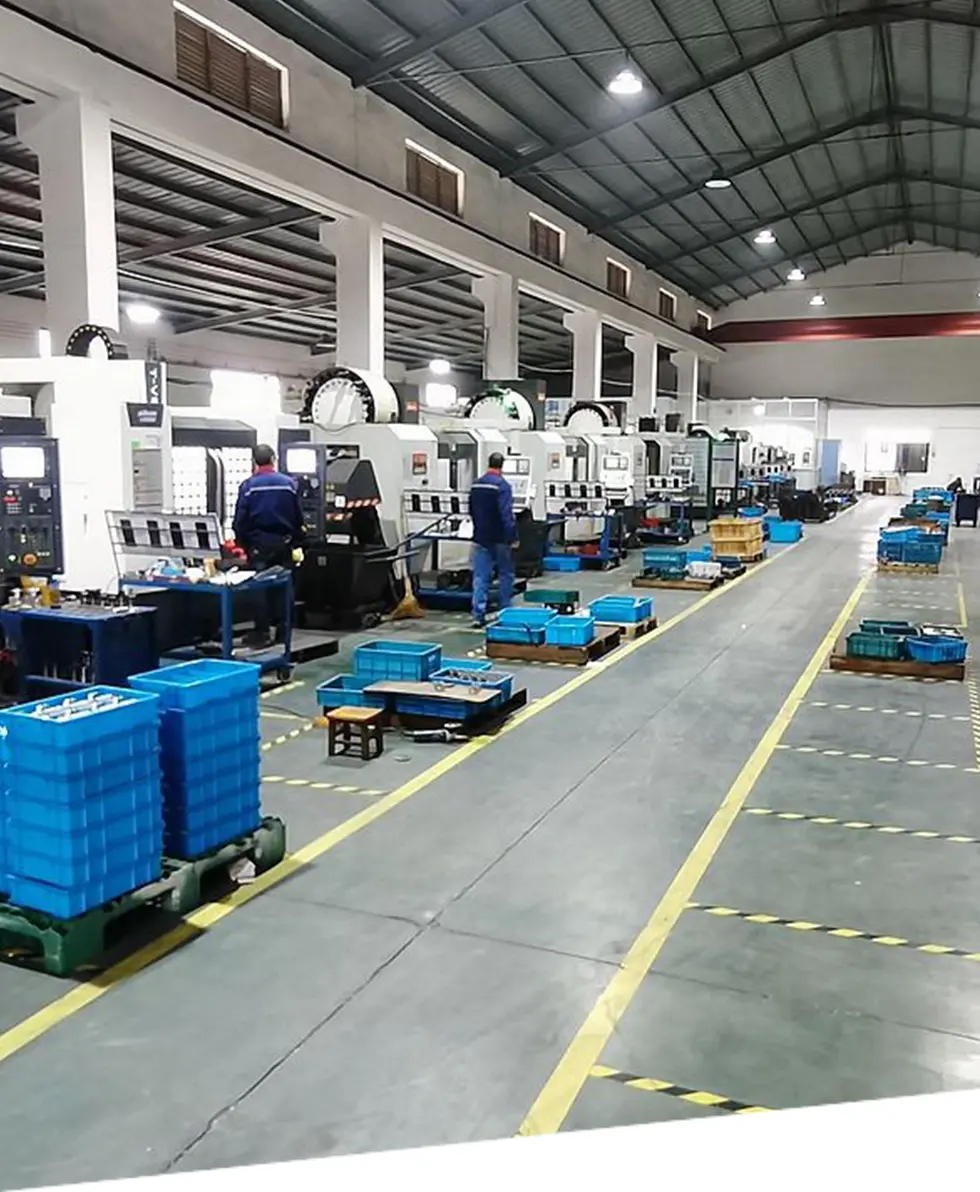
Hongrui houses a robust fleet of over 50 state-of-the-art CNC machine tools. This advanced machinery portfolio features vertical, horizontal, three-axis, four-axis, and high-performance five-axis CNC machining centers. This intensive equipment infrastructure allows us to significantly compress production lead times, providing Bulgarian and broader European buyers with agile delivery schedules.
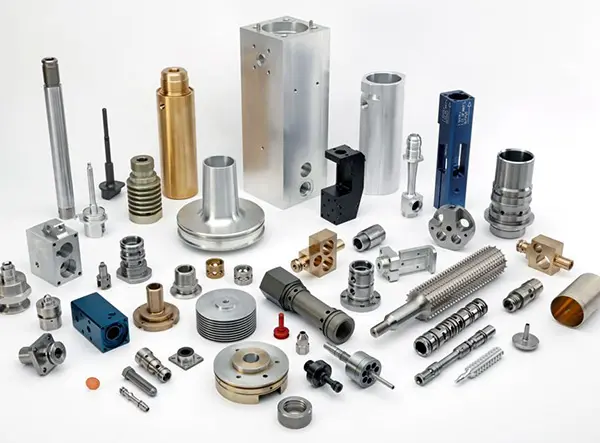
For purchasing managers and procurement engineers in Sofia, Burgas, and Plovdiv, sourcing high-precision components with specific surface treatment profiles involves evaluating complex variables that influence the Total Cost of Ownership (TCO). The cost of a component is not restricted to the initial machining price; it includes service lifetime, warranty rate, logistics overheads, and compliance risks. Sourcing components with subpar or incorrectly verified surface coatings often results in rapid part degradation, chemical degradation in marine environments, or structural failure under high pressure or dynamic loading.
By partnering with Hongrui, Bulgarian enterprises achieve a highly optimized sourcing strategy. Through our unified facility setup, we eliminate the unnecessary costs of sending parts between multi-vendor subcontractors. For instance, when a parts manufacturing plant mills aluminum structures, those parts must immediately undergo de-oxidization, deburring, and protective anodizing. If these processes are divided between a standard machinist and a separate chemical plating facility, shipping delays, exposure to humidity, and divided quality responsibilities frequently lead to oxidized interfaces and rejected batches. Hongrui performs all structural precision CNC milling and secondary anodizing or passivation in-house, backed by rigorous quality assurance checkpoints.
We have refined our logistics structures to support rapid transit to Bulgaria. Whether shipping components via expedited air freight to Sofia Airport or using cost-efficient sea freight to the ports of Varna and Burgas, our logistics specialists handle all necessary custom declarations and documentation. We provide full chemical trace documentation, SGS material certification sheets, and precise thickness measurements, facilitating smooth customs clearance into the EU and direct integration into local assembly lines.
The global manufacturing sector is currently experiencing a profound paradigm shift driven by environmental sustainability. Within the European Union, regulations such as REACH and RoHS are continually tightening limits on chemical emissions, waste management, and toxic heavy metals (such as hexavalent chromium CrVI). For Bulgarian industrial suppliers who sell their products to larger Western European markets, showing compliance with these strict environmental policies is essential to secure tier-1 contract awards.
Hongrui is actively investing in the next generation of eco-friendly, high-performance surface engineering technologies. We have shifted our chemical conversion processes away from traditional hexavalent processes to advanced trivalent chromium (CrIII) and zirconium-based conversion treatments. These newer coating techniques provide excellent corrosion protection and low contact resistance, all while strictly complying with the latest EU directives. Furthermore, we are exploring advanced, solvent-free dry electrostatic powder coatings, closed-loop water recirculation systems for our chemical treatment tanks, and automated laser texturing. This continuous evolution keeps our processes modern and highly efficient, offering a reliable, future-proof partnership for Bulgarian manufacturers.
Expert technical insights regarding material science, surface modes, and logistics for industrial buyers in Bulgaria.
Unlike standard Type II anodizing which primarily penetrates the surface, Type III Hardcoat Anodizing builds up a thick oxide layer where roughly 50% of the coating penetrates the base metal and 50% grows outward. If your design specifies a 50-micron hardcoat thickness, the overall outside dimensions of the part will increase by approximately 25 microns per side. Our engineers analyze this dimensional growth prior to CNC milling, adjusting the pre-plating tool paths to guarantee that the finished components sit perfectly within your designated assembly tolerances.
Yes, all our primary chemical conversion coatings, passivations, and surface finishing modes are fully compliant with EU REACH and RoHS regulations. We provide certified trivalent chromium (CrIII) alternatives and strictly monitor our chemical formulations to ensure they are completely free of hazardous substances. Complete chemical declaration documents can be supplied alongside your shipments to facilitate seamless customs clearance and regulatory audits.
Galvanic corrosion occurs when two metals with different electrical potentials contact each other in the presence of an electrolyte. To prevent this, we analyze the assembly interface and apply protective treatments. Common solutions include applying thick anodized coatings to aluminum parts to act as a dielectric barrier, passivating stainless steel hardware to lower its surface activity, or plating metal interfaces with electroless nickel to minimize the potential differences between components.
We offer multiple shipping structures to accommodate your project timeline. Urgent prototypes or high-value small batches can be sent via express air freight (DHL, FedEx, UPS) directly to Sofia Airport, with transit times usually ranging between 3 to 7 business days. For larger production runs, we coordinate secure ocean container shipments arriving at the ports of Varna or Burgas within 25 to 35 days, providing a highly cost-efficient solution for volume orders.
Combining high-capacity multi-axis CNC machining with advanced surface coatings to deliver ready-to-assemble components.
 Hongrui Model