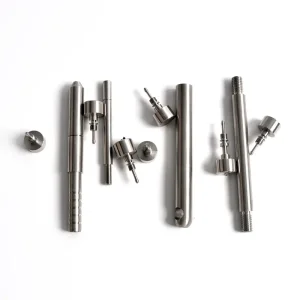
Custom 8670 Heat Treat Supplier & Factories

The Ultimate Industrial Whitepaper on Precision Metallurgy, 8670 High-Carbon Nickel Alloy Optimization, and Global Manufacturing Logistics.

8670 Heat Treat: The Nexus of Toughness and Hardness

In the modern industrial landscape, 8670 steel has emerged as a powerhouse for applications requiring extreme impact resistance and structural integrity. Originally utilized heavily in the manufacturing of large industrial saw blades, 8670 is a high-carbon alloy enriched with Nickel (Ni), Chromium (Cr), and Manganese (Mn). The "Custom" aspect of its heat treatment is what separates a standard component from a high-performance industrial asset.

"The presence of Nickel in 8670 provides a unique grain structure that, when heat-treated correctly, offers a level of toughness that outperforms traditional 1095 or O1 steels in high-shock environments."

Metallurgical Information Gain

Unlike standard carbon steels, 8670 requires a specific TTT (Time-Temperature-Transformation) curve analysis. For optimal performance:

  • Austenitizing: Heat to 1475°F - 1525°F (800°C - 830°C).
  • Quenching: Fast oil quench is mandatory to transform austenite into martensite without precipitating brittle pearlite.
  • Tempering: Double tempering is recommended to stabilize the retained austenite, typically between 300°F and 450°F depending on the target HRC (usually 54-60).

Global Business & Industrial Landscape

🌐 Global Supply Chain Resilience

As manufacturing shifts toward specialized alloys, the demand for 8670 heat treat factories in Asia and North America has surged. Industries are moving away from "generalist" heat treaters toward specialized facilities that understand the nuances of high-nickel alloys to avoid micro-cracking during the quench phase.

🏭 Industrial Convergence

We are seeing 8670 being adopted in the Automotive EV sector for high-torque gearing and in Aerospace ground support equipment. The material’s ability to maintain a sharp edge while resisting catastrophic failure makes it the preferred choice for modern "Extreme Duty" components.

📈 Market Growth Factors

The global CNC machining market is projected to reach $128 billion by 2030. Within this, specialized heat treatment services like those for 8670 are growing at a 7.4% CAGR, driven by the need for more durable tooling in automated factory environments.
Precision Manufacturing & Quality Assurance

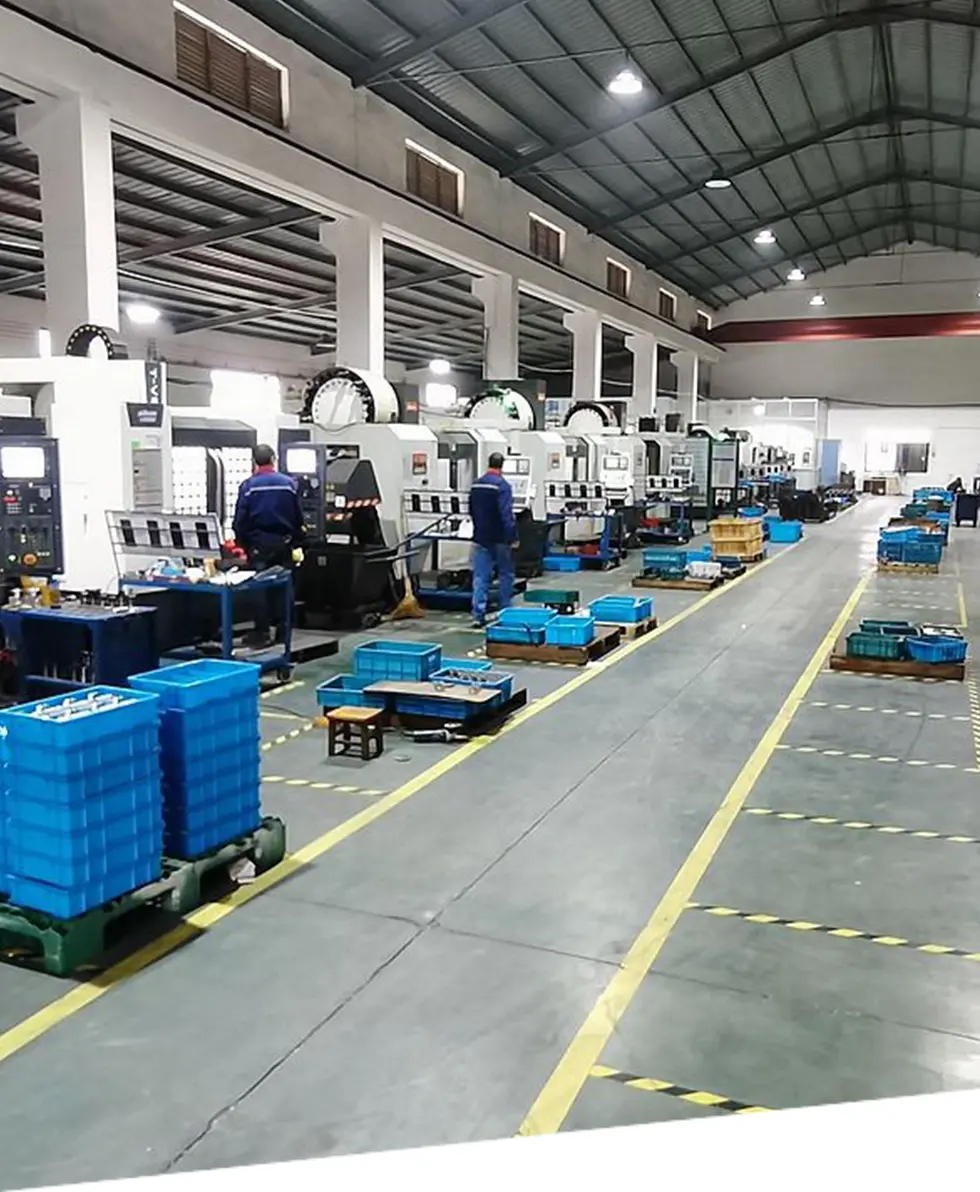
Hongrui Facility

About Our Company: Hongrui Model Technology

Dongguan Hongrui Model Technology Co., Ltd. was established in 2019 with a registered capital of 5 million yuan and currently employs over 100 people. We are one of the best rapid prototyping companies in China, specializing in low-cost OEM CNC machining parts manufacturing.

Our products are mainly used in industries such as automotive, medical, electronic, aerospace, machinery, communications, toys, and smart devices. In 2020, we passed the quality system audit by SGS company, and in 2023, we obtained the "GB/119001-2016 ISO 9001:2015" certificate.
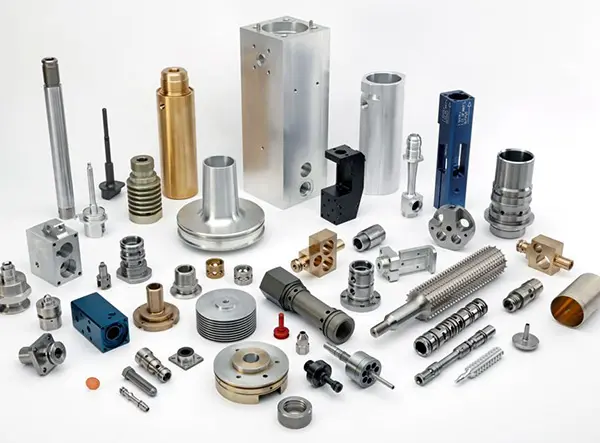
"Hongrui strictly implements the provisions of ISO, guaranteeing the product quality and customer satisfaction of CNC machining through meticulous management details."
50+ CNC Machine Tools
±0.005mm Optimal Tolerance
100+ Technical Staff
ISO 9001 Certified Quality

Localized Support & Compliance

CNC Machining Capacity

Application Scenarios for 8670 Components

  • Agricultural Machinery: Tilling blades and harvester components that encounter rocks and high-impact debris.
  • Heavy-Duty Tooling: Custom punches and dies that require high toughness to prevent chipping.
  • Tactical Gear: High-end industrial cutlery and breaching tools for emergency services.
  • Automotive Transmissions: Splined shafts and gears where fatigue resistance is paramount.

Compliance & Global Standards

Our 8670 heat treatment processes comply with ASTM A29 standards for alloy steel and AMS 2759 for heat treatment of steel parts. For our global clients, we ensure REACH and RoHS compliance in all finishing processes, including sandblasting and vibration finishing.

Technical Roadmap & Future Outlook

🚀 AI-Driven Thermal Profiling

By 2025, Hongrui is integrating AI sensors into our heat treatment furnaces to monitor real-time carbon potential and temperature fluctuations, ensuring 100% batch consistency for 8670 alloys.

🔬 Nano-Crystalline Optimization

Research is underway into cryogenic treatment cycles following the standard 8670 heat treat to further refine grain size and increase wear resistance by up to 25% without sacrificing toughness.

♻️ Sustainable Metallurgy

Moving toward vacuum heat treatment to eliminate oxidation and reduce the need for aggressive chemical cleaning, aligning with global ESG goals.
Frequently Asked Questions (FAQ)

What is the ideal Rockwell hardness for 8670 steel after heat treatment?
For heavy-duty industrial tools, an HRC of 54-56 is ideal. For cutting tools, it can be pushed to 58-60 HRC while still maintaining superior toughness compared to other high-carbon steels.
How does Hongrui control distortion during the 8670 heat treat process?
We utilize precision racking and controlled atmosphere furnaces, followed by a stepped oil quench and immediate stress relieving to minimize dimensional changes.
Does 8670 steel require a specialized quenching oil?
Yes, a fast-quench oil is required due to the cooling rate needed to bypass the "nose" of the TTT curve and achieve a fully martensitic structure.
What surface treatments are compatible with 8670 parts?
As mentioned in our capabilities, we offer anodizing (for aluminum components in the same assembly), sandblasting, polishing, and specialized rust removal for 8670.