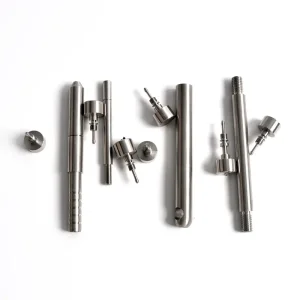
The global demand for coarse knurled components has surged by 14% annually. As industrial equipment becomes more complex, the need for high-friction, "no-slip" surfaces in high-torque environments is critical. From heavy machinery handles to aerospace fasteners, coarse knurling provides the mechanical advantage required for safety and efficiency.
Modern coarse knurl manufacturing is no longer just about aesthetics. Integrating CNC precision with automated knurling tools allows for pitch accuracy down to microns. This is essential for components that must interface with automated robotic grippers in smart factories.
We are seeing a shift from standard carbon steel to high-grade Titanium, Inconel, and surgical-grade Stainless Steel. Coarse knurling on these materials requires specialized tooling and heat management to prevent "work hardening" while ensuring the pattern depth remains consistent.
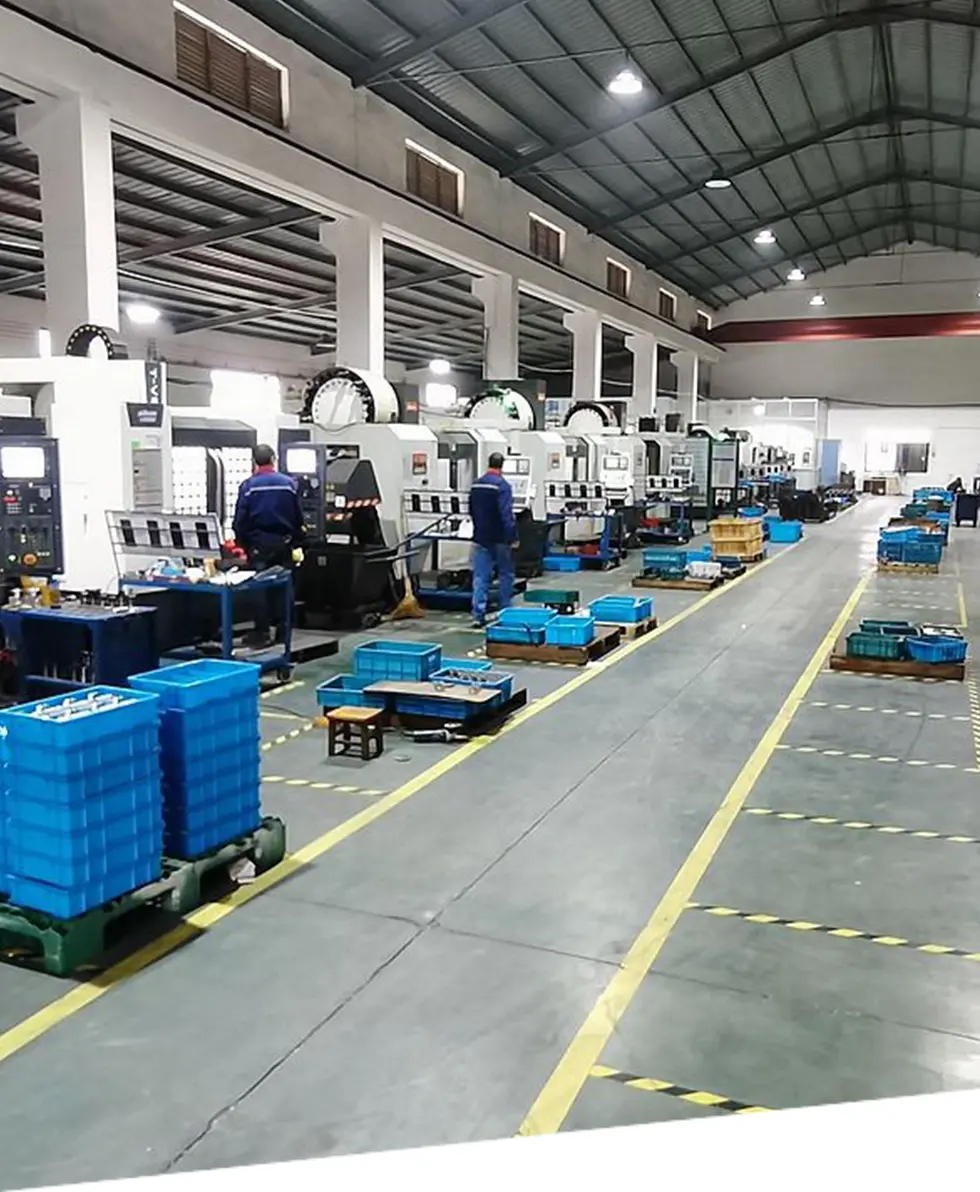
Established in 2019, Dongguan Hongrui Model Technology Co., Ltd. is a premier rapid prototyping company in China. With a registered capital of 5 million yuan and a dedicated workforce of over 100 professionals, we specialize in low-cost OEM CNC machining parts manufacturing.
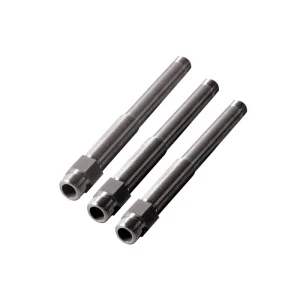
Coarse knurling is typically defined by a pitch ranging from 1.5mm to 2.0mm (12 to 20 TPI). Unlike fine knurling, coarse patterns are designed for maximum material displacement or aggressive cutting to provide a grip that works even through heavy industrial lubricants or thick gloves.
Forming: Displaces material using pressure. Increases part diameter. Best for ductile metals like Aluminum or Brass.
Cutting: Removes material using sharp wheels. Maintains higher dimensional accuracy. Necessary for hard alloys like Stainless Steel 316.
We offer Diamond (Male/Female), Straight (Longitudinal), and Cross patterns. For coarse knurls, the "sharpness" of the diamond peak is calculated based on the required coefficient of friction (CoF).
Coarse knurls often have sharp edges. Our process includes electrolytic polishing or controlled sandblasting to ensure the grip is effective but safe for human contact.
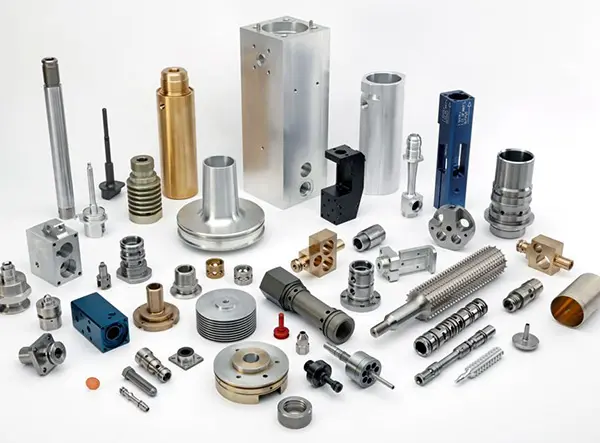
Our vertical, horizontal, 3-axis, 4-axis, and 5-axis CNC capabilities allow us to tackle the most complex coarse knurling geometries on materials including Titanium, Cobalt, Nickel, and Tungsten.
Coarse knurling on surgical tool handles ensures surgeons maintain a steady grip during fluid-intensive procedures. Our 5-axis machining ensures zero-micro-crack surfaces for sterilization compliance.
High-performance gear shift knobs, adjustment pins, and specialized fasteners utilize coarse diamond knurls for high-torque manual adjustments.
Captive screws and panel fasteners require coarse knurling for "tool-less" operation in extreme environments, where maintenance might be done with thick protective gloves.
As we look toward 2030, the Coarse Knurl Manufacturing industry is moving toward "Functional Surfaces." This includes laser-ablated knurling for nano-level precision and hybrid additive-subtractive manufacturing. Hongrui is at the forefront of these trends, investing in AI-driven toolpath optimization to reduce waste and increase the durability of every textured surface we produce.
 Hongrui Model