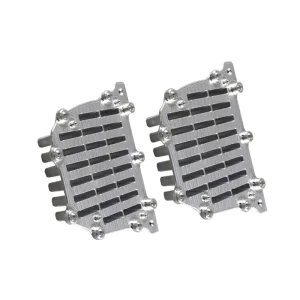
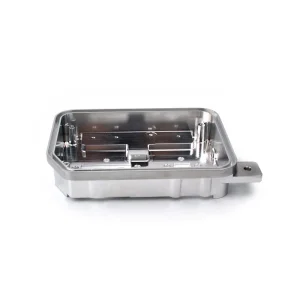
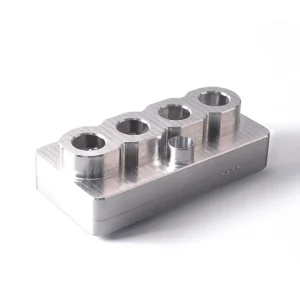
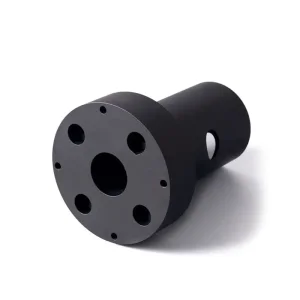
In the modern landscape of high-precision manufacturing, Custom Cross Knurling has transcended its origins as a simple tactile grip. Today, it represents a critical intersection of material science and mechanical engineering. Global industries—from aerospace to medical devices—rely on cross knurling (also known as diamond knurling) to ensure functional reliability in extreme environments. Unlike linear knurling, the cross pattern provides multi-directional friction, essential for surgical tools, aerospace toggles, and high-torque industrial knobs.
The current global business status for knurling manufacturers is shifting toward "Micro-Knurling" and "Precision Displacement." As devices become smaller, the need for manufacturers to control tooth pitch and angle with sub-micron accuracy has skyrocketed. Leading factories are no longer just using manual lathes; they are deploying 5-axis CNC machining centers to create complex, non-standard patterns that optimize the "Information Gain" of the physical user interface. This evolution allows for better ergonomics, improved heat dissipation, and superior aesthetic branding for OEM products.
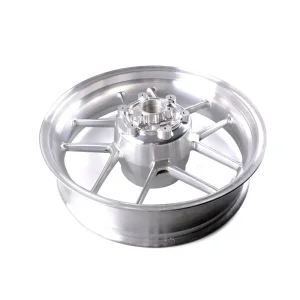
Hongrui operates a massive fleet of 50+ CNC machine tools, including vertical, horizontal, three-axis, four-axis, and five-axis centers. This diverse capacity allows us to execute cross knurling on curved surfaces and complex geometries that traditional factories cannot handle.
Our engineering team maintains an optimal tolerance control within ±0.0002 inches (±0.005 mm). This level of precision is critical for cross-knurled parts in the medical and aerospace sectors where fitment and grip-texture consistency are non-negotiable.
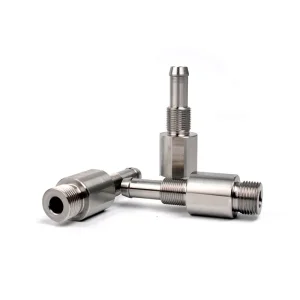
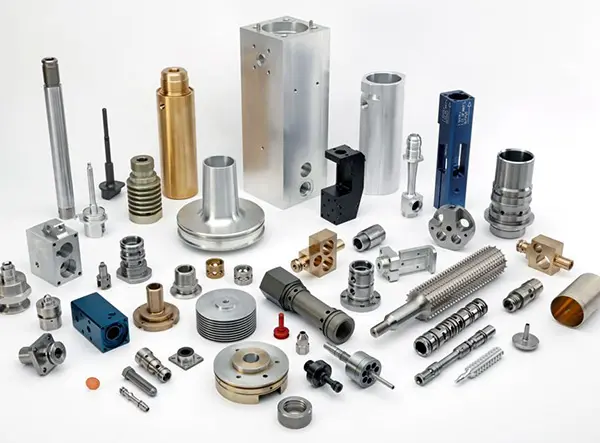
We process a vast array of high-grade materials: Aluminum, Stainless Steel, Copper, Nickel, Cobalt, Tungsten, and Titanium. Our specialized diamond-knurling tools are calibrated specifically for the displacement characteristics of each metal to prevent stress fractures.
In the context of "Search Intent Mining," global buyers are looking for more than just low prices; they are looking for supply chain resilience and production speed. China's manufacturing ecosystem, specifically in hubs like Dongguan, offers a unique advantage for Custom Cross Knurling Factories:
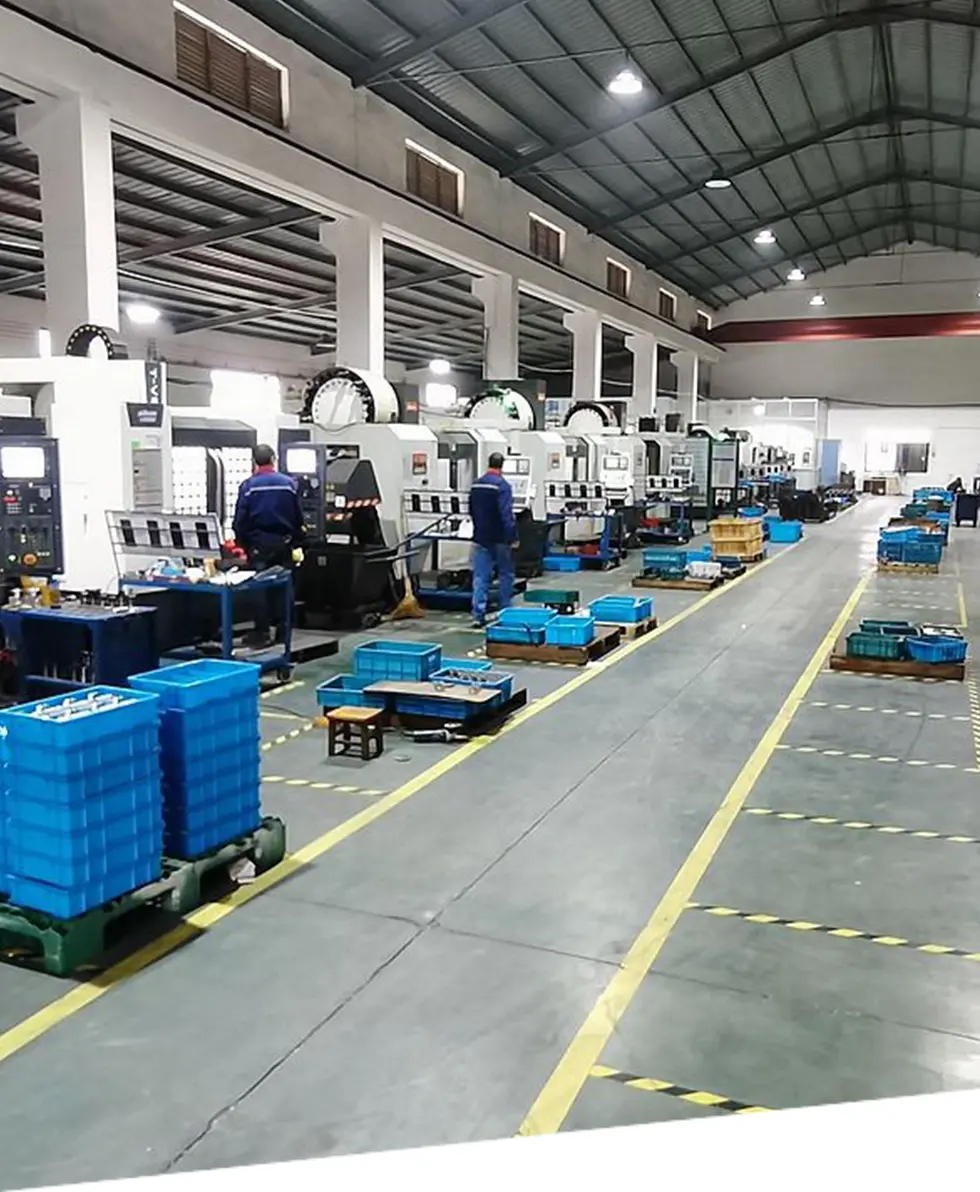
Dongguan Hongrui Model Technology Co., Ltd. (established 2019) is a premier rapid prototyping and CNC manufacturing leader in China. With a registered capital of 5 million yuan and a dedicated workforce of over 100 professionals, we specialize in low-cost OEM CNC machining parts.
Our commitment to excellence is backed by the GB/119001-2016 ISO 9001:2015 certificate and SGS environmental audits. We strictly implement ISO provisions to guarantee that every cross-knurled part meets the highest international standards of reliability and performance.
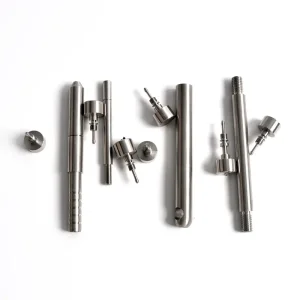
Custom cross knurling is vital for surgical handles and dental tools, providing a non-slip surface that can withstand rigorous sterilization processes (Autoclave). The trend is moving towards micro-diamond patterns for better ergonomics.
Used in cockpit controls and adjustment knobs where tactile feedback is critical even when operators are wearing gloves. High-precision materials like Titanium and Nickel alloys are preferred here.
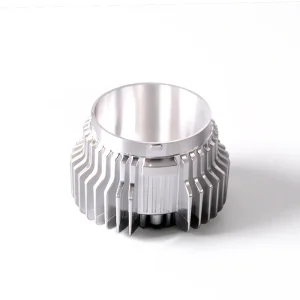
As Electric Vehicles (EVs) demand lighter parts, we apply knurling to specialized aluminum fasteners and cooling system components to increase surface area and mechanical bonding strength.
Most cross knurling manufacturers use form-knurling (displacement), which pushes the metal to create peaks. However, for hard materials like stainless steel, Hongrui employs cut-knurling. This process removes material to create the pattern, resulting in sharper teeth and zero stress on the part's core—a critical requirement for high-accuracy spindles.
The "Search Intent" of an engineer often revolves around the 'Pitch' (0.5mm to 2.0mm). A finer pitch (0.5mm) is ideal for consumer electronics (like camera dials), whereas a coarse pitch (1.5mm+) is used for heavy industrial machinery. Our CNC systems allow for Variable Pitch Knurling, a high-end technique used for aesthetic differentiation.
A knurled part is only as good as its finish. We provide integrated solutions: Anodizing (Type II & III), Electropolishing, and PVD Coating. These treatments ensure that the cross-knurled peaks do not wear down and remain corrosion-resistant in marine or medical environments.
A: Aluminum and brass are the easiest to knurl via displacement. However, for industrial durability, 303/304 Stainless Steel and Titanium are preferred. Our 5-axis CNC machines are specifically calibrated for these harder alloys.
A: Yes. Utilizing our 5-axis machining centers, we can apply knurled textures to ergonomic handles and complex geometries that traditional lathe-based knurling cannot achieve.
A: Knurling increases the outer diameter of a part. Our engineers calculate the "Blank Diameter" precisely so that the post-knurling "Major Diameter" meets your exact blueprint specifications.
A: We specialize in both rapid prototyping (1-10 pcs) and low-to-medium volume production (1,000+ pcs). Our 50+ CNC machines ensure scalability for any project size.
 Hongrui Model