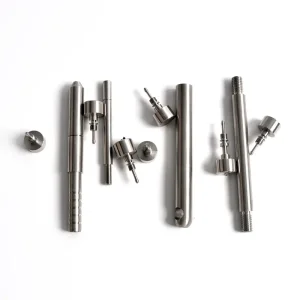
Explore our premier array of advanced components, high-precision tooling, and multi-axis CNC processing configurations optimized for international industrial deployment.
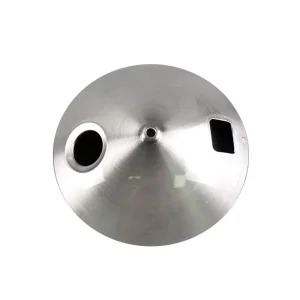
The confluence of aerospace branding, precision metallurgy, and ultra-high-fidelity miniature collectibles.
In the modern aviation ecosystem, custom diecast airliners serve as crucial touchpoints for airline branding, public relations, pilot commemoration, and passionate collector markets globally. Once treated as mere promotional novelties, diecast models have evolved into highly detailed industrial artifacts. Today, they are manufactured with molecular precision to mirror actual Boeing, Airbus, Embraer, and COMAC configurations.
Global airlines utilize these models for VIP branding initiatives, promotional inaugurations, and commercial in-flight merchandise. Meanwhile, aircraft manufacturers depend on extreme-accuracy replicas for wind-tunnel conceptualizations and corporate boardroom displays. Securing a reliable manufacturing partner capable of converting CAD blueprints into flawless 1:200, 1:400, or 1:500 scale metal structures is a top priority for aviation procurement executives globally.
Aerospace partners require scale models that perfectly replicate fuselage curvature, aerodynamic wingspans, and landing gear mechanisms with zero margin of error.
Premium zinc-aluminum (Zamak) alloys are utilized to achieve the iconic heavy weight, structural durability, and pristine tactile finish desired by global buyers.
Implementing sophisticated multi-colored airline liveries requires state-of-the-art pad printing, automated masking, and UV-cured electrostatic painting lines.
How Dongguan Hongrui Model Technology Co., Ltd. leads rapid prototyping and high-precision OEM production.
When engineering high-fidelity diecast models, the foundational quality is determined by the mold-making and machining process. Dongguan Hongrui Model Technology Co., Ltd., established in 2019, operates as an elite tier-1 rapid prototyping and manufacturing company in China. Backed by a registered capital of 5 million yuan and a dedicated workforce of over 100 highly skilled technicians, Hongrui represents the pinnacle of cost-effective OEM CNC parts manufacturing.
Through systematic supply chain integration, Chinese factories deliver unrivaled turnaround speeds and manufacturing adaptability. By combining raw Zamak casting methods with Hongrui's core expertise in multi-axis CNC milling, turning, and micro-precision drilling, we construct diecast molds that retain tight details. This ensures sharp panel lines, micro-antennas, and flawless landing gear bays on finished scale airliners.
The step-by-step technological process involved in translating raw aerospace concepts into premium diecast models.
Utilizing high-end CAD software, aircraft blueprints are scaled down. Our 5-axis CNC machining centers then carve high-tensile steel toolings. This guarantees mold longevity and perfect geometric fidelity.
Zinc-aluminum alloys are injected under high pressure. Excess metal flash is eliminated using precision automated grinding and deburring machinery. This maintains seamless aerodynamic outer skins.
Surface treatments involve rust removal, specialized anodizing, and primer applications. Detailed decals, cabin windows, and complex aircraft liveries are printed onto the fuselage using multi-stage silicone pads.
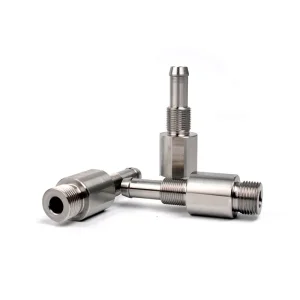
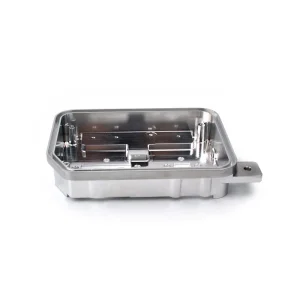
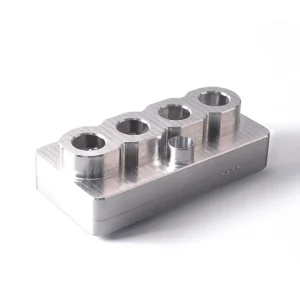
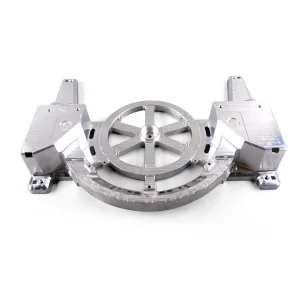
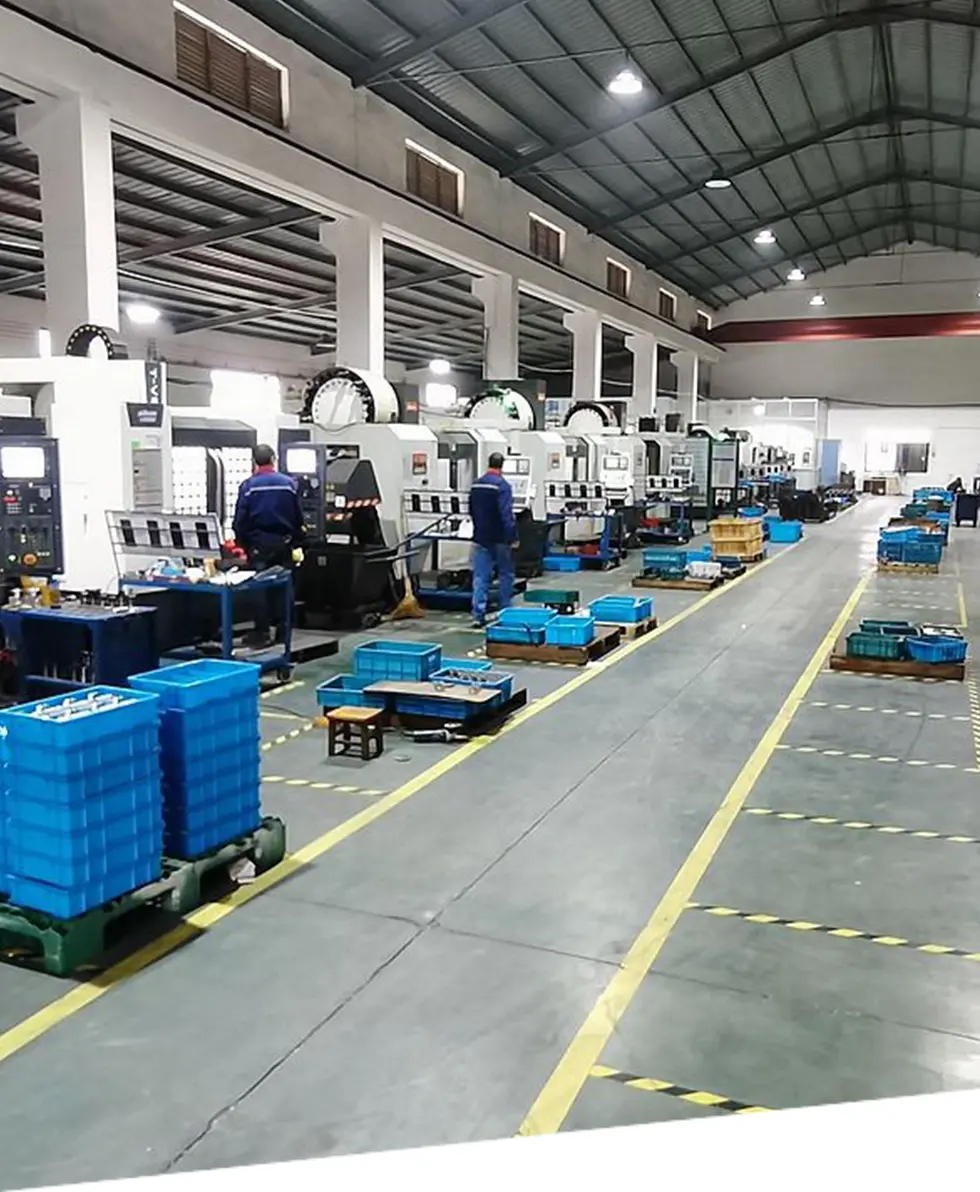
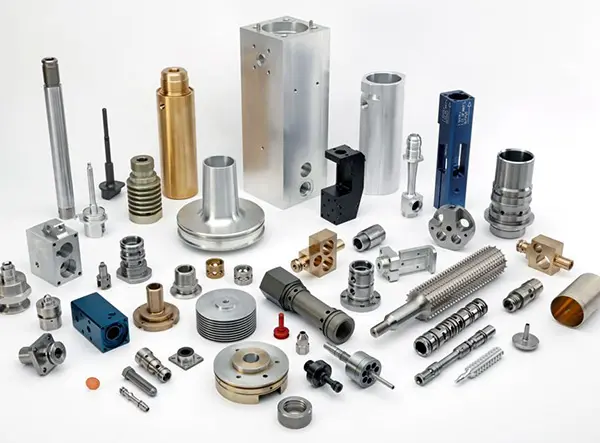
Factory Capacity Overview: Hongrui operates a highly integrated workshop housing 50 CNC machine tools, including vertical, horizontal, three-axis, four-axis, and five-axis CNC setups. Our capabilities extend across premium materials: aluminum, stainless steel, copper, nickel, cobalt, tungsten, titanium, and diverse technical plastics. Secondary processes include grinding, milling, turning, deburring, drilling, tapping, sandblasting, polishing, vibration finishing, pressure testing, cleaning, and professional mechanical assembly.
Tailoring aerospace manufacturing output to satisfy diverse global industries, regulatory laws, and corporate goals.
The application of diecast airliners extends beyond consumer collectibles. Locally, international airlines, defense contractors, and airport terminal authorities rely heavily on scaled visual representations for operations and public engagement:
Securing international trust through rigorous regulatory adherence and mechanical audits.
Entering international retail channels or military contracts requires adherence to strict safety and chemical rules. Our production lines conform to RoHS and REACH criteria, ensuring all zinc alloys, high-impact polymers, primers, and topcoats are non-hazardous, heavy metal-free, and lead-safe.
Our quality control protocol involves rigorous testing phases: mechanical drop tests to verify structural integrity, cross-cut adhesion tests for livery print durability, and salt-spray testing to confirm oxidation resistance on metal parts. Our environmental dedication is backed by our SGS environmental system audit passed in 2023, making us an environmentally responsible partner for modern aerospace brands.
Authoritative answers to critical engineering, manufacturing, and logistic inquiries.
Zamak zinc-aluminum alloy is the industry standard for diecast airliners due to its high density, heavy weight, and excellent fluid casting capabilities, allowing for incredibly intricate mold details. Aluminum, being lighter, is preferred for large-scale desktop aircraft models (e.g., 1:100 scale) where minimizing structural weight is crucial to reduce pressure on stands and displays.
We employ a fleet of over 50 CNC machine tools, including vertical, horizontal, and 3-axis to 5-axis systems. This technology lets us maintain tolerances within ±0.0002 inches (±0.005 mm), ensuring the tooling mold perfectly replicates the exact sweep, taper, and aspect ratio of actual commercial aircraft wings and engines.
We offer an expansive suite of surface finishing methods. This includes chemical rust removal, advanced anodizing, sandblasting, mirror polishing, electrostatic powder painting, and multi-color pad printing. We can also handle high-resolution water-slide decaling for custom low-volume requests.
Yes. Using our specialized rapid prototyping systems, we can fabricate functional visual models using high-grade engineering plastics or aluminum blocks within days. This allows aerospace executives to verify the physical structure, weight distribution, and livery placement before investing in steel casting molds.
In 2023, Hongrui successfully passed the rigorous environmental system audit managed by SGS. We employ closed-loop solvent treatment plants and lead-free painting zones, ensuring all outputs comply with EN71, ASTM F963, and REACH requirements.
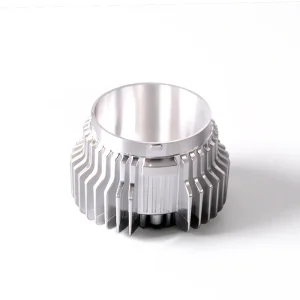
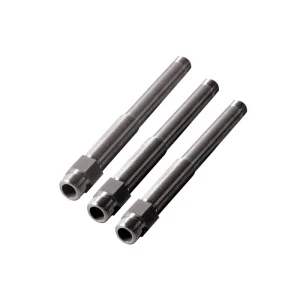
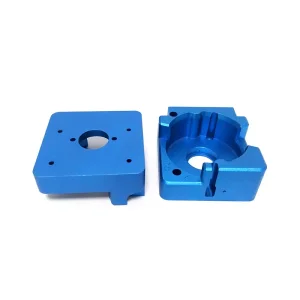
High-quality CNC options, Swiss precision turnings, and product development tooling configurations.
 Hongrui Model