In high-precision mechanical engineering, double knurling (commonly referred to as cross-hatch or diamond knurling) represents a critical geometric surface modification. Unlike straight knurling, which only provides resistance to rotational slippage, double knurling features intersecting helical grooves (typically cut at 30° or 45° angles). This unique configuration provides omnidirectional grip and robust mechanical interlocking, making it indispensable for parts subjected to high torque, axial loads, and severe vibrations.
As a leading Custom Double Knurling Manufacturer & Factory, Dongguan Hongrui Model Technology Co., Ltd. excels at transforming complex architectural grip specifications into tight-tolerance realities. By integrating advanced multi-axis CNC Swiss lathes, turning centers, and cutting-edge work-holding mechanisms, we provide high-performance solutions for demanding industries worldwide.
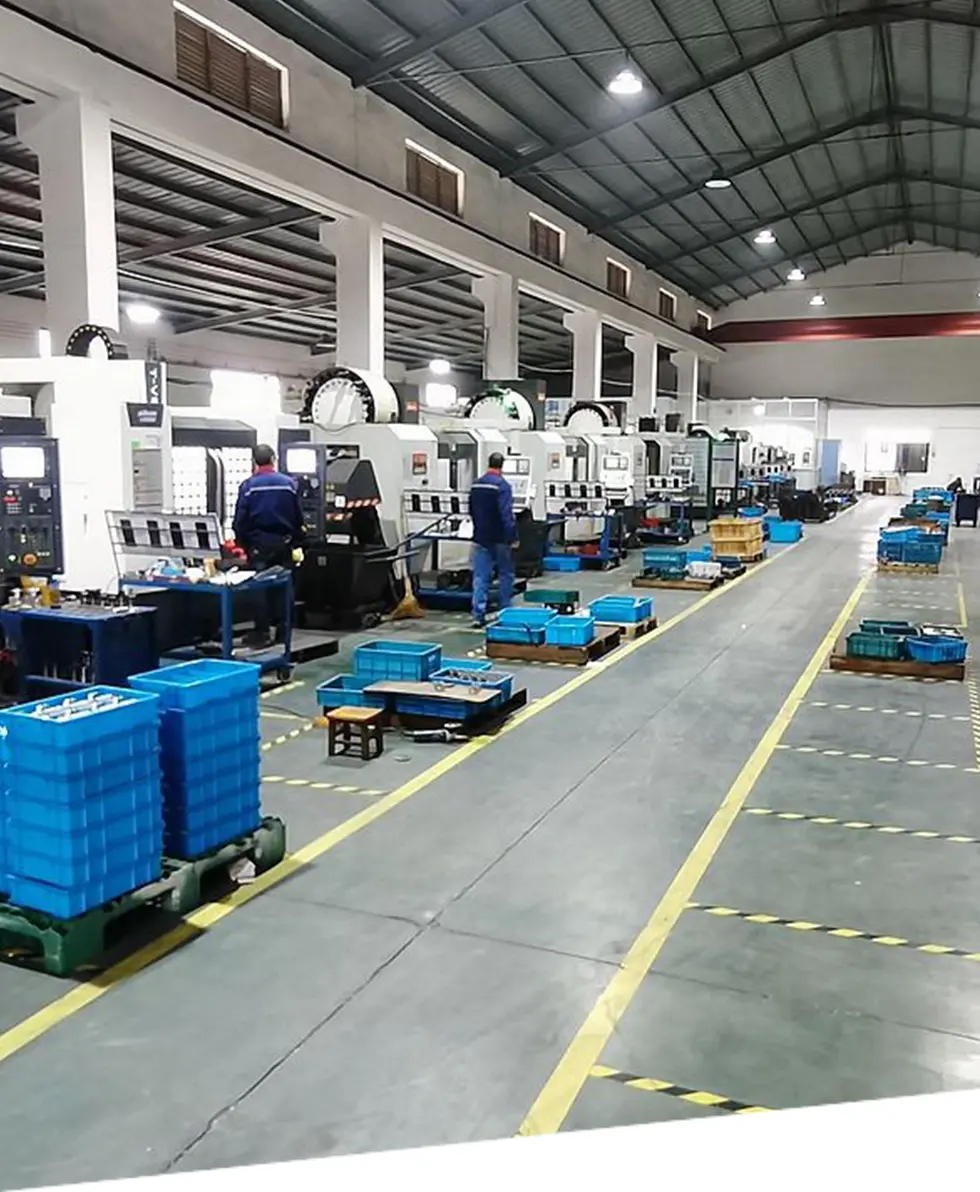
A look at the numbers driving our industry-leading rapid prototyping and high-precision CNC manufacturing facility.
Unlocking extreme performance through state-of-the-art machinery and advanced metallurgical processing.
Our workshop features over 50 CNC machine tools, including vertical, horizontal, three-axis, four-axis, and five-axis CNC machining centers. This robust equipment fleet allows us to manufacture complex double-knurled geometries alongside complementary milling, drilling, and slotting operations in a single setup, drastically reducing delivery times.
We routinely manufacture high-precision components with tolerances controlled down to ±0.0002 inches (±0.005 mm). By monitoring environmental conditions and thermal expansion during cutting, we ensure that every knurled crest and valley aligns with your exact assembly drawings.
Our material processing scope goes far beyond ordinary steel. We work with everything from standard aluminum and stainless steel to premium engineering materials like copper, nickel, cobalt, tungsten, titanium, as well as various high-performance industrial plastics. Each material is processed using custom speed and feed rates to prevent premature tooling wear.
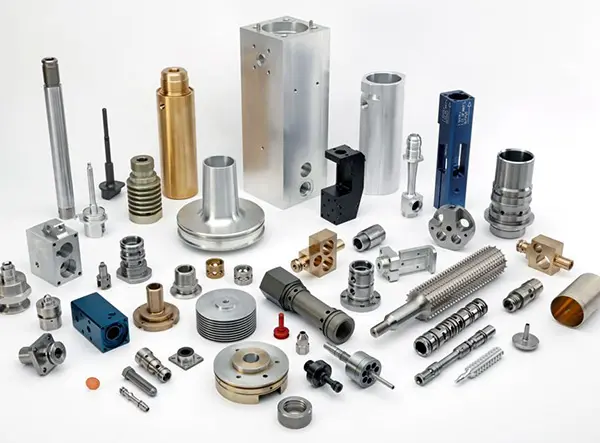
At Dongguan Hongrui Model Technology Co., Ltd. (established in 2019, 5 million RMB registered capital), we prioritize rigorous and measurable quality management. In 2020, we successfully passed our initial quality system audit by SGS, and in 2023, we obtained our formal "GB/T19001-2016 / ISO 9001:2015" certification. In the same year, our manufacturing plant successfully completed the SGS environmental system audit.
This structured approach translates into real-world manufacturing reliability. Every custom double knurling production run undergoes comprehensive mechanical inspection, including optical profile projectors, digital micrometers, and thread go/no-go gauges. This ensures that every knurled shaft, insert, and custom hardware item meets the most demanding automotive, aerospace, and medical engineering standards.
Beyond machining, we offer a comprehensive suite of in-house surface finishing and secondary processing services, including: grinding, milling, turning, deburring, drilling, rust removal, tapping, sandblasting, polishing, vibration finishing, pressure testing, cleaning, and complex assembly work.
Helping modern engineering and sourcing teams minimize supply chain risk through highly optimized high-mix, low-to-medium-volume production.
In today's fast-changing global manufacturing environment, procurement teams face significant volatility, ranging from fluctuating raw material costs to logistics constraints. Sourcing custom double-knurled hardware requires an experienced partner who understands the balance between structural integrity and cost efficiency.
Addressing the "Total Cost of Ownership" (TCO): Sourcing components internationally is about much more than just the piece-part cost. It encompasses logistics, quality control, engineering alignment, and compliance. Our facility mitigates these challenges by providing rapid DFM (Design for Manufacturability) analysis, detailed material certifications, and direct engineering-to-engineering communication. This structured approach helps prevent communication breakdowns and shortens development cycles.
Our rapid prototyping services allow engineering groups to test out functional physical prototypes before committing to mass production. Whether you need a small batch of 10 pilot-run shafts for stress testing or 100,000 production units, our flexible manufacturing system easily scales to meet your requirements. By combining 3-axis, 4-axis, and 5-axis machines with multi-station CNC turning centers, we optimize cycle times for both simple and highly complex part geometries.
A technical engineering analysis of two primary double-knurling methodologies and their ideal industrial applications.
Form knurling relies on extreme mechanical pressure to cold-form the workpiece material, plastically displacing it into a diamond pattern. This work-hardens the surface, making it excellent for ductile metals like mild steel, brass, and aluminum. However, because it exerts high radial forces on the machine spindle and part, it is generally limited to stiffer workpieces.
Cut knurling utilizes specialized tools to actively cut the cross-hatch pattern into the workpiece, generating actual chips. By significantly reducing radial pressure, it prevents thin-walled parts from deflecting or collapsing. Cut knurling delivers clean, sharp knurl profiles on hard materials like stainless steel, titanium, and cobalt-chrome alloys.
Selecting the right technique depends on your design requirements, including: workpiece wall thickness, dimensional tolerance (e.g., DIN 82 standards), and raw material hardness. Our engineers review your specifications to select the optimal manufacturing path, ensuring consistent quality and cost control.
How we are integrating AI and smart manufacturing to lead the next generation of precision component production.
As part of our commitment to forward-looking manufacturing, Dongguan Hongrui Model Technology is continually investing in advanced technologies. Our development roadmap focuses on three main areas: digital manufacturing, automated inspection, and smart resource allocation.
1. Automated Metrology & Machine Vision: Traditional manual knurling inspections are being phased out in favor of automated optical inspection (AOI) systems. By integrating high-resolution digital cameras and laser scanners directly onto our CNC turning centers, we can measure knurling depth, pitch angles, and profile consistency in real-time, preventing out-of-tolerance parts from ever leaving the machine.
2. Smart Tool Wear Predictive Modeling: Knurling tools experience intense friction, heat, and pressure, especially when cutting tough materials like stainless steel, titanium, and nickel alloys. We are integrating load monitoring sensors into our CNC machining centers to predict tool wear before it compromises part quality. This minimizes downtime and ensures that every single part in a high-volume run remains perfectly uniform.
3. Sustainable Manufacturing: In modern manufacturing, environmental responsibility is no longer optional. Having passed the SGS environmental system audit in 2023, we continue to implement clean production processes, including advanced coolant filtration, high-efficiency chip extraction, and comprehensive metal scrap recycling systems.
Clear, direct answers to common questions about double-knurled components, design guidelines, and manufacturing limits.
 Hongrui Model