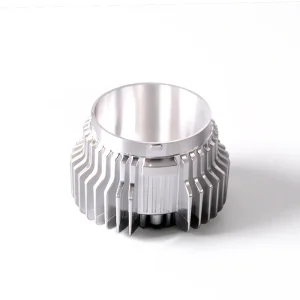
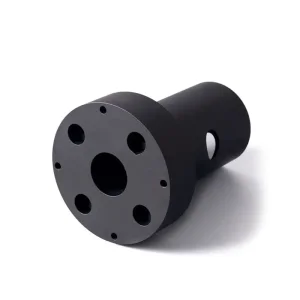
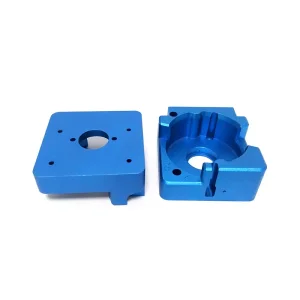
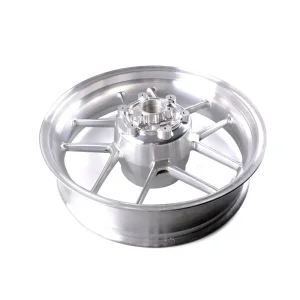
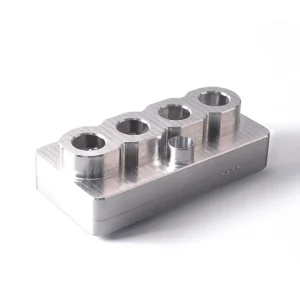
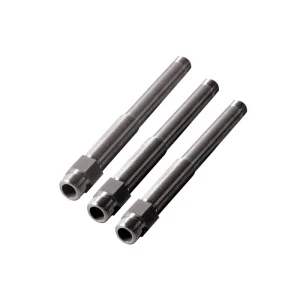
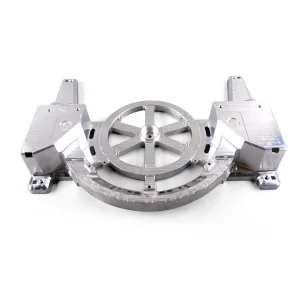
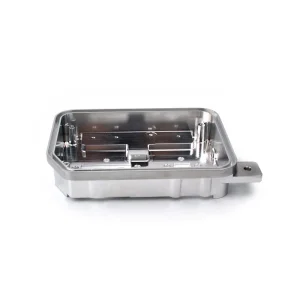
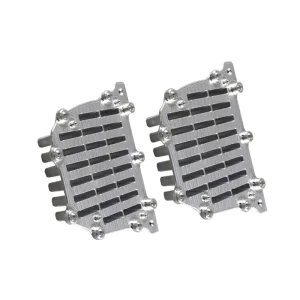
In modern precision assembly engineering, female knurling acts as the critical structural interface that ensures torque transmission, pull-out resistance, and rotational stability between metal and non-metal elements. Unlike male knurling, which textures the outer surface of a cylinder, female knurling structures the internal cylinder wall. Achieving clean, micro-precise internal configurations requires an intimate knowledge of mechanical shear planes, metal plastification behavior, and micro-machining dynamics.
The interlocking mechanical structure prevents structural slip when subject to radial torque. We engineer geometric profiles to balance shear planes, ensuring parts remain locked under extreme mechanical loads.
For metal-to-metal inserts, a precise knurl crest diameter is crucial. The displacement of metal during insertion increases pressure contact, allowing high friction limits without damaging the mating housing.
For high-strength plastics, custom designed female knurls allow molten thermoplastic polymer to flow smoothly into the channels, maximizing surface contact area and avoiding local stress hot-spots.
To guarantee structural longevity, three primary variables are continuously monitored and controlled: 1. Diametrical Pitch (DP): The density of the knurling peaks which determines the mechanical interlocking surface area; 2. Helix Angles: Varying from straight 0-degree orientations to helical cross-hatched patterns ranging between 30 and 45 degrees; 3. Tooth Depth (h): The height difference between the base root and the outermost knurl crest.
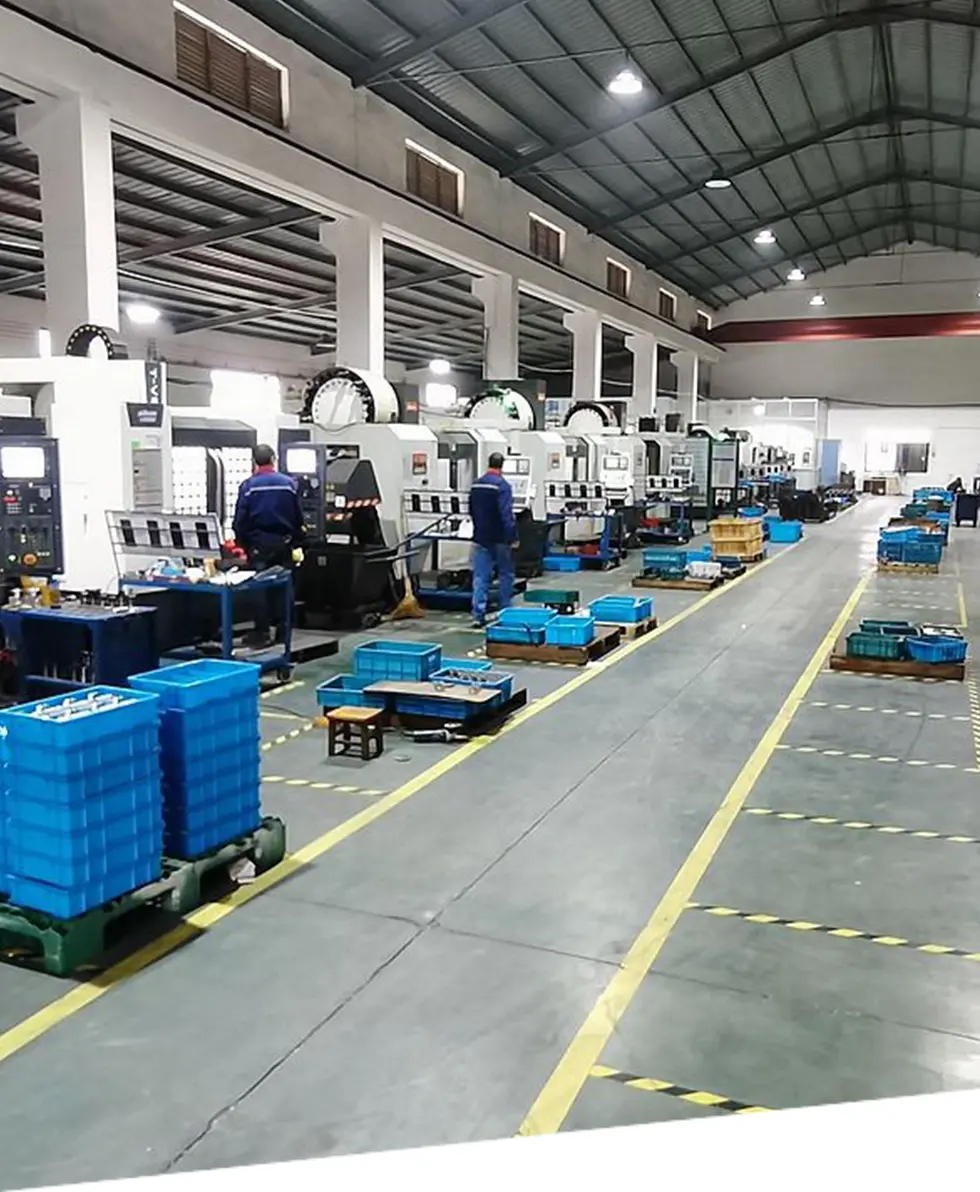
Established in 2019 with a registered capital of 5 million yuan and housing a highly dedicated work force of over 100 people, Hongrui stands at the global forefront of high-precision OEM CNC machining and rapid prototyping services. Strategically operating out of Dongguan, China, we specialize in low-cost, exceptionally high-accuracy component manufacturing that services critical international supply chains.
Our core mission revolves around delivering structural integrity where normal manufacturing methods fail. By implementing rigorous quality checks, continuous technician training, and capital investments, we service demanding industries such as automotive, medical, electronic components, aerospace structures, communication infrastructures, high-end toy designs, and smart consumer devices.
The global demand for custom female knurled parts and internal inserts is shifting rapidly towards high tensile performance, strict chemical compliance, and trace-certified raw materials. Multi-billion dollar supply networks within highly regulated industries can no longer tolerate batch inconsistencies, highlighting the need for specialized service suppliers.
Electrification requires heavy-weight reduction using polymer components. Threaded female knurls embedded into light alloys or high-performance thermoplastics provide solid electrical contact and high mechanical attachment points under continuous vibration.
Surgical instruments and diagnostic housings rely on internal knurled inserts to ensure zero slip during high-precision surgical alignments. These parts require biologically inert alloys like Grade 5 Titanium or 316L VM Stainless Steel.
Miniaturization demands micro-knurling features down to 0.1mm tooth pitches. Smart wearables require brass or copper inserts that do not compromise signal transmission or disrupt sensitive magnetic arrays.
Operating out of our fully integrated factory floor, Hongrui maintains 50 advanced CNC machine tools, including top-tier vertical machining setups, horizontal milling stations, and 3-axis, 4-axis, and multi-axis 5-axis CNC machining centers. Our advanced multi-axis layouts allow us to perform complex internal knurling, boring, and tapping operations in a single structural setup, eliminating positioning errors and vastly cutting delivery timelines.
Through rigorous geometric control, our operational tolerances are maintained to ±0.0002 inches (±0.005 mm). This level of repeatability ensures every single batch meets your design assembly parameters without loose fittings or structural gaps.
Expansive Material Catalog: Aluminum alloys (6061-T6, 7075-T6), Stainless Steel grades (303, 304, 316), high-purity Copper, tough Nickel alloys, Cobalt-chrome composites, heat-resistant Tungsten, Grade 5 Titanium, and dynamic structural engineering plastics (PEEK, POM/Delrin, PTFE, Polycarbonate).
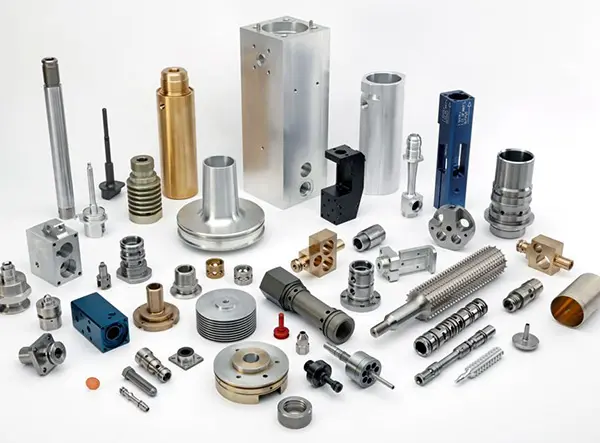
As precision engineering pushes the limits of material thickness and size restrictions, female knurling methods are evolving beyond classical plastic displacement towards high-precision chip-removal machining.
In 2020, Hongrui passed the rigorous quality system audit performed by SGS Company. Demonstrating our ongoing commitment to international excellence, we obtained our official GB/T19001-2016 ISO 9001:2015 certification in 2023. In the same calendar year, we successfully completed the SGS environmental audit, establishing our manufacturing protocols as structurally compliant with global ecological frameworks.
Every process step—from material procurement to initial setup, multi-axis machining, visual check, and packaging—is tracked under ISO 9001:2015 frameworks.
Clean recycling loops for lubricating oils and scrap chips ensure zero-waste goals are achieved while cutting down raw material carbon footprints.
Providing rust removal, automatic internal tapping, micro-grit sandblasting, mirror polishing, chemical deburring, stress relief annealing, and pressure-testing.
Forming uses pressure rollers to displace metal plastically, cold-working the material to create peaks and valleys. It increases hardness but places high strain on the workpiece wall. Cutting actually machines out material chips, making it suitable for thin-walled parts and harder materials where deformation would crack the metal shell.
Coarser knurls (larger pitch) perform better in ductile engineering plastics because they provide deeper mechanical pockets for the polymer to flow into. However, in brittle plastics or thin-walled electronics, fine pitches prevent micro-cracks and material fatigue, which avoids localized mechanical failures.
Our high-precision manufacturing relies on multi-axis Japanese and German Swiss lathes. Our production team uses custom-ground solid carbide internal tools and monitors cutting operations with laser tool setters. This lets us compensate for tool wear in real time before tolerances drift.
We manufacture parts according to major international standards like the DIN 82 specification, which regulates knurled profile shapes (RAA, RBL, RBR, RGE). We also support the ANSI/ASME B94.6 standard for diametral pitch styles, making it easy to integrate our components into global supply chains.
 Hongrui Model