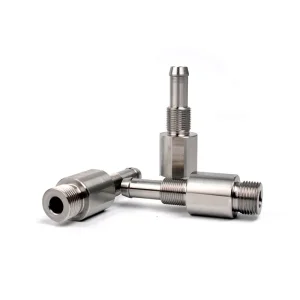
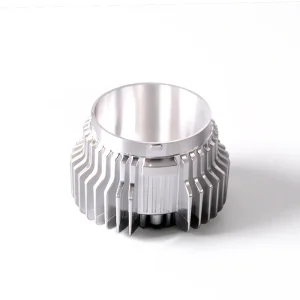
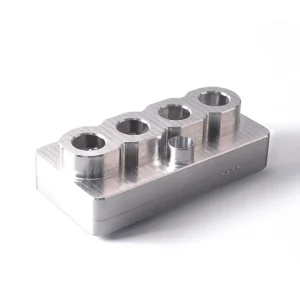
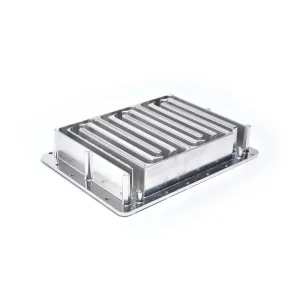
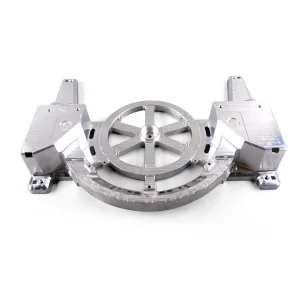
In the contemporary industrial ecosystem, female knurls—also known as internally threaded knurled nuts or inserts—represent a critical interface between aesthetics, ergonomics, and mechanical integrity. As a premier Custom Female Knurls Manufacturer & Factory, we observe a paradigm shift in how these components are utilized globally. No longer viewed as mere "fasteners," female knurls are now integral to the structural assembly of high-end electronics, medical devices, and automotive interior systems.
The global market for precision knurled components is projected to grow significantly as the demand for "lightweighting" in aerospace and EV sectors increases. Female knurls provide the necessary "bite" or grip in plastic-molded parts (via ultrasonic or heat-staking) or as thumb-screws for manual adjustments. The shift toward automated assembly lines necessitates tighter tolerances and higher consistency from manufacturers, a challenge that distinguishes top-tier factories from general workshops.
Modern knurling involves synchronized CNC axis control, allowing for "cut knurling" which offers sharper profiles and cleaner threads than traditional "pressure knurling," ideal for delicate medical tools.
Moving beyond brass, we now process Titanium Gr5, Stainless Steel 316L, and Aerospace Aluminum 7075-T6, offering superior corrosion resistance and strength-to-weight ratios.
Green manufacturing is no longer optional. Leading factories utilize closed-loop coolant systems and 100% recyclable chip recovery to meet international ESG standards.
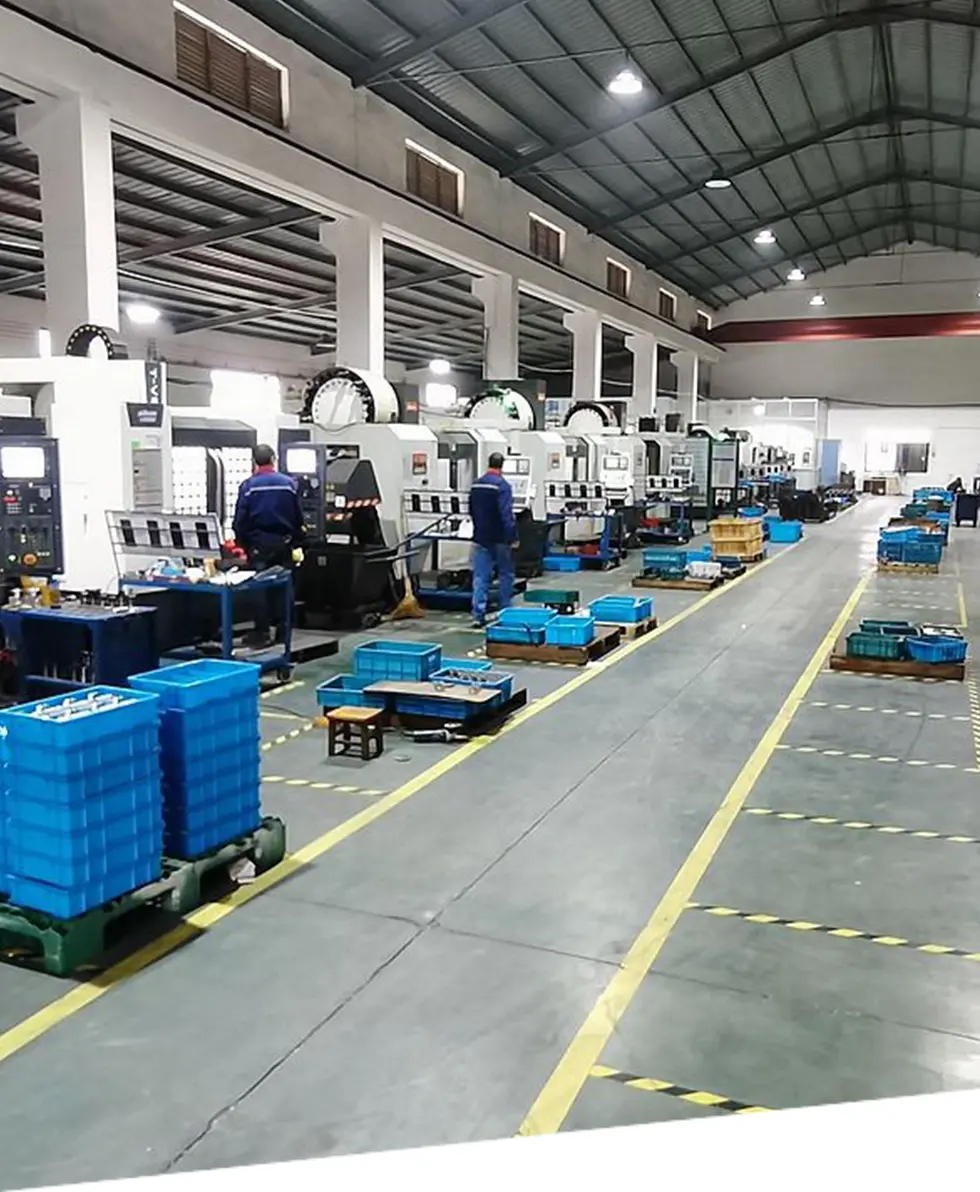
Hongrui is one of the top rapid prototyping companies in China. Established in 2019 with a registered capital of 5 million yuan, we have rapidly expanded to employ over 100 specialized professionals. Our core competency lies in low-cost, high-precision OEM CNC machining parts manufacturing.
Our strategic location in Dongguan—the world's manufacturing hub—allows us to leverage a massive supply chain for raw materials and specialized surface treatments. We serve a diverse range of industries including Automotive, Medical, Electronic, Aerospace, and Smart Devices.
The competitive advantage of a Chinese knurling factory like Hongrui extends beyond just labor costs. It is about "Manufacturing Agility." In the West, a custom knurl prototype might take 4 weeks; in Dongguan, we deliver in 5-7 days. This efficiency is driven by:
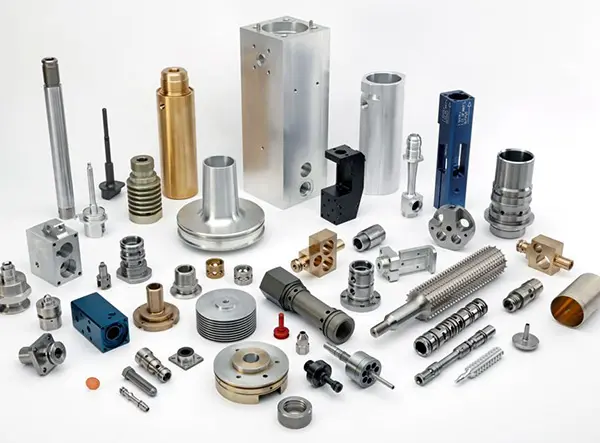
Optimal tolerance control within ±0.0002 inches and ±0.005 mm. Perfect for interference fits and high-torque applications.
Aluminum, Stainless Steel, Copper, Nickel, Cobalt, Tungsten, and high-performance plastics like PEEK and Ultem.
From sandblasting and vibration finishing to advanced anodizing and pressure testing for hermetic seals.
Internal female knurled inserts for laptop hinges and smartphone housing, providing permanent threads in thin-wall plastics.
Surgical handles and adjustment knobs requiring high-friction diamond knurls that withstand repeated sterilization cycles.
Decorative and functional knobs for climate control and infotainment systems, often featuring straight knurls for a sleek, modern aesthetic.
Information Gain: When designing for User Intent, we consider the "Tactile Feedback" of the knurl. A diamond knurl (30° or 45°) offers maximum grip, whereas a straight knurl is often preferred for push-fit assemblies into metal housings. Our engineering team assists clients in selecting the right pitch (0.5mm to 2.0mm) based on the coefficient of friction required by the end-user.
The knurling industry is moving toward Industry 4.0. At Hongrui, we are integrating AI-driven tool monitoring systems that predict tool wear during the knurling process. This prevents "double-tracking" or "ghosting" of the knurl pattern, ensuring every part is visually perfect.
Global procurement teams now look for Single-Source Solutions. They don't just want a knurled part; they want a component that has been CNC turned, knurled, threaded, ultrasonically cleaned, and packaged in a clean-room environment. Our 50-machine capacity allows us to offer this vertical integration, reducing lead times by 30%.
 Hongrui Model