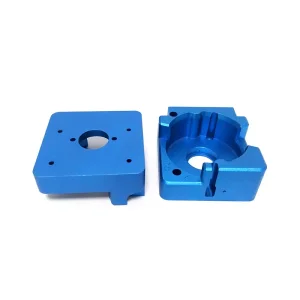
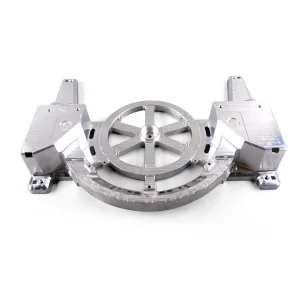
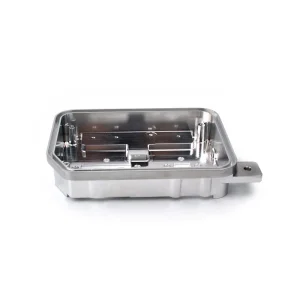
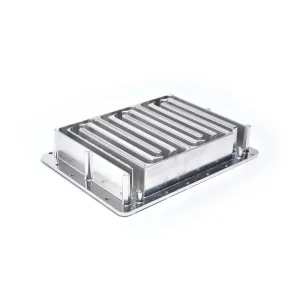
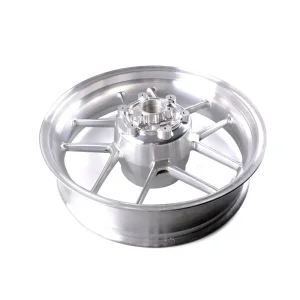
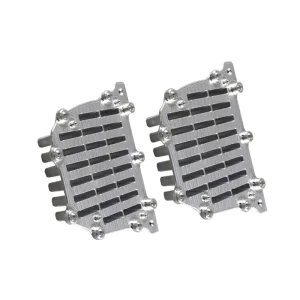
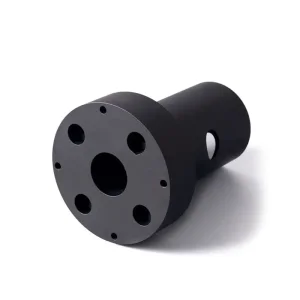
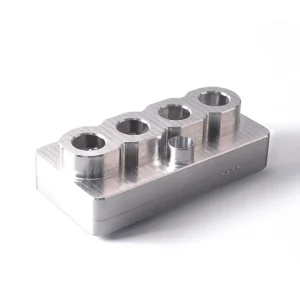
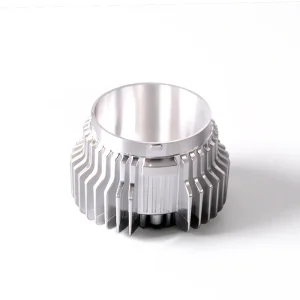
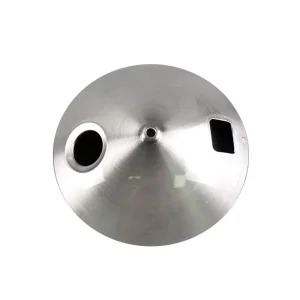
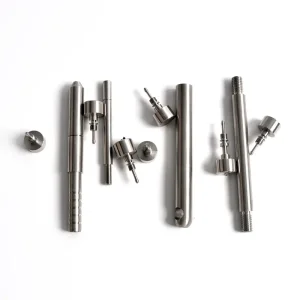
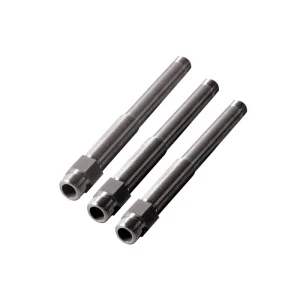
Advanced manufacturing solutions tailored for aerospace, automotive, and medical industries.
In the modern industrial landscape, a stud fastener is no longer just a commodity; it is a critical engineering component that ensures structural integrity in high-stress environments. As global industries shift towards lightweight materials and extreme-performance requirements, the demand for Custom Stud Fastener Suppliers & Factories has surged. Traditional off-the-shelf fasteners often fail to meet the rigorous tolerances required by next-generation aerospace turbines or electric vehicle (EV) battery packs.
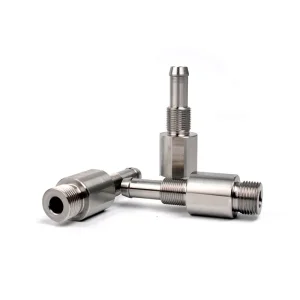
Custom stud fasteners are engineered to handle specific axial loads, shear stresses, and thermal expansions. Whether it is a double-ended stud, a tap-end stud, or a fully threaded rod, the precision of the thread profile and the metallurgy of the substrate determine the lifecycle of the entire assembly. This white paper explores how advanced CNC machining and Material Science are redefining the fastening industry.
The global industrial fastener market is projected to reach $110 billion by 2030. Customization accounts for the fastest-growing segment as OEMs seek "Information Gain" through proprietary designs that prevent unauthorized aftermarket repairs.
Factories are transitioning to "Green Machining." This includes the use of recycled alloys and the implementation of dry machining techniques to reduce coolant waste, aligning with global net-zero targets.
Smart fasteners equipped with embedded sensors for real-time tension monitoring are becoming a reality in bridge construction and heavy machinery, enabling predictive maintenance.
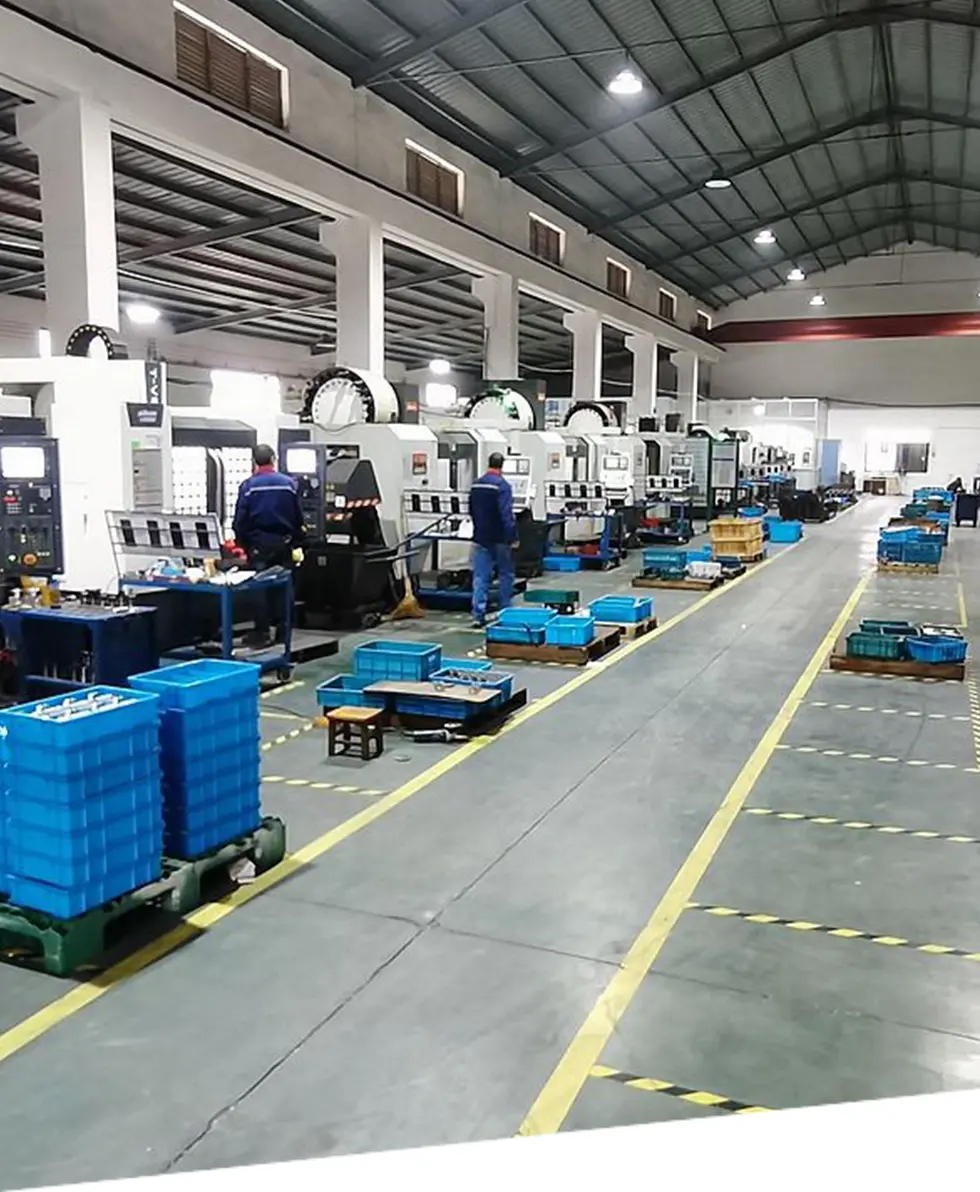
Established in 2019 with a registered capital of 5 million yuan, Hongrui has rapidly ascended as one of the top rapid prototyping and custom fastener companies in China. With a workforce of over 100 dedicated professionals, we specialize in low-cost OEM CNC machining parts manufacturing.
Our commitment to excellence is backed by rigorous certifications. In 2020, we passed the SGS quality system audit, and by 2023, we secured the "GB/119001-2016 ISO 9001:2015" certificate. We operate with a philosophy where "Management Details Guarantee Quality," ensuring every custom stud fastener meets international aerospace and medical standards.
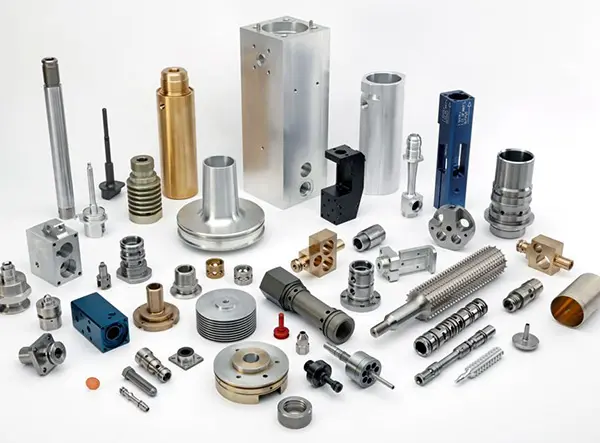
Our facility houses vertical, horizontal, 3-axis, 4-axis, and high-precision 5-axis CNC machining centers. This allows us to significantly shorten delivery times while maintaining a tolerance control of ±0.0002 inches.
Material Expertise: We work with a vast array of materials, including:
Beyond machining, we provide end-to-end services: grinding, turning, deburring, sandblasting, polishing, and complex assembly.
How our custom fasteners solve specific regional and industry challenges.
Lightweight titanium stud fasteners are critical for EV battery casing, providing high strength-to-weight ratios and corrosion resistance against road salts.
Custom stainless steel studs used in surgical robotics and diagnostic imaging equipment (MRI) require non-magnetic properties and biocompatibility.
Engine mount studs manufactured from Inconel or Cobalt alloys to withstand extreme thermal cycling and vibrational fatigue during flight.
Using CAD/CAM digital twins to predict thread failure points before the first piece of metal is cut. This reduces prototyping waste by 40%.
Integrating 3D metal printing with CNC finishing for complex internal geometries in hollow-core fasteners for cooling applications.
AI-driven laser inspection systems at every CNC station to ensure zero-defect production in real-time.
We don't just supply parts; we provide structural solutions. Our macro-level services encompass the entire supply chain from raw material sourcing to final logistics.
Consulting services to optimize your fastener design for cost-effective mass production.
Proprietary anodizing and chemical treatments to enhance wear resistance and longevity.
Just-In-Time (JIT) delivery models to reduce your warehousing costs and improve cash flow.
Comprehensive manufacturing capabilities for the most demanding industries.
 Hongrui Model