In the landscape of modern metallurgy, the 8670 alloy steel stands out as a high-performance material known for its exceptional toughness and edge retention. However, the raw potential of this nickel-chromium-molybdenum alloy can only be unlocked through sophisticated heat treatment processes. This section explores why selecting the right 8670 heat treat supplier is paramount for structural integrity.
For 8670 steel, precise temperature control between 1475°F and 1525°F is required. This phase ensures a complete phase transformation, setting the stage for uniform hardness across the component's geometry.
The use of advanced polymer or oil quenches is vital to prevent decarburization. Our factories utilize computer-monitored quench tanks to ensure the transition from austenite to martensite is optimized for 8670’s unique chemistry.
Tempering defines the final "personality" of the part. Whether you require a high HRC for cutting tools or a lower HRC for high-impact industrial gears, our multi-stage tempering cycles ensure zero internal stress.
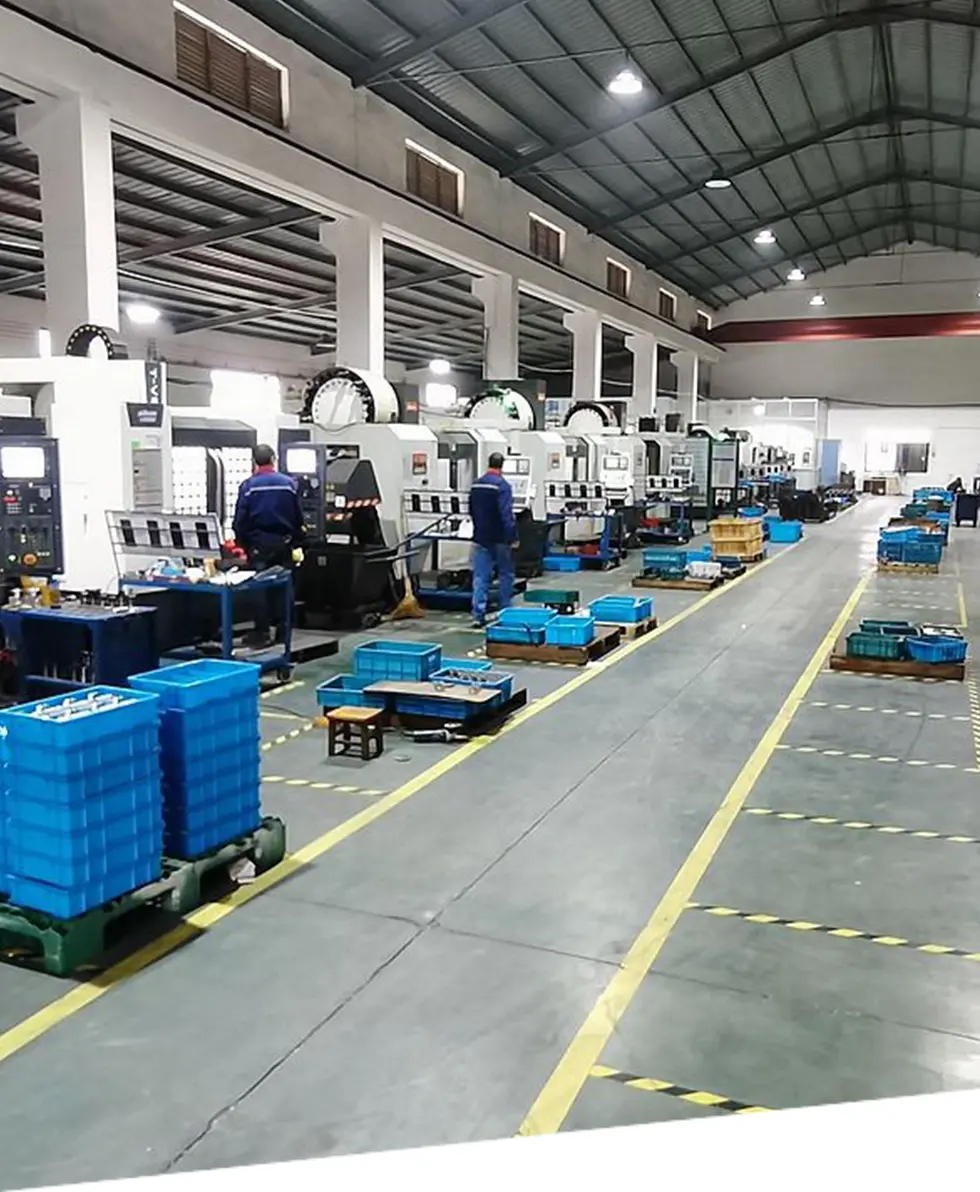
Established in 2019, Hongrui has rapidly ascended as one of the top rapid prototyping and 8670 heat treat solution providers in China. With a registered capital of 5 million yuan and a dedicated workforce of over 100 specialists, we bridge the gap between complex engineering designs and tangible high-precision parts.
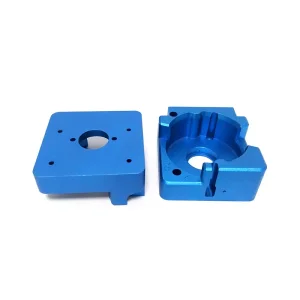
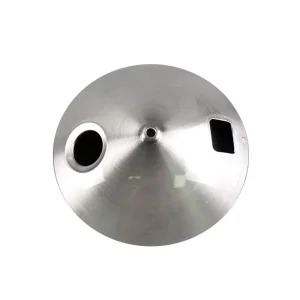
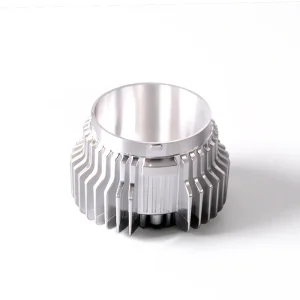
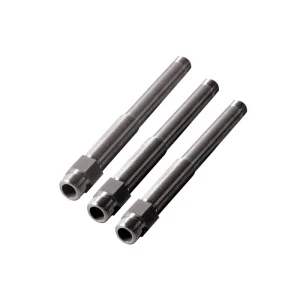
Our facility is not just a factory; it is an innovation hub for low-cost OEM CNC machining parts. We serve the most demanding sectors, including aerospace, medical devices, automotive systems, and advanced communications.
Post-2023, global procurement managers are moving away from "just-in-time" toward "just-in-case" strategies. High-quality 8670 heat treats suppliers are now evaluated based on their redundancy systems and ability to source raw alloy steel amidst global logistics shifts.
As industrial components shrink, the demand for micro-heat treatment has surged. 8670’s ability to maintain structural stability in thin-walled sections makes it the preferred choice for next-gen medical robotics and sensors.
Modern 8670 factories are adopting "Green Thermal Processing." By using vacuum heat treatment and energy-recovery furnaces, we reduce the carbon footprint per component, aligning with global ESG mandates for industrial manufacturing.
The "China 4.0" initiative has transformed traditional workshops into data-driven smart factories. At Hongrui, we leverage Internet of Things (IoT) sensors on our CNC machines and heat treat furnaces to provide real-time traceability. This means every 8670 part has a digital twin, documenting its thermal history and dimensional accuracy.
This technological leap ensures that our efficiency advantages—often resulting in 30-40% lower costs than European or North American counterparts—do not come at the expense of quality. Instead, our Information Gain from big data allows us to predict tool wear and optimize heat treat cycles for zero-defect production.
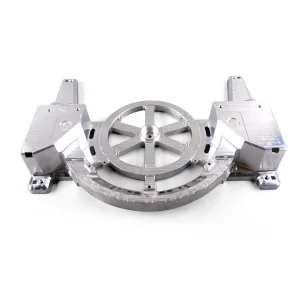
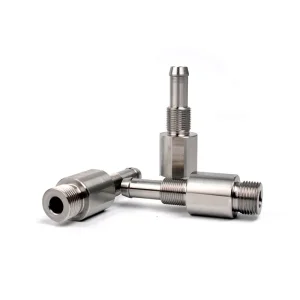
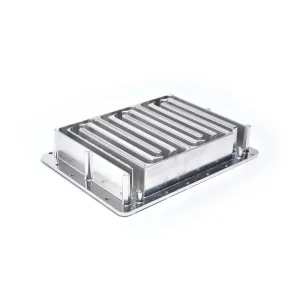
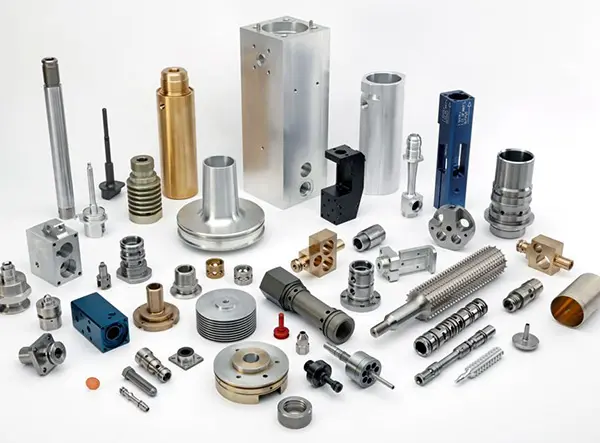
Our machining arsenal includes Vertical, Horizontal, 3-Axis, 4-Axis, and 5-Axis CNC centers. This diverse infrastructure allows us to handle 8670 steel from the raw forging stage through heat treatment, and finally to high-precision grinding and finishing. We control tolerances within ±0.0002 inches, making us a top-tier partner for OEM parts.
8670 steel is increasingly utilized in structural landing gear components and fastening systems due to its high fatigue resistance. Our heat treatment ensures the material survives the extreme temperature fluctuations of high-altitude flight.
The toughness of 8670 allows for the creation of thinner, sharper surgical instruments that don't chip. We provide specialized vacuum heat treats to ensure a biocompatible surface finish.
Electric vehicles (EVs) require gears and shafts that can handle high torque instantly. 8670’s nickel content provides the necessary ductility to prevent brittle failure under sudden electric motor acceleration.
For custom knives, saw blades, and industrial cutters, our precision tempering of 8670 provides an edge that stays sharp significantly longer than standard carbon steels.
A: Depending on the use case, 8670 usually ranges from 54 to 62 HRC. For high-impact tools, we aim for 56-58 HRC to balance toughness. For cutting edges, 60-61 HRC is achievable without excessive brittleness.
A: We use specialized racking and fixture quenching for complex geometries. Controlled cooling rates and pre-heating stages are also used to minimize the internal thermal shock that causes distortion.
A: It comes down to "Supply Chain Resilience." We provide an end-to-end solution—from CAD modeling to CNC machining and final heat treatment—all under one roof. This eliminates the "markup" and delay of middleman suppliers.
A: While the nickel and chromium content improves its resistance compared to simple carbon steels, it is not stainless. We offer various surface treatments like anodizing, sandblasting, and rust-removal coatings to enhance longevity.
 Hongrui Model