Advanced Solutions Integrated with Bio-Industrial Standards
Semantic Insights into a Transforming Metallic Industry
In the contemporary industrial epoch, Bio Zinc has transcended its traditional role as a simple corrosion-resistant coating. It has evolved into a cornerstone of "Semantic Manufacturing"—where the material properties are engineered to meet specific biological and environmental search intents. As a leading Bio Zinc Manufacturer, we recognize that the global commercial status of zinc is currently driven by three primary vectors: Biocompatibility, Sustainability, and Nanotechnology integration.
The "Bio" prefix denotes a shift toward bio-absorbable metal alloys and high-purity zinc compounds used in pharmaceuticals, agriculture, and medical implants. Unlike traditional steel or titanium, bio-compatible zinc alloys offer a unique degradation rate that matches the healing process of human bone, making them the "holy grail" for next-generation orthopedic manufacturers. Globally, the demand for high-purity zinc oxide and zinc-based bio-polymers is projected to see a CAGR of 7.4% through 2030, driven largely by the medical and smart-agriculture sectors.
From Raw Ore to Precision Bio-absorbable Components
Utilizing vacuum induction melting and rapid solidification to create zinc alloys with refined grain structures, enhancing mechanical strength while maintaining bio-degradability.
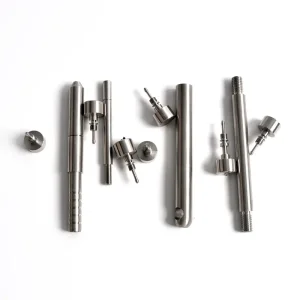
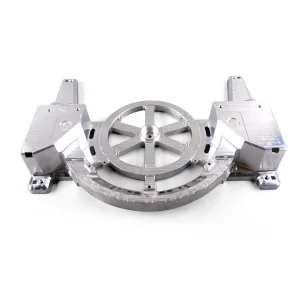
Leveraging 5-axis CNC technology to handle the delicate thermal properties of zinc, ensuring tolerances within ±0.005 mm for complex medical geometries.
Advanced anodizing and plasma electrolytic oxidation (PEO) to control the corrosion rate of bio-zinc, tailoring it to specific physiological environments.
The future of Bio Zinc factories lies in the fusion of AI-driven manufacturing and molecular biology. We are currently exploring Laser Powder Bed Fusion (LPBF) for zinc-based 3D printing, which allows for porous structures that promote bone ingrowth. This technical roadmap is not just about producing a product; it's about providing an Information Gain to the industry by solving the traditional "brittleness" problem of zinc through advanced alloying techniques.
Applying High-Quality Bio Zinc Across Diverse Industrial Verticals
Temporary bone fixations, stents, and scaffolds that dissolve naturally in the body, eliminating the need for secondary removal surgeries.
Zinc-based nano-fertilizers designed for high bio-availability, reducing soil runoff and increasing crop yields in localized farming ecosystems.
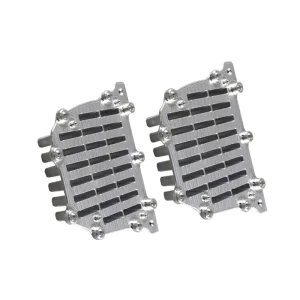
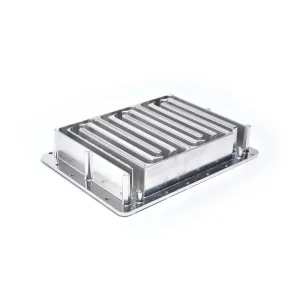
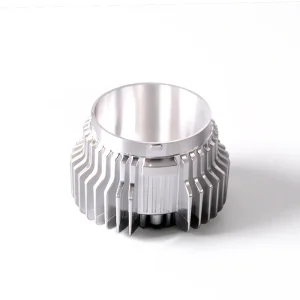
Bio-compatible shielding and heat sinks for wearable health monitors, where non-toxic and skin-friendly materials are a regulatory necessity.
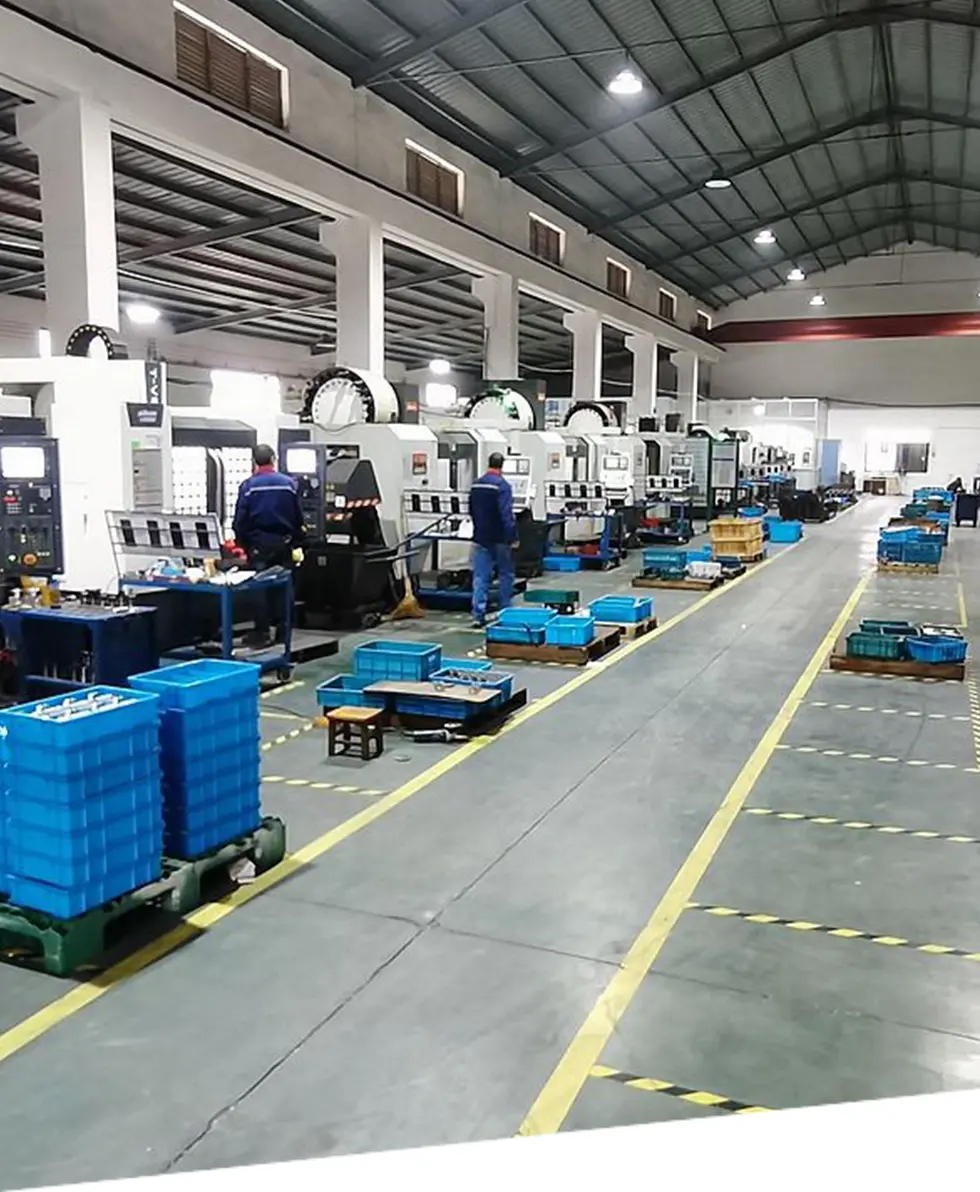
Dongguan Hongrui Model Technology Co., Ltd. (Established 2019) is a premier rapid prototyping and precision CNC manufacturer. With a registered capital of 5 million yuan and a team of 100+ experts, we specialize in low-cost, high-precision OEM parts.
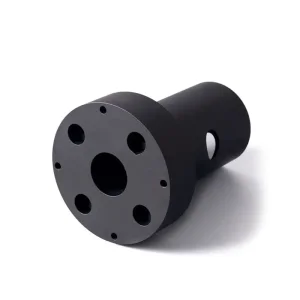
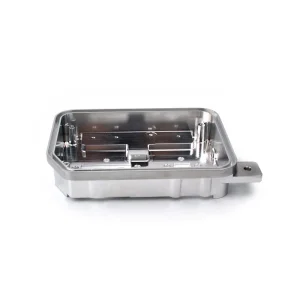
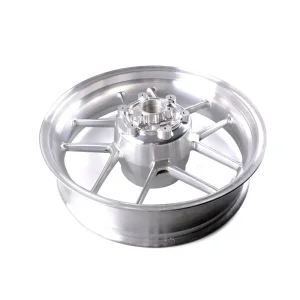
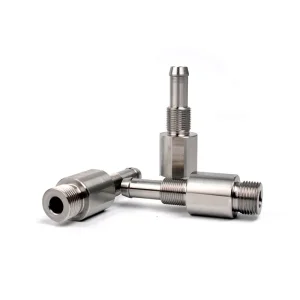
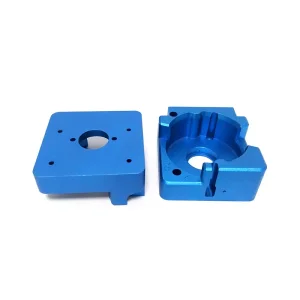
Our facility houses 50+ CNC machine tools, including vertical, horizontal, and 5-axis systems, allowing us to control tolerances within ±0.0002 inches. This precision is critical when machining Bio Zinc components where structural integrity is paramount.
Integrating Precision CNC with Bio-Material Science
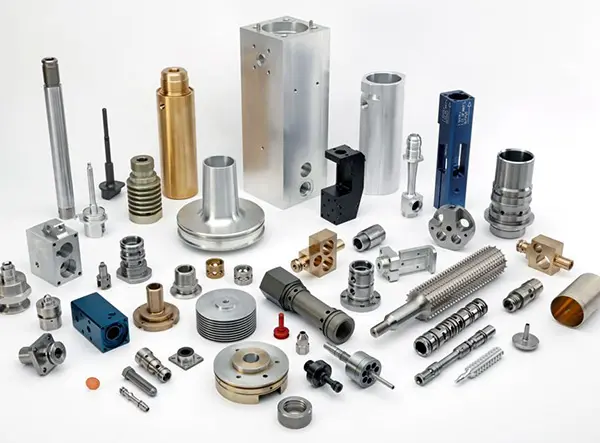
Working with bio-zinc requires more than just standard milling. It requires a controlled environment to prevent oxidation and a deep understanding of the metal's unique grain behavior. Hongrui provides a full-stack solution from rapid prototyping to mass production.
As a leading Bio Zinc Factory partner, we offer:
Our capabilities cover grinding, milling, turning, deburring, drilling, and assembly, making us a one-stop-shop for global OEM procurement.
Expert Insights into Bio Zinc Procurement and Manufacturing
A high-quality manufacturer must possess ISO 9001 certification, demonstrate ultra-high purity material sourcing (99.99%+), and have the CNC capability to maintain sub-micron tolerances without altering the material's bio-absorbable properties.
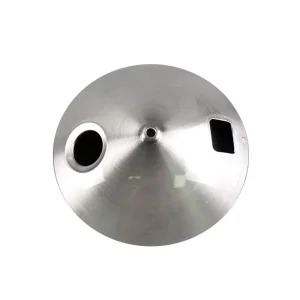
Zinc has a lower melting point and different ductility profiles. Precision CNC machining must utilize specific spindle speeds and cooling techniques to prevent material warping and ensure a mirror-like finish required for medical applications.
Yes. Our facility specializes in rapid prototyping, allowing clients to test bio-compatible designs in small batches before scaling to full-scale factory production. This significantly reduces R&D time for medical and electronic firms.
Primarily the medical (implants), automotive (eco-friendly sensors), and smart-device industries where non-toxic, recyclable, and bio-compatible components are increasingly mandated by global regulations.
State-of-the-Art Machining for Global Bio-Industrial Demands
 Hongrui Model