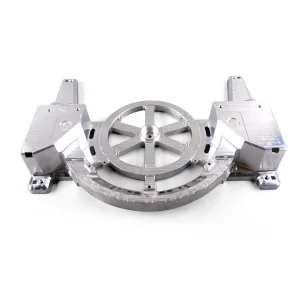
In the evolving landscape of Global Automotive and Industrial Manufacturing, the dash fastener is no longer a simple hardware component. It is a critical element in the NVH (Noise, Vibration, and Harshness) ecosystem of modern vehicles and heavy machinery. As a leading Dash Fastener Supplier, Hongrui understands that procurement directors today face a trifecta of challenges: lightweighting requirements, cost-efficiency, and supply chain resilience.
Global enterprises are shifting toward integrated interior assembly solutions. The demand for fasteners that can withstand high-frequency vibrations while maintaining structural integrity over a 15-year lifecycle is at an all-time high. Our CNC-machined fasteners provide the micron-level precision necessary for seamless integration into high-tech dashboards equipped with large-scale OLED displays and sensitive electronic sensors.
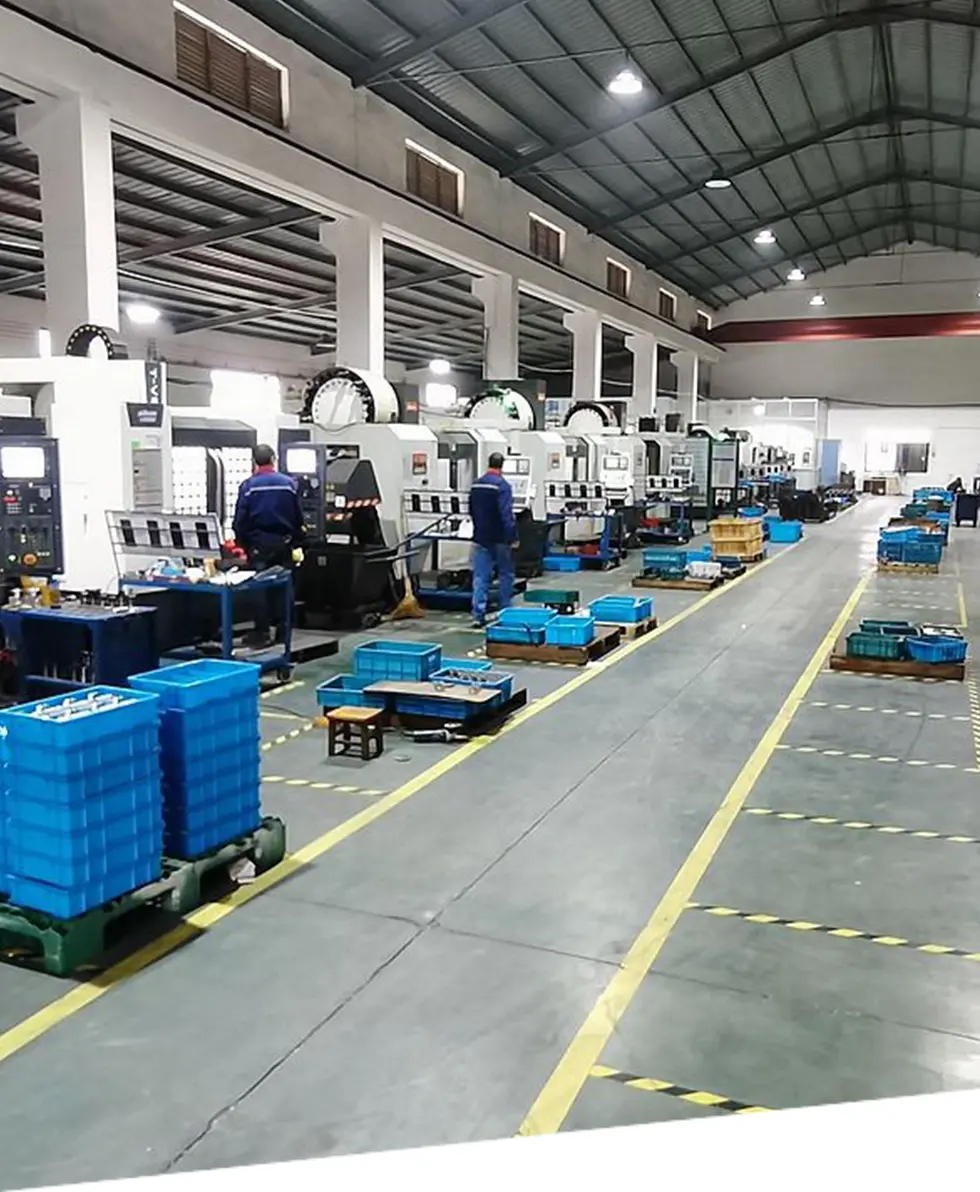
Developing non-conductive and ultra-lightweight dash fasteners using advanced polymers and treated aluminum to extend the range of electric vehicles.
Meeting stringent flame-retardant and high-stress specifications for cockpit fastening systems where failure is not an option.
Precision fasteners for diagnostic dashboards requiring biocompatible coatings and anti-corrosive properties for sterile environments.
High-torque fastening solutions for ruggedized operator cabins in construction and mining machinery, ensuring ergonomic stability.
Small-form-factor fasteners for telecommunication control panels, optimized for EMI/RFI shielding effectiveness.
Dynamic fasteners that allow for modular dash replacements in autonomous delivery robots and warehouse automation systems.
The future of Dash Fastener manufacturing is rooted in the convergence of material science and AI-driven production. At Hongrui, our technical roadmap focuses on three core pillars:
Established in 2019, Hongrui has rapidly ascended as one of the premier rapid prototyping and precision parts manufacturing companies in China. With a registered capital of 5 million yuan and a dedicated workforce of over 100 specialists, we bridge the gap between complex engineering concepts and physical reality.
Our commitment to E-E-A-T principles is evidenced by our rigorous certification history. In 2020, we passed the SGS quality system audit, and by 2023, we secured the GB/119001-2016 ISO 9001:2015 certificate. This ensures that every dash fastener we supply meets the highest international standards for quality and reliability.
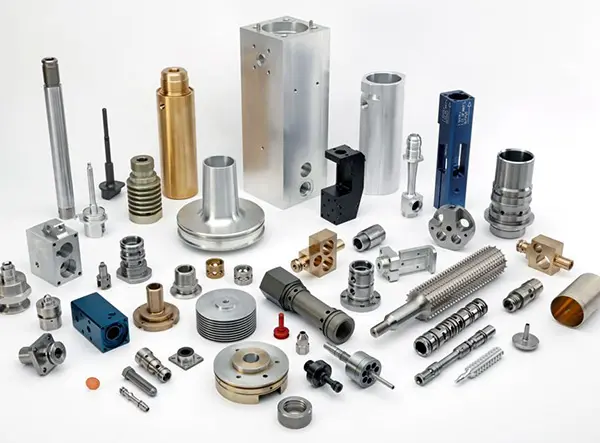
Hongrui operates a state-of-the-art facility equipped with 50 CNC machine tools, including vertical, horizontal, three-axis, four-axis, and five-axis machining centers. This allows us to offer:
Navigating the complex regulatory environment of the EU, North America, and ASEAN markets is critical. Hongrui provides comprehensive documentation support, including:
Ensuring all dash fasteners are free from hazardous substances, meeting environmental mandates for the European market.
Handling aerospace and defense-related projects with the necessary security protocols and data integrity.
While maintaining ISO 9001, we align our internal audits with automotive-specific quality management systems for seamless OEM integration.
Our competitive advantage lies in our 5-axis CNC capabilities which allow for the production of complex fastener geometries in a single setup, ensuring perfect axial alignment and reduced lead times compared to traditional multi-step manufacturing.
Yes, we offer advanced anodizing, sandblasting, polishing, and specialized anti-vibration coatings. Our in-house quality team verifies each finish against SGS environmental standards.
For modern EV dashes, we often recommend 6061 or 7075 Aluminum alloys, or high-performance plastics like PEEK or Ultem, which offer excellent strength-to-weight ratios and heat resistance.
We utilize automated CMM (Coordinate Measuring Machine) inspection and real-time tool wear monitoring to maintain a consistent tolerance of ±0.005 mm across production runs of 10,000+ units.
Absolutely. Our rapid prototyping system is designed for efficient product development, allowing engineers to test fit, form, and function before committing to mass production tooling.
 Hongrui Model