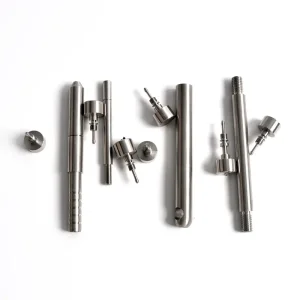
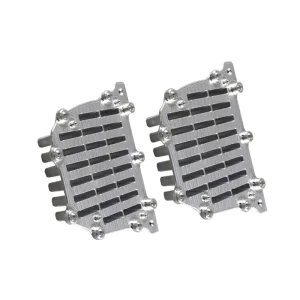
Explore our high-performance CNC solutions, precision tooling, and micro-machining capabilities built for global tier-one supply chains.
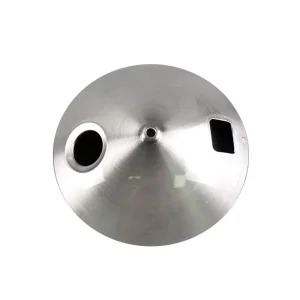
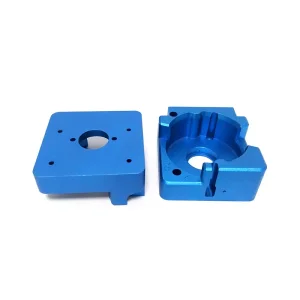
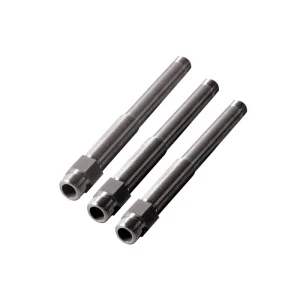
Double knurling, primarily known as diamond or cross-pattern knurling, represents a crucial manufacturing operation designed to create a structured crisscross texture on a workpiece's cylindrical surfaces. Unlike single-cut straight knurls, double knurling processes two opposing helical knurl cuts that intersect. This pattern dramatically increases the tactile grip coefficient, mechanical locking force, and aesthetic value of components.
In modern industrial assembly, double knurling plays a pivotal role in **insert molding**, **press-fit assemblies**, and applications demanding extreme torque transmission. By shifting raw material through cold-forming or cutting operations, double knurling changes the outer diameter of a shaft, generating precise ridges that embed into plastic, composite, or soft metal matrices. The geometry of the pitch, depth, and helical angle determines the mechanical load limits, preventing axial displacement and radial slippage.
"Engineering Insight: Diamond knurling produces both axial and radial mechanical resistance. When used as threaded inserts for thermoplastic polymers, it yields up to 40% higher pull-out and torsional limits compared to traditional straight knurls."
Designing high-performance double-knurled surfaces requires strict adherence to physical geometry standards. Standard options feature pitch dimensions ranging from 0.5mm to 2.0mm. The most widely specified configurations include:
Cold-forming is preferred for ductile metals such as aluminum alloys, brass, and mild steels as it hardens the material through localized work hardening. Conversely, stainless steel, titanium, and high-temp superalloys require knurl-cutting processes to prevent excessive tool wear and maintain pristine structural integrity.
A trusted China-based rapid prototyping leader combining deep industrial heritage with advanced manufacturing technology.
Hongrui is one of the top rapid prototyping companies in China.
Established in 2019 with a registered capital of 5 million yuan and currently employing over 100 people, we are one of the best rapid prototyping companies in China, specializing in low-cost OEM CNC machining parts manufacturing. Our products are mainly used in industries such as automotive, medical, electronic, aerospace, machinery, communications, toys, and smart devices.
We have invested a significant amount of money in quality and production environment. In 2020, we passed the quality system audit by SGS company, and in 2023, we obtained the "GB/119001-2016 ISO 9001:2015" certificate. In the same year, we also successfully passed the SGS company's environmental system audit. Hongrui strictly implements the provisions of ISO, guaranteeing the product quality and customer satisfaction of CNC machining through meticulous management details.
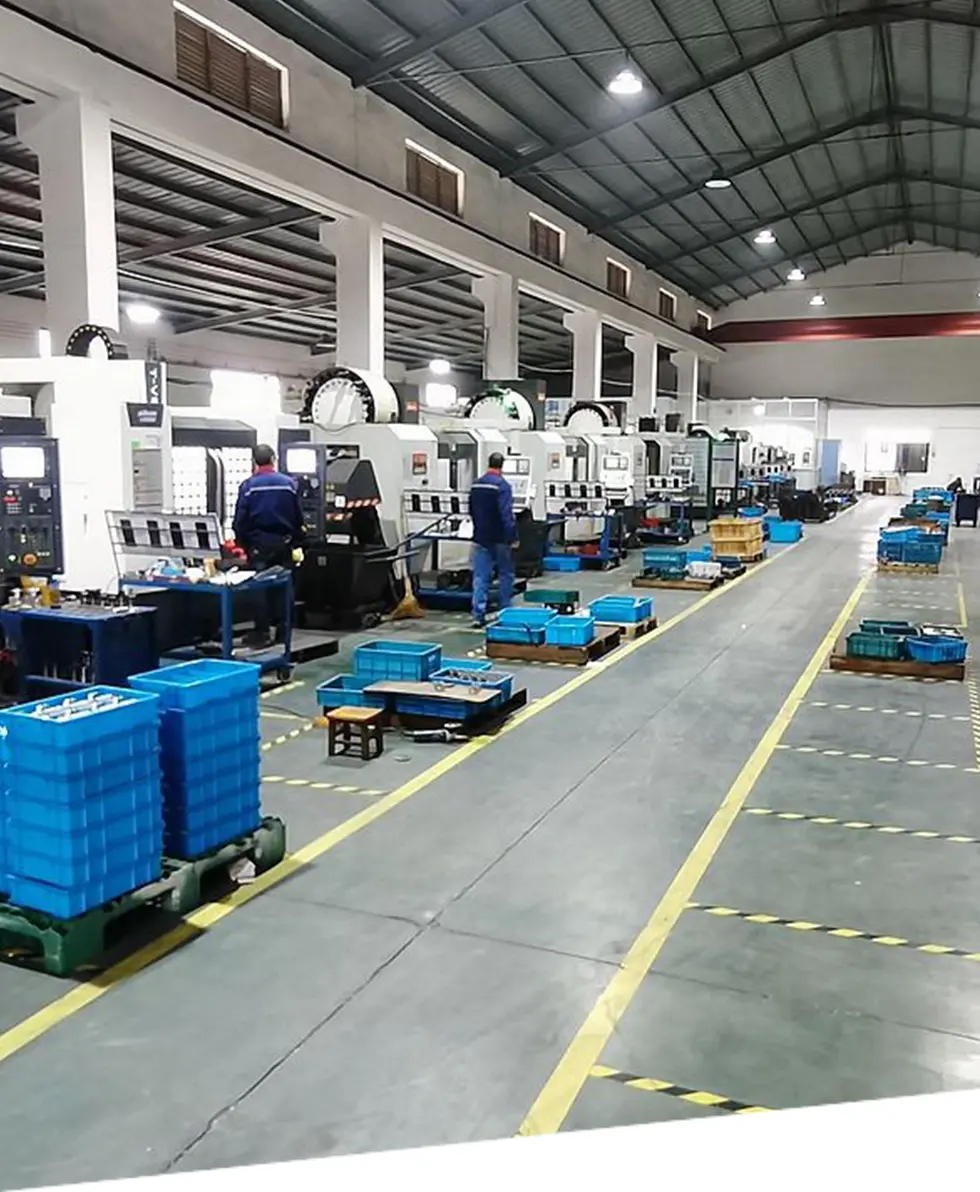
Hongrui has a total of 50 CNC machine tools, including vertical, horizontal, three-axis, four-axis, and five-axis CNC machine tools, which can significantly shorten delivery time. The optimal tolerance can be controlled within ±0.0002 inches and ±0.005 mm, making it suitable for manufacturing OEM parts.
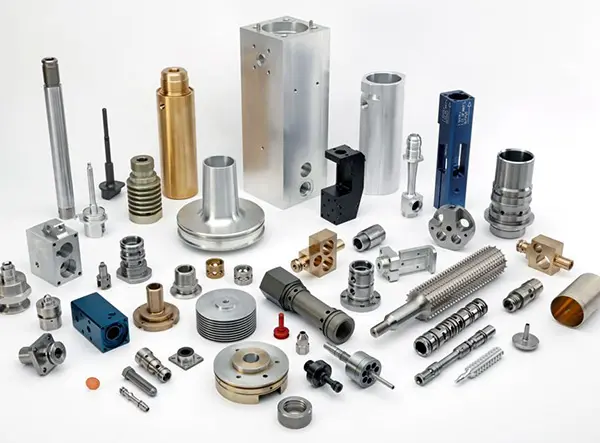
Our CNC machining capabilities cover a variety of materials such as aluminum, stainless steel, copper, nickel, cobalt, tungsten, titanium and various plastic parts. In addition to CNC machining, we also offer grinding, milling, turning, deburring, drilling and other services, as well as a variety of surface treatments including rust removal, tapping, sandblasting, polishing, vibration finishing, pressure testing, cleaning and assembly.
Sourcing precision components like double knurlings from China, particularly the Dongguan manufacturing corridor, unlocks immense economic and engineering benefits. The core advantage lies in a highly integrated vertical supply chain cluster:
Global procurement officers and design engineers face constant friction regarding quality assurance, geometric repeatability, and lead-time stability. To mitigate risk, tier-one manufacturers must partner with ISO 9001:2015 factories that understand the intricacies of double-knurling tolerances:
| Parameters | Standard Class | High-Precision Class (SGS/HR) | Testing Method |
|---|---|---|---|
| Diameter Expansion | +0.15mm / +0.30mm | +0.05mm / +0.10mm | Laser Micrometer Measurement |
| Torsional Strength | Typical Industry Spec | >35% Above standard (Work-hardened) | Torque Cell Destruction Testing |
| Surface Defect Rate | < 500 PPM | < 50 PPM (Automated Optical Sort) | Vision Inspection Systems |
| Material Traceability | Self-Declaration | Full Mill Certificates + SGS Audited Reports | ICP-OES / X-Ray Fluorescence Analysis |
By utilizing high-resolution optical inspection equipment and computerized metrology labs, Hongrui ensures that every delivery batch satisfies critical global procurement guidelines, removing the risk of assembly failure or line stoppages.
How cutting-edge industries deploy advanced double knurling to achieve unmatched structural integrity and component longevity.
Double knurled copper and aluminum busbars and inserts are widely utilized in electric vehicle battery packs, offering stable electrical paths and extreme resistance to high-frequency vibrations.
Micro-knurled handles on surgical equipment provide surgeons with non-slip, sterile control. Machined out of medical-grade Titanium and 316L Stainless Steel, these surfaces withstand rigorous autoclave sanitation.
Lightweight 7075-T6 aluminum control rods and actuators rely on precise double knurls for torque coupling interfaces, optimizing power-to-weight ratios in drone motors and aerospace flight surfaces.
As Industry 4.0 techniques mature, double knurling is evolving from basic mechanics to specialized design elements. Standard forming rollers are increasingly being replaced by CNC synchronous multi-directional knurling operations. This method allows engineers to fine-tune the depth of the knurl in real-time, matching varying density gradients of modern carbon-fiber composites and 3D-printed polymers.
Furthermore, research into anti-friction coatings like Diamond-Like Carbon (DLC) and advanced electroless nickel plating applied on top of double knurls shows promise in extending the fatigue life of industrial shafts. This double-layer approach provides both mechanical interlocking and chemical corrosion resistance, expanding the service life of machines operating in severe subsea or chemical conditions.
Answering vital engineering and logistics inquiries for global component procurement.
Single diagonal knurling provides resistance against rotation in one direction only. Double knurling, through its intersecting diamond structure, acts as a mechanical anchor in both clockwise and counter-clockwise directions, while also dramatically improving axial pull-out limits inside polymer matrices.
Because knurling involves material displacement, the outer diameter of the knurled area will exceed the raw shaft diameter. We control raw shaft tolerances to within ±0.005mm (±0.0002 inches). This ensures that post-knurling outer diameters match your assembly requirements with sub-micron repeatability.
Extremely hard or brittle materials like titanium, cobalt-chromium, and hardened carbon steels are highly prone to micro-cracking and excessive tool wear when subjected to cold-forming knurling. For these materials, we deploy precision CNC knurl-cutting processes to preserve material integrity and maintain clean profiles.
Yes. Every production run is backed by raw material mill certifications, chemical composition verification sheets, and RoHS/REACH compliance papers. In addition, our ISO 9001:2015 and SGS environmental certifications guarantee adherence to world-class manufacturing standards.
Leveraging our rapid prototyping roots, we accept small orders starting from a single unit up to 100,000+ units. Our plant operates 50 advanced CNC machine tools, enabling seamless scaling from initial R&D testing to mass production runs.
We provide comprehensive secondary surface treatments including black oxide coating, zinc-plating, passivation for stainless steel, and high-performance anodizing for aluminum alloys. We also perform thorough cleaning, assembly, and pressure testing in controlled settings to prevent contaminants from settling in the knurl recesses.
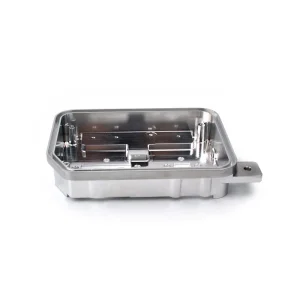
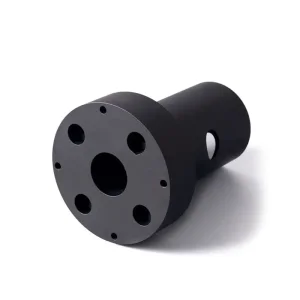
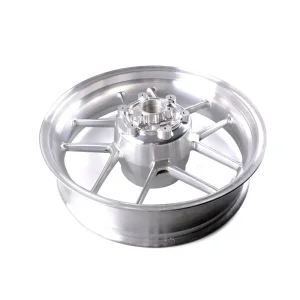
A full-spectrum display of our engineering machinery, automated tooling setups, and premium metal-finishing solutions.
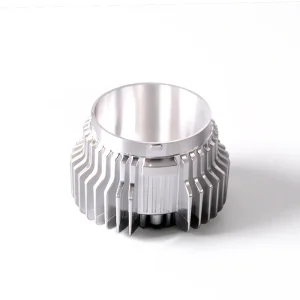
 Hongrui Model