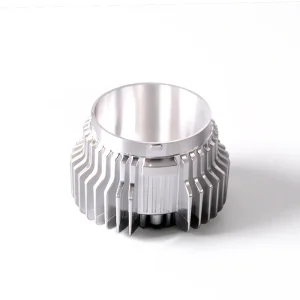
High-Quality Flasher Relay Manufacturers & Factories

Empowering Automotive & Industrial Signaling with Precision Machined Excellence

The Evolution of Flasher Relay Manufacturing

From Thermal Bimetals to Smart Solid-State Switching

In the modern automotive and industrial landscape, the Flasher Relay has evolved from a simple mechanical interruption device into a sophisticated piece of electronic architecture. As global Flasher Relay Manufacturers pivot towards electrification, the demand for precision-engineered internal components has reached an all-time high. A flasher relay is no longer just about "making and breaking" a circuit; it is about signal integrity, LED compatibility, and long-term reliability in harsh environments.
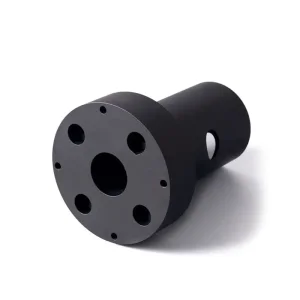
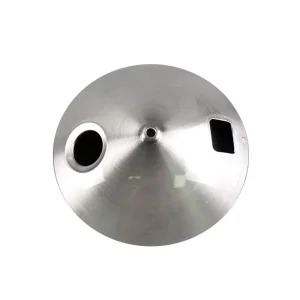
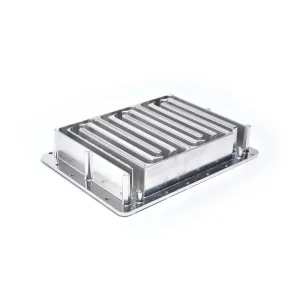
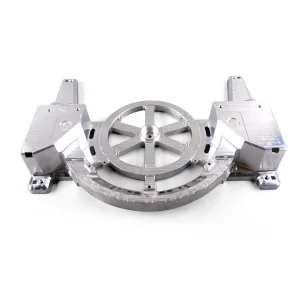
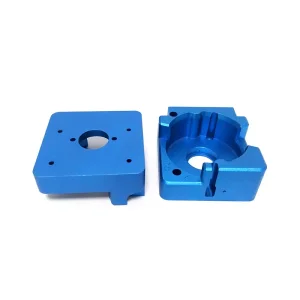
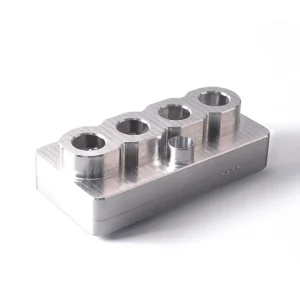
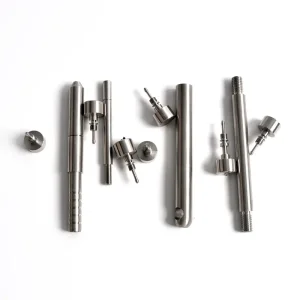
The shift from traditional thermal flashers to electronic (solid-state) relays has introduced new manufacturing complexities. Modern factories must now integrate Advanced CNC Machining and ISO-certified quality control to ensure that contacts, housings, and connectors meet the rigorous standards of the automotive and aerospace industries. Hongrui stands at the forefront of this transition, providing the mechanical precision required to house these complex electronic systems.

Smart Relay Integration

Integration of CAN-bus communication protocols within flasher units for real-time diagnostics and bulb-out detection.

LED Transition

Hyper-flash correction and low-load stability designs to accommodate the global shift toward LED signaling.

Miniaturization

High-density component placement requiring micron-level precision in relay housing and terminal manufacturing.

China Factory 4.0: Supply Chain Resilience

Leveraging Dongguan's Manufacturing Ecosystem for Global Reliability
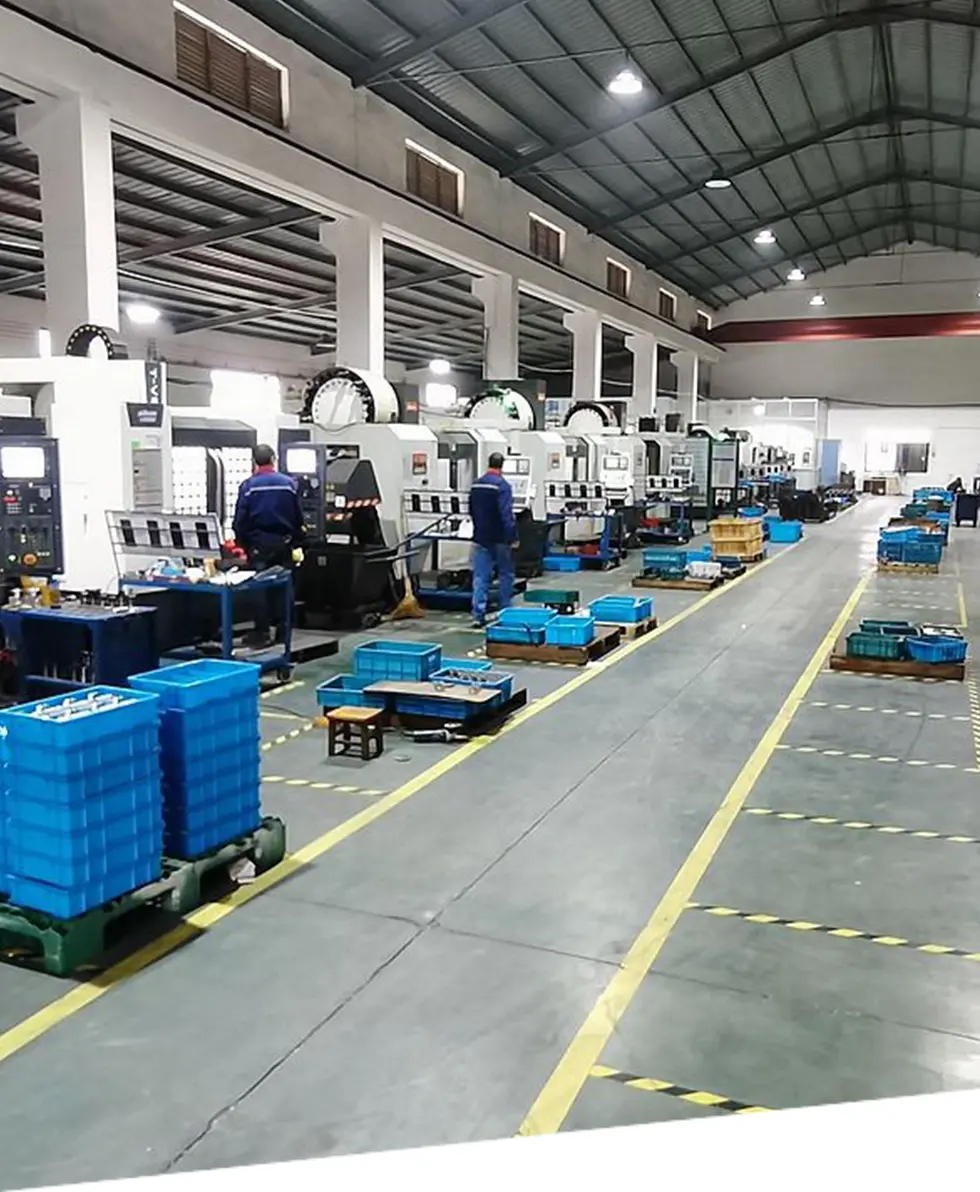
As a leading player in Dongguan Hongrui Model Technology Co., Ltd., we embody the principles of Industry 4.0. Our facility is not just a factory; it is a high-tech hub where supply chain resilience meets efficiency advantages. For global procurement teams, sourcing from a China-based "Factory 4.0" means access to a vertically integrated ecosystem.
  • Rapid Prototyping: Reducing TTM (Time to Market) for custom relay designs.
  • Material Versatility: Machining Copper, Stainless Steel, and Aerospace-grade Plastics.
  • Strict Compliance: GB/119001-2016 and ISO 9001:2015 certifications ensure global reliability.
50+ CNC Machine Tools
±0.005mm Optimal Tolerance
100+ Skilled Specialists
2019 Established Year

About Dongguan Hongrui Model Technology

A Foundation of Excellence in Precision Machining

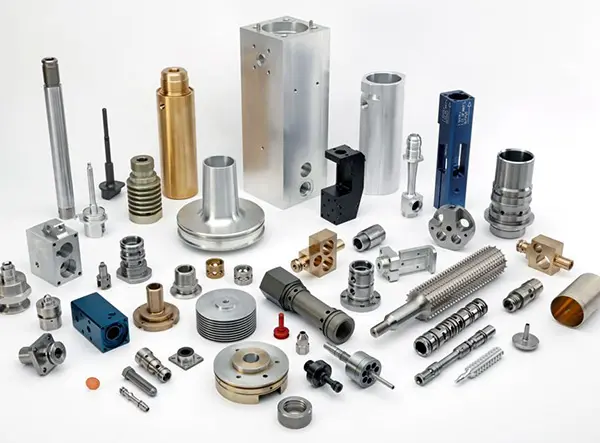
Established in 2019 with a registered capital of 5 million yuan, Hongrui has rapidly ascended as one of the premier rapid prototyping companies in China. We specialize in low-cost OEM CNC machining parts manufacturing, essential for the high-volume production of Flasher Relays and other critical electronic components. Our products serve diverse sectors including automotive, medical, electronic, aerospace, communications, and smart devices.

Quality Assurance

In 2020, we passed the quality system audit by SGS, and in 2023, we obtained the "GB/119001-2016 ISO 9001:2015" certificate. We strictly implement ISO provisions, guaranteeing that every precision part for flasher relays meets customer satisfaction through meticulous management.

Production Capacity

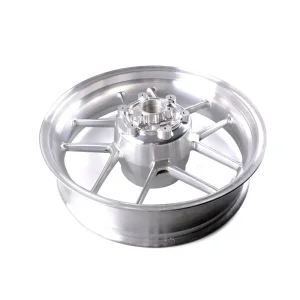
Our workshop houses vertical, horizontal, three-axis, four-axis, and five-axis CNC machine tools. This diverse array allows us to control tolerances within ±0.0002 inches, making us the ideal partner for high-precision OEM parts.
Global Procurement Trends for Flasher Relays

International buyers from North America, Europe, and Southeast Asia are increasingly looking for Flasher Relay Manufacturers who can offer more than just a component. They seek partners capable of providing "Information Gain"—insights into material longevity, thermal dissipation, and electromagnetic compatibility (EMC).

Sustainability in Sourcing

Factories must now prove environmental compliance. Our SGS environmental system audit ensures your supply chain remains green and ethical.

Supply Chain Transparency

Real-time tracking of production milestones and material certifications is becoming a standard requirement for industrial-grade relays.

Rapid Localization

The ability to adapt flasher relay specifications to local market standards (e.g., SAE J590 for the US vs. ECE R48 for Europe) is a major competitive edge.

Localized Application Scenarios

Heavy-Duty Machinery

Flasher relays designed for vibration resistance in construction and agricultural vehicles, utilizing CNC-machined reinforced housings.

Smart Home Signaling

Compact relays used in smart doorbells and security systems, requiring high-frequency switching and low power consumption.

Aerospace & Defense

High-reliability relays for cockpit signaling, where components must withstand extreme pressure and temperature fluctuations.

Medical Equipment

Ultra-quiet, long-life relays for patient monitoring systems and medical device alarms, emphasizing electromagnetic silence.

Frequently Asked Questions (FAQ)

Expert Insights into Flasher Relay Sourcing & Manufacturing

Q1: What is the primary difference between a thermal and an electronic flasher relay?+
A1: Thermal relays rely on a bimetallic strip that heats up and bends to break the circuit. Electronic (solid-state) relays use a timing circuit and a switching transistor or mechanical relay, offering much higher precision, longer life, and compatibility with LED bulbs which have lower current draws.
Q2: How does CNC machining impact the quality of a flasher relay?+
A2: CNC machining is critical for creating the molds, internal terminals, and heat sinks. High-precision machining (like Hongrui's ±0.005mm tolerance) ensures that internal contacts align perfectly, reducing arcing and increasing the relay's cycle life significantly.
Q3: Why should I source flasher relay components from a China Factory 4.0?+
A3: Sourcing from a Factory 4.0 like Hongrui provides a balance of cost-efficiency and advanced technology. Our automated CNC processes and ISO-certified management systems ensure high-volume consistency that traditional workshops cannot match.
Q4: Can you provide custom surface treatments for relay terminals?+
A4: Yes. Beyond machining, we offer anodizing, sandblasting, polishing, and specialized plating (like silver or gold plating) to improve electrical conductivity and corrosion resistance for relay contacts.