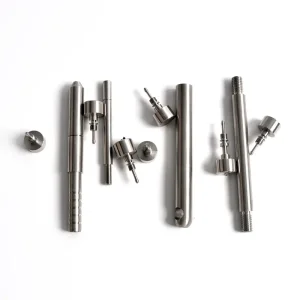
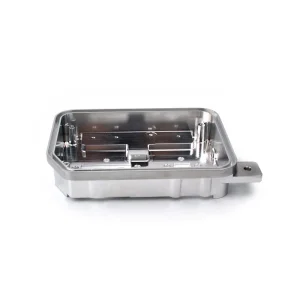
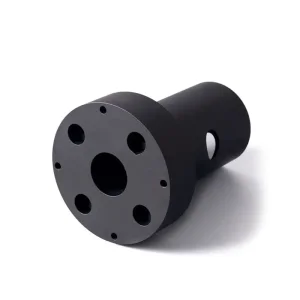
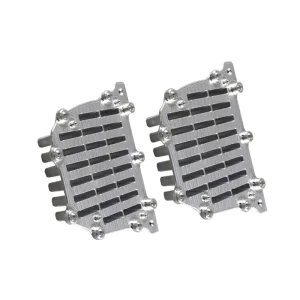
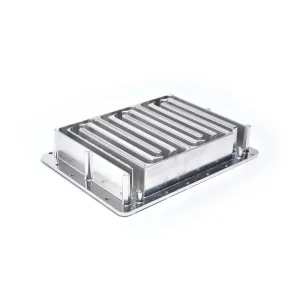
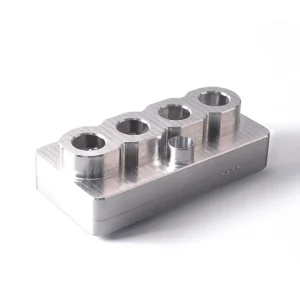
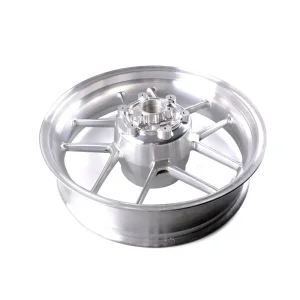
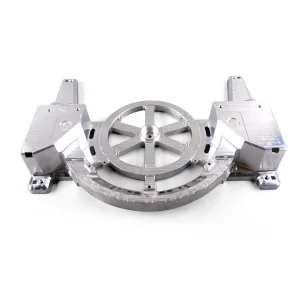
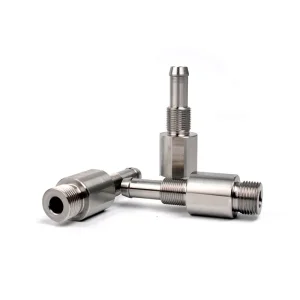
Explore our state-of-the-art precision components manufactured under ISO 9001:2015 quality standards.
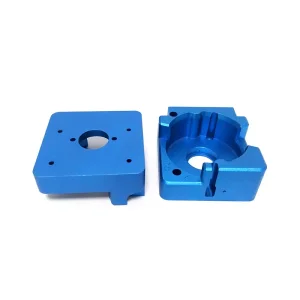
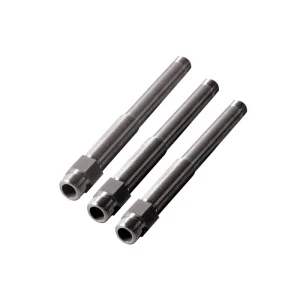
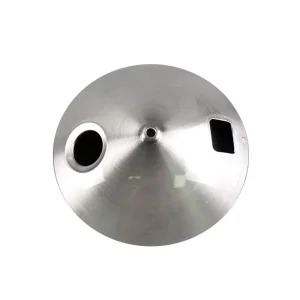
Understanding the shift toward high-density structural components and permanent mold aluminum engineering across automotive, aerospace, and energy sectors.
Gravity casting (permanent mold casting) relies on earth's gravitational pull to fill metallic dies, eliminating air entrapment typical of high-pressure alternatives. This results in exceptional internal soundness, minimal gas porosity, and superior heat treatment potential (T5/T6 conditions).
For medium-to-high volume production runs (1,000 to 100,000 units/year), gravity casting offers a sweet spot in tooling investments. Die costs are significantly lower than high-pressure die casting dies, while grain structures outperform sand casting methods.
Modern OEMs demand near-net-shape gravity castings combined with sub-micron 5-axis CNC secondary finishing. This hybrid approach ensures critical tolerance interfaces reach up to ±0.0002 inches (±0.005 mm) while keeping component weight light and structurally robust.
Selecting the optimal manufacturing methodology based on mechanical properties, tooling expenditure, and volumetric scaling requirements.
When global sourcing directors evaluate suppliers for critical structural components—such as electric vehicle battery enclosures, motor housings, fluid valves, and robotic arm joints—choosing the appropriate casting methodology determines downstream structural longevity and total cost of ownership (TCO). Gravity die casting provides distinct metallurgical advantages due to controlled directional solidification.
| Evaluation Parameter | Gravity Die Casting (Permanent Mold) | High-Pressure Die Casting (HPDC) | Sand Casting | Investment Casting (Lost Wax) |
|---|---|---|---|---|
| Porosity & Soundness | Extremely Low (Heat-Treatable to T6) | High Internal Gas Porosity (Hard to T6) | Moderate to High Porosity | Very Low Porosity |
| Grain Structure & Strength | Fine Grain, High Mechanical Yield Strength | Rapid Surface Chill, Brittle Core | Coarse Grain, Lower Tensile Strength | Uniform, Excellent Mechanical Properties |
| Initial Tooling Investment | Moderate ($5k – $25k) | High ($30k – $150k+) | Low ($1k – $5k) | Moderate to High |
| Surface Roughness (Ra) | 3.2 – 6.3 μm (Clean Finish) | 0.8 – 3.2 μm (Very Smooth) | 12.5 – 25 μm (Rough Finish) | 1.6 – 3.2 μm (Smooth) |
| Dimensional Repeatability | High (±0.2 mm raw casting) | Very High (±0.1 mm raw casting) | Low (±0.8 mm raw casting) | High (±0.15 mm raw casting) |
| Post-CNC Machining Synergies | Optimal (Holds tight tolerances effortlessly) | Risk of exposing sub-surface voids | High cutter wear due to embedded sand | Minimal post-machining required |
Unlike high-pressure die casting where trapped gases cause surface blistering during elevated temperature heat treatments, gravity cast alloys (such as A356, A380, and AlSi7Mg) can undergo rigorous T6 solutionizing and artificial aging. This increases tensile yield strength by up to 45%, making gravity casting the mandatory standard for safety-critical automotive control arms and pressure-tight hydraulic bodies.
A premier high-precision manufacturing enterprise bridging low-cost OEM prototype tooling with full-scale production excellence.
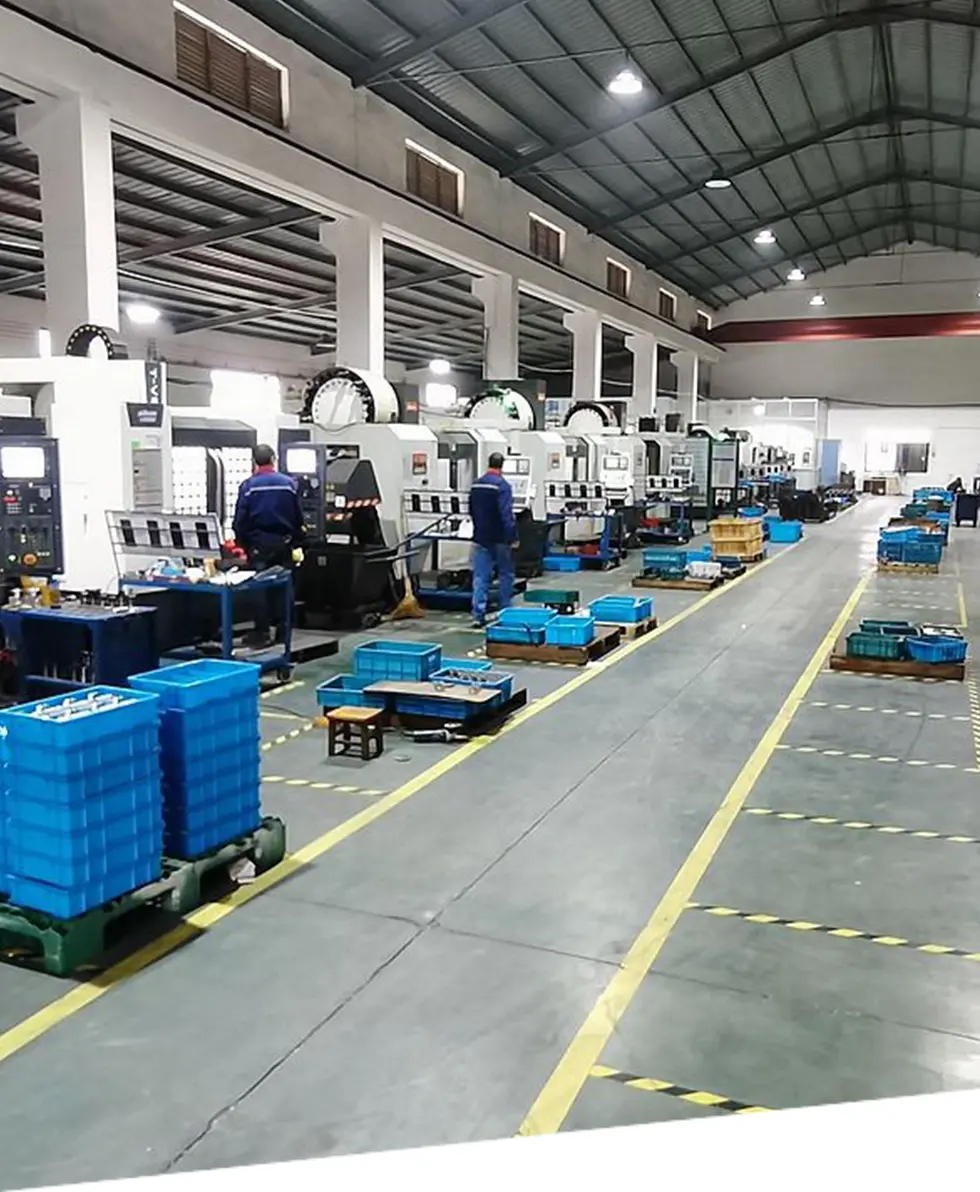
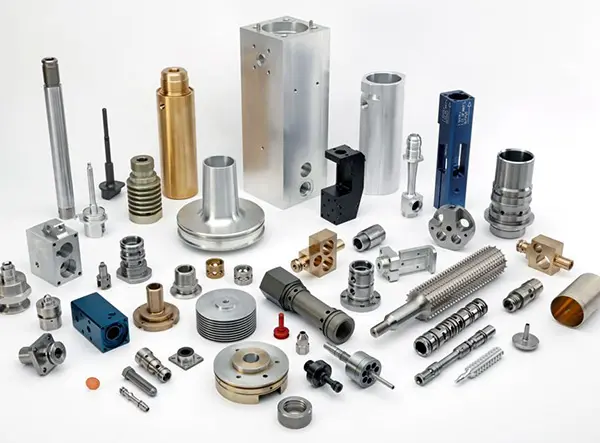
Established in 2019 with a registered capital of 5 million yuan, Dongguan Hongrui Model Technology Co., Ltd. has grown to employ over 100 dedicated technical specialists. Recognized as one of the premier rapid prototyping and precision manufacturing companies in China, Hongrui specializes in cost-efficient OEM CNC machining parts, gravity casting post-processing, and complex sub-assembly manufacturing.
Our solutions cater directly to tier-1 global industries including automotive, medical technology, consumer electronics, aerospace, industrial machinery, telecommunications, robotics, and smart devices.
By establishing strict operational controls, Hongrui delivers an uninterrupted bridge between concept engineering, rapid alloy tooling, gravity permanent mold casting, and ultimate multi-axis precision post-machining.
Quality assurance forms the backbone of Hongrui's manufacturing operations. We have committed substantial capital investments toward continuous production line modernization and metrology environment control:
How AI-assisted thermal modeling, automated tilt casting, and integrated IoT sensors are transforming permanent mold foundries.
Utilizing advanced computational fluid dynamics (CFD) to predict thermal gradients, mold filling velocities, and shrinkage cavities before cutting steel dies.
Eliminating turbulence during metal entry by employing programmable servomotor tilt casting machines, ensuring zero oxides enter the casting cavity.
Transferring raw castings directly to 5-axis CNC machining centers equipped with optical touch probes for real-time datum alignment and sub-micron accuracy.
Integrating industrial X-ray computed tomography (CT) scanning and CMM dimensional inspection to verify 0% internal defects across mission-critical batches.
Meeting the strict regulatory, strength, and weight parameters demanded by modern industrial procurement teams.
Lightweight aluminum gravity castings for inverter housings, liquid-cooled battery trays, structural subframes, and steering knuckles. Designed to withstand high vibration dynamic loads with zero fluid leakage.
High-strength aluminum-copper and aluminum-silicon castings for avionics enclosures, gearbox housings, and actuator brackets. Manufactured under strict ISO quality controls for extreme altitude environment resistance.
Precision-cast structures for diagnostic imaging machines, surgical robotic arms, and laboratory centrifuges. Finished with medical-grade anodizing or powder coating to withstand aggressive sterilization agents.
Assuring regulatory compliance, trade ease, and local engineering support for overseas procurement partners.
Hongrui strictly implements ISO environmental directives. All raw aluminum ingots, copper alloys, and surface treatment baths comply with EU RoHS 3 and REACH regulations, providing complete material traceabilities with material chemical composition certificates (MTRs).
Our bilingual engineering team conducts thorough Design for Manufacturability (DFM) reviews prior to tooling authorization. We advise on draft angles, radii, wall thickness uniformity, and machining allowances to reduce tooling iteration cycles by 30%.
To safeguard precision-machined casting surfaces during ocean or air transport, components are treated with anti-corrosion VCI packaging, custom foam inserts, and vacuum-sealed wrapping before shipment in IPPC-certified wooden crates.
Clear answers to technical inquiries regarding tolerances, material selections, lead times, and post-machining operations.
Explore our specialized CNC machinery systems, 5-axis centers, and custom manufacturing platforms.
 Hongrui Model