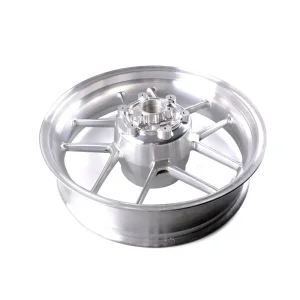
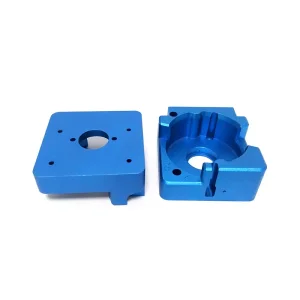
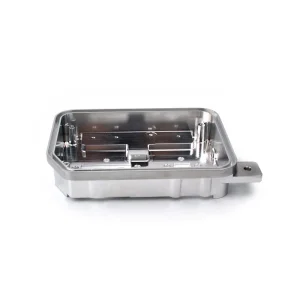
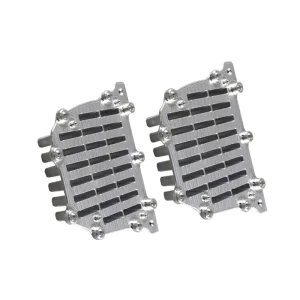
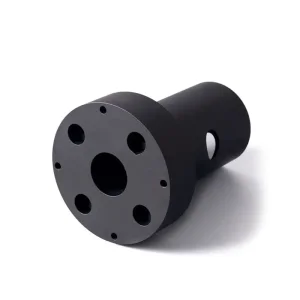
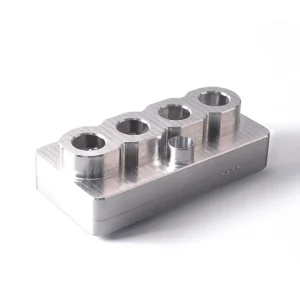
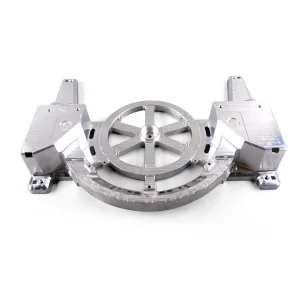
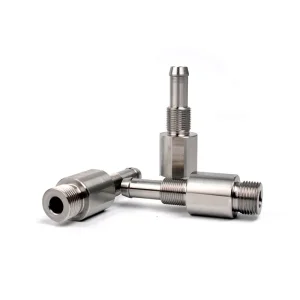
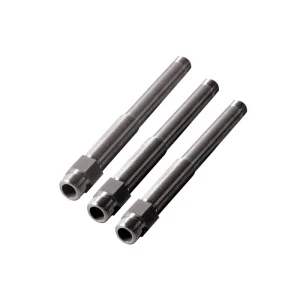
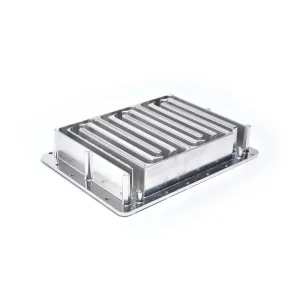
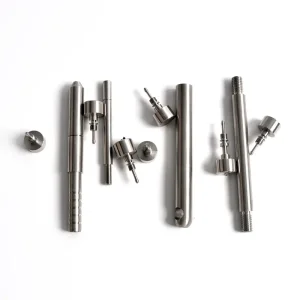
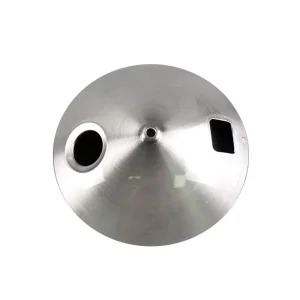
Explore our elite range of CNC engineering, high-efficiency material finishing, and rapid system customization technologies designed to interface seamlessly with advanced optics.
The global industrial manufacturing landscape has undergone a tectonic shift in its approach to high-efficiency, micro-detail material processing. Central to this transformation is the integration of high-power semiconductor blue laser diodes—specifically represented by the industry-benchmark Jtech 7w Laser. Unlike traditional CO2 tube lasers that require massive optical paths, mirrors, and bulky chassis configurations, the 7W solid-state diode system operates at a highly focused 450nm wavelength. This enables it to deliver remarkable optical energy density directly onto target workpieces.
Qualified Jtech 7w Laser suppliers and production factories focus heavily on optimizing the spatial beam profiles of these units. By using advanced, multi-element glass lenses or specialized single-element aspheric optics, engineers can compress the laser spot size to smaller than 0.06mm x 0.15mm. This extreme density allows hybrid CNC machine operators to pivot seamlessly between mechanical chip removal and fine laser cutting/engraving without swapping work holding systems.
In the realm of advanced optics and precision mechanical fixtures, purchasing decisions cannot rely on simple catalog photos. True Reliability, Professionalism, and Experience must be quantified. This is where Dongguan Hongrui Model Technology Co., Ltd. (Hongrui) establishes absolute industrial authority. Established in 2019 with a robust registered capital of 5 million yuan and employing a highly skilled workforce of over 100 people, Hongrui has cultivated a premier reputation in low-cost, high-precision OEM CNC machining and rapid prototyping services.
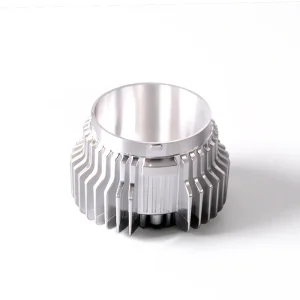
Optically intensive subsystems like the housing and mountings of a Jtech 7w Laser require strict thermal management, rigid mechanical alignment, and precise electrical insulation. Hongrui passed a meticulous quality system audit by the globally recognized inspection agency SGS in 2020, and secured the prestigious GB/119001-2016 / ISO 9001:2015 certification in 2023. Backed by subsequent environmental audits, Hongrui enforces meticulous quality control details, guaranteeing that high-power diode mounting sleeves and custom structural CNC frames operate perfectly under heavy load without thermal drifting.
Underneath the physical casing of elite Jtech 7w modules sits a complex architecture of electronic driver boards, thermal sinks, and premium glass collimators.
| Performance Parameters | Typical Values | Industrial Grade Sourcing Considerations |
|---|---|---|
| Wavelength (Nominal) | 450 nm (Solid-state Blue Diode) | Highly absorbed by organic compounds, wood, acrylics, and anodized layers. |
| Diode Driving Current | 4.0 A to 4.5 A (Constant Current) | Requires dynamic PWM modulation and integrated thermal overload protection. |
| Optical Spot Profile | Elliptical, collimated (~0.06mm × 0.15mm) | Focusing lenses must feature anti-reflective (AR) multi-layer coatings. |
| Recommended Fan Airflow | 12-15 CFM (Active Heat Dissipation) | Heatsinks must be CNC-machined from 6061-T6 aluminum with tight fin spaces. |
| Modulation Type | TTL / PWM (0-5V or 0-12V, up to 20kHz) | Allows micro-grayscale engraving and laser power synchronization with Z-axis travel. |
Analyzing B2B buyer intent to map out where high-power blue diode technology is heading next.
In North America and Europe, Jtech 7w Lasers are highly sought after by rapid prototyping design studios, custom furniture manufacturers, and educational labs. Meanwhile, the manufacturing epicenter of Asia, particularly in Dongguan, China, focuses on cost-effective mass production of complex aluminum mounting mounts, heavy-duty guide rails, and customized optical-mechanical assembly parts. This synergy guarantees a robust global supply of reliable hardware integration kits.
As the industry progresses beyond the standard 7W capacity, factories are implementing multi-diode beam combining strategies. By utilizing polarization beam-splitting cubes or fiber-coupled architectures, suppliers are combining multiple blue diodes to push output boundaries to 15W, 24W, and even 40W in a single, lightweight module. These configurations expand processing capability into thin brass and sheet steel engraving.
Modern factory designs are prioritizing smart drivers equipped with onboard telemetry. By monitoring voltage fluctuations, diode thermal profiles, and lens cleanliness via digital optical feedback loops, today's laser driver boards can proactively prevent diode degradation. This reduces downtime and boosts product lifetime significantly.
An optical diode system is only as good as the machine that carries it. If a CNC gantry flexes during high-speed raster engraving or vector cutting, the target laser spot deviates, resulting in low quality and component failure.
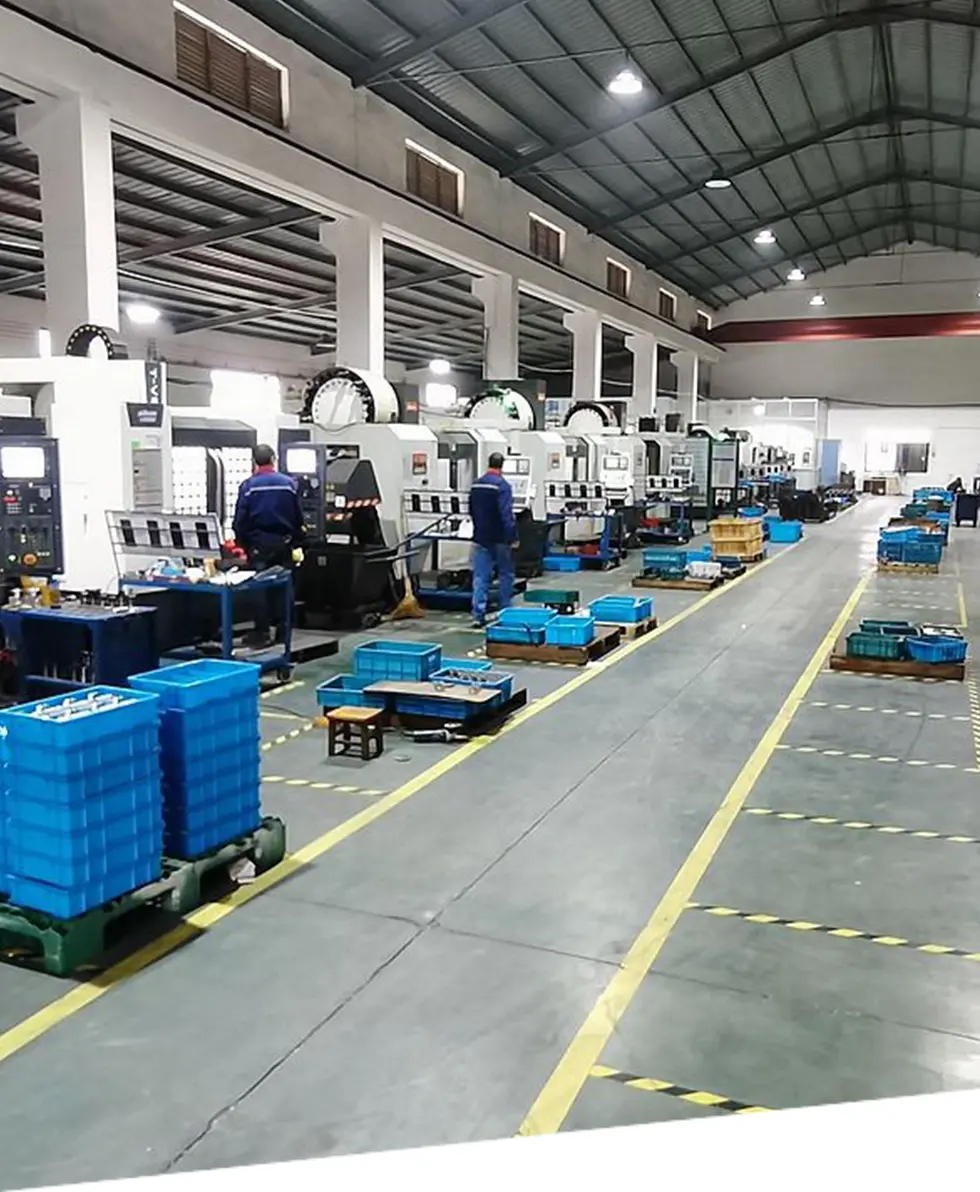
To address this bottleneck, Hongrui utilizes its impressive factory setup: 50 high-end CNC machine tools, including vertical, horizontal, three-axis, four-axis, and five-axis units. This hardware powerhouse controls tolerances to a remarkable ±0.0002 inches (±0.005 mm). This level of precision is crucial for manufacturing laser brackets, optical rails, and dynamic mirror positioning cages that prevent structural vibration during high-speed vector passes.
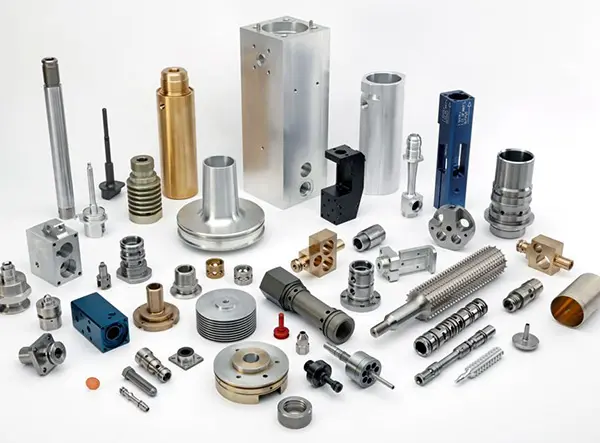
Hongrui works with a wide range of materials, including aluminum, stainless steel, copper, nickel, cobalt, tungsten, titanium, and specialized plastics. Additionally, they provide extensive finishing options like rust removal, tapping, sandblasting, anodizing, vibration finishing, pressure testing, cleaning, and full custom system assemblies, offering a true one-stop-shop for global B2B laser integrations.
How distinct industry sectors deploy high-power laser upgrades in localized manufacturing operations.
The true strength of a 7W blue laser diode lies in its versatility. By mounting a highly collimated blue diode directly onto a CNC router spindle axis, engineers unlock a wide array of application pathways:
Exhaustive technical queries answered by veteran laser integration engineers and production directors.
Semiconductor laser diodes are highly sensitive to thermal spikes. When operating a 7W diode at a high duty cycle, heat must be quickly pulled away from the junction point to maintain the 450nm target wavelength and protect the crystal face. Qualified factories design deep-finned copper or aluminum heatsink modules paired with active, high-volume fans (at least 12 CFM). Maintaining a steady ambient operating temperature below 35°C (95°F) is critical. Thermal interface pads must have high conductivity rating (>5 W/m-K) to ensure the laser does not degrade prematurely.
No, a 7W continuous-wave diode laser at 450nm wavelength does not have the peak power density required to cut industrial metals like stainless steel, steel, titanium, or copper. However, it is highly capable of marking and engraving these metals. This is done either by directly marking onto dark anodized oxide layers, or by applying specialized thermal-bonding sprays (like Cermark). The laser bonds the marking material to the metal substrate, creating highly durable, wear-resistant marks. For actual cutting of thick metals, high-power fiber lasers starting at 500W are required.
We achieve this precision through a state-of-the-art facility featuring 50 advanced CNC machine tools, including vertical, horizontal, and 5-axis machining centers. In our temperature-controlled workshops, we use high-end coordinate measuring machines (CMM) and optical profile projectors to verify dimensions throughout production. Our technicians carefully calibrate spindle speeds, utilize specialized toolpaths, and select premium materials to eliminate micro-vibrations, ensuring every custom optical mount, mirror cage, and bracket meets our strict ±0.005mm standard.
Any laser module emitting over 500mW of optical energy is categorized as a Class 4 laser. A 7W (7000mW) system can cause immediate, permanent optical and skin damage from direct or scattered beams. When integrating these modules, operators must wear certified safety goggles rated with an Optical Density (OD) of 5+ at the 450nm wavelength spectrum. Additionally, the workspace must be fully enclosed with interlock switches that instantly disable power if the safety cover is opened during operation.
Unlike standard LEDs, laser diodes are extremely sensitive to voltage spikes. A small surge can lead to a massive spike in current, resulting in instant catastrophic optical damage (COD). Constant-current driving circuits act as a protective barrier, keeping current levels steady even when input voltages fluctuate. Furthermore, constant-current systems support clean PWM modulation, allowing users to make precise, high-speed power adjustments for highly detailed grayscale engraving.
Explore our specialized technologies, featuring multi-axis machining centers and custom post-processing solutions designed for demanding industrial operations.
 Hongrui Model