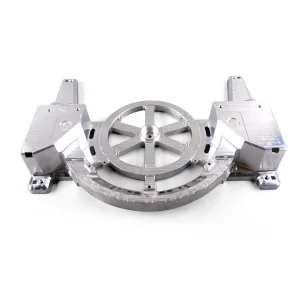
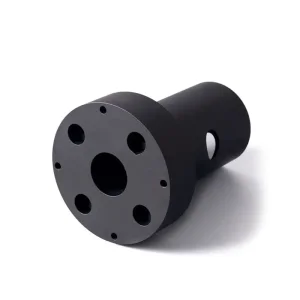
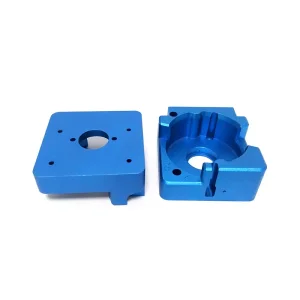
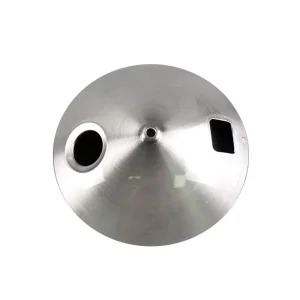
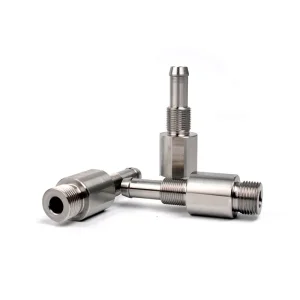
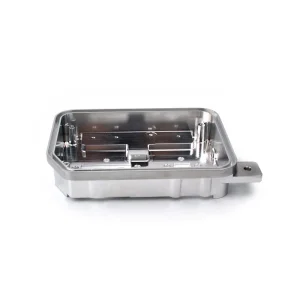
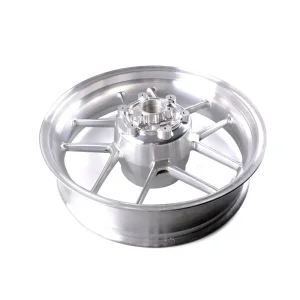
Explore our high-performance CNC systems, swiss lathe processing modules, and micro-precision technologies engineered to strict ISO tolerances.
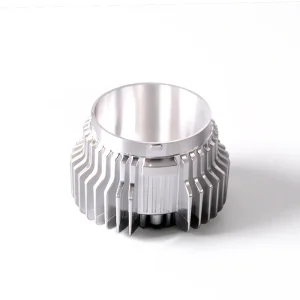
In modern structural engineering, aluminum profile extrusion frameworks form the foundation of automated machine beds, robotic cells, cleanrooms, and testing enclosures. Within these structural systems, the modest M5 T Nut (T-slot nut) functions as the critical connection mechanism. Designed to slip or roll effortlessly into the t-slots of standard 2020, 3030, or 4040 aluminum profiles, the M5 T Nut establishes high-tension structural integrity without requiring complex welding or permanent metal fabrication.
Understanding the micro-mechanics of these components is vital for global procurement managers and structural designers. The engineering performance of an M5 T Nut depends significantly on its dimensional tolerances, thread depth accuracy, surface coating quality, and raw material composition. Standard low-tier manufacturing leads to localized strip-outs, thread binding, and dynamic joint relaxation under vibrational loads, putting complex automated machinery at severe operational risk.
How automation, advanced materials, and strict tolerances are reshaping the demand for high-grade T-slot fastening elements.
Traditional T-nuts required manual end-loading, meaning technicians had to slide the nut from the open end of a structural extrusion. Modern automated assembly processes mandate the use of roll-in (drop-in) M5 T nuts, which can be placed directly into the slot at any point along the extrusion length. This drastically reduces modular framework build times by up to 45%.
Industries are shifting from basic carbon steel to high-tensile alloy classes (Class 8.8 and above) and Grade 304 or 316 Stainless Steel. These materials prevent structural deformation during high-torque tightening. Modern requirements also dictate specialized surface finishes, such as zinc-nickel plating and high-grade anodization, to survive harsh environments.
As smart manufacturing takes hold, T-nuts are being optimized for integration with sensors and mounting plates. The accuracy of the thread pitch and width tolerances becomes critical when automated robotic arms assemble profile grids without human intervention, requiring zero jamming rates.
Procurement teams inside Fortune 500 automotive OEMs, industrial automation firms, and medical equipment manufacturers recognize that fastener failure leads to catastrophic down-time. Selecting an M5 T Nut supplier is no longer just a question of unit price; it is a holistic evaluation of the supplier's technical capabilities, material traceability, and manufacturing quality control.
Key enterprise requirements focus on:
| Standard Specification | Material Class Options | Common Surface Treatments | Ideal Application Domain |
|---|---|---|---|
| DIN 508 / ISO 299 Equivalent | Carbon Steel (Class 8.8, 10.9) | Zinc Plating (Cr3+), Nickel Plating | Heavy-duty machinery frame joints, assembly lines |
| Custom Slim T-Nut (Roll-in type) | Stainless Steel (AISI 304, AISI 316) | Passivation, Electro-polishing | Medical equipment, semiconductor cleanrooms |
| Thread-locking T-Nut | Alloy Steel / Spring steel clips | Black Oxide, Zinc Flake | Vibrational test beds, aerospace test rigs |
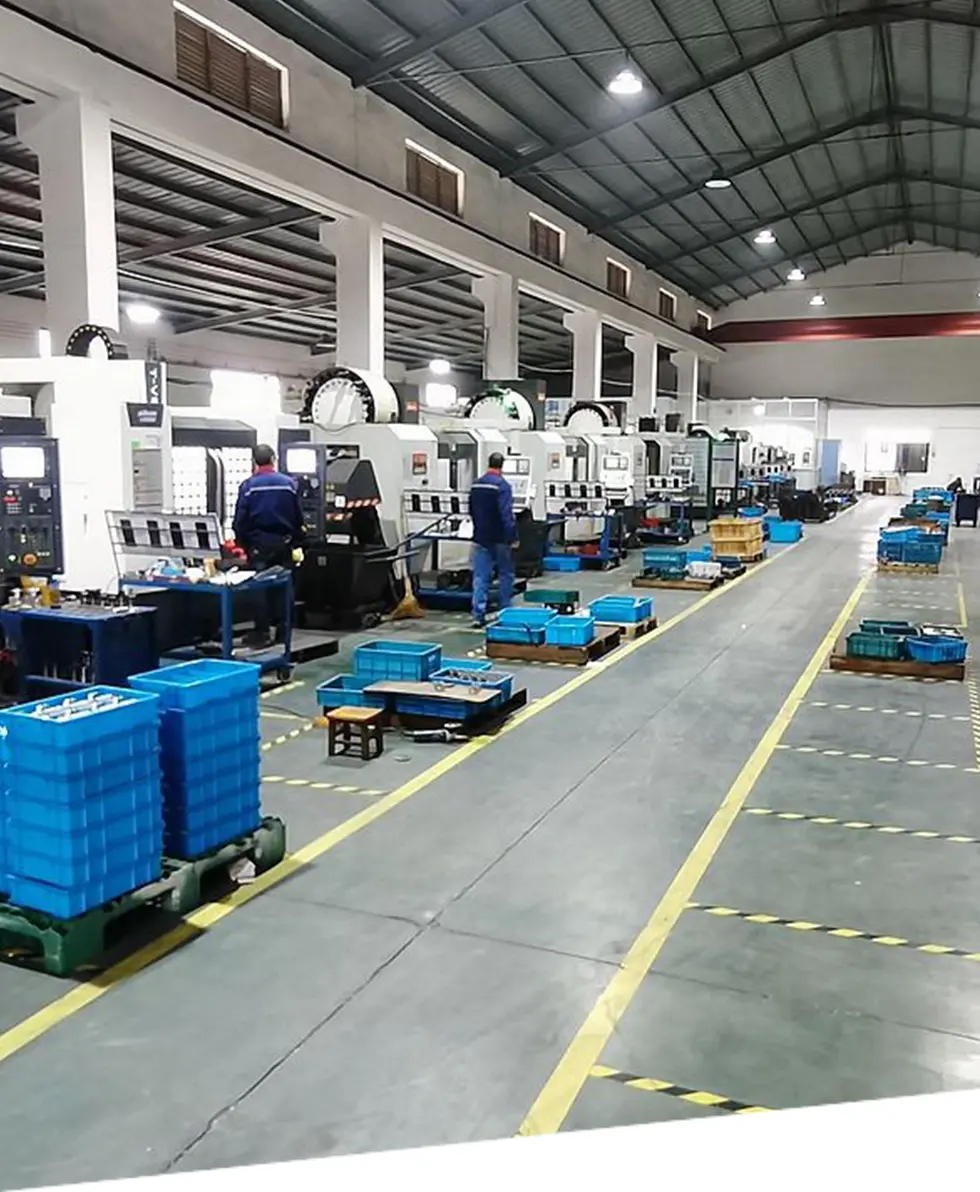
Representing the vanguard of manufacturing advancement, China's Factory 4.0 infrastructure integrates advanced machining systems to produce precision parts at scale. Leading this technological revolution is Dongguan Hongrui Model Technology Co., Ltd.
Established in 2019 with a registered capital of 5 million yuan and currently employing over 100 highly skilled technicians, Hongrui has emerged as one of China's top rapid prototyping and precision manufacturing centers. Specializing in high-accuracy, cost-effective OEM CNC machined parts, the company's hardware and components serve industries like automotive, medical, aerospace, robotics, communications, and consumer electronics.
Our manufacturing facility houses 50 state-of-the-art CNC machine tools, including vertical, horizontal, three-axis, four-axis, and five-axis CNC machining centers. This high-capacity setup allows Hongrui to scale production dynamically while shortening lead times. The optimal tolerance for custom products is controlled within ±0.0002 inches (±0.005 mm), ensuring seamless mechanical fit for custom-milled T-nuts and precision structural adapters.
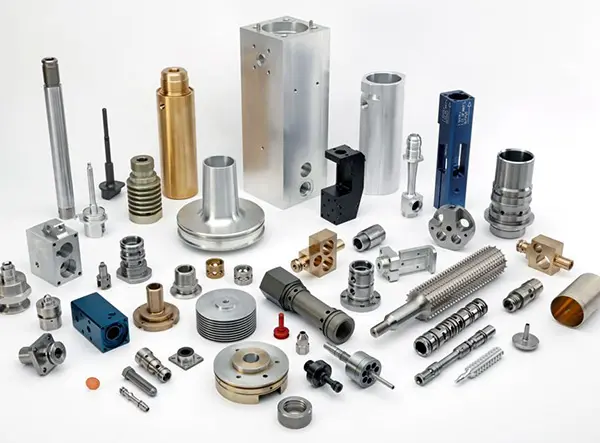
Hongrui's CNC machining expertise spans a wide range of materials, including aluminum, stainless steel, copper, nickel, cobalt, tungsten, titanium, and various engineering polymers. Beyond core CNC milling and turning, the company offers grinding, slotting, tapping, deburring, drilling, and secondary operations. This is supported by comprehensive finishing capabilities, such as bead-blasting, chemical passivation, polishing, dynamic balancing, pressure testing, and multi-component cleanroom assembly.
In 2020, Hongrui passed a detailed quality system audit by SGS, leading to official "GB/119001-2016 ISO 9001:2015" certification in 2023. During the same year, the facility passed SGS environmental audits, proving its commitment to green manufacturing. Through strict adherence to ISO standards, meticulous material sorting, and precision management, Hongrui guarantees flawless component quality and high client satisfaction worldwide.
Where precision M5 T-slot nuts and custom CNC hardware are deployed across modern industrial sectors.
In automated automotive body shops, robotic arms require rigid structural frames to maintain calibrated positional accuracy. M5 T-nuts secure electronic sensors, cable management tracks, and safety light curtains directly onto structural extrusions. They withstand constant vibrational stresses without loosening.
For MRI machines, diagnostic scanners, and pharmaceutical lab automation systems, components must be non-magnetic and highly resistant to cleaning chemicals. Stainless steel (316 grade) M5 T nuts, passivated to prevent corrosion, are crucial for mounting internal structural elements and panel systems.
Semiconductor fabrication facilities rely on ISO Class 4 cleanrooms. Standard hardware that sheds metallic dust during installation is not permitted. Hongrui's dynamic-image CNC boring and precision grinding ensure clean-threaded M5 T-nuts that assemble smoothly without micro-galling or particle generation.
Get professional answers to technical questions about selection, design tolerances, and high-performance fastening applications.
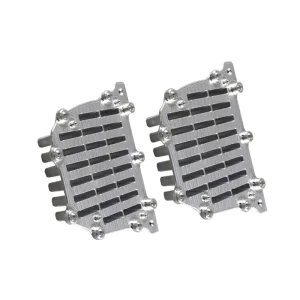
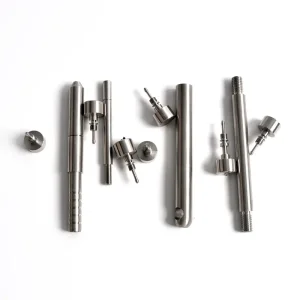
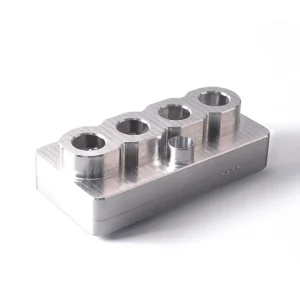
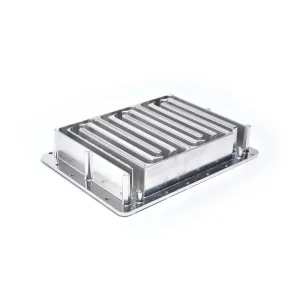
A comprehensive view of our processing technologies, including slotting, grinding, turning, and rapid prototyping systems.
Reduce assembly defects, improve structural reliability, and secure lead times with Hongrui's advanced manufacturing capabilities. Request a detailed quote or samples for your specific engineering project today.
Submit RFQ & Technical Drawings Hongrui Model