An expert guide on molecular structural optimization, metallurgical equipment standards, and production line requirements for high-performance organic trace minerals.
In modern animal nutrition, agronomy, and high-end biotechnology, trace element supplementation has shifted away from traditional, low-performance inorganic metal salts (such as zinc sulfate or oxide) toward highly bioavailable organic metal chelates. Among these, Zinc Methionine stands out as the gold standard of organic zinc nutrition. Formulated at a precise stoichiometric ratio, this complex bonds a single zinc ion to methionyl ligands, shielding the mineral from undesirable dietary antagonisms within the digestive system.
However, the manufacturing of high-purity, premium-grade Zinc Methionines demands extreme rigorous chemical synthesis environments, precise temperature profiling, and zero heavy metal tolerance. For global procurement officers, choosing the right manufacturer goes beyond identifying the cheapest chemical formulation. It requires partner factories capable of delivering custom-engineered production components—such as high-grade chemical reactors, micro-precision nozzles, and anti-corrosive machinery—to ensure the structural integrity of the chelate bond during industrial spray drying and molecular isolation.
"True organic chelation is not a simple dry physical blend. It requires an exact aqueous environment where covalent-coordinate bonds are formed under precise thermodynamic equilibrium. Without precision-drilled, zero-contamination fluid control components, local factories risk producing incomplete chelates that rapidly dissociate in acidic gut pH levels."
Organic zinc methionine structures bypass traditional mineral absorption pathways. Instead of competing for metal ion transporters (DMT1) in the intestinal mucosa, they utilize the oligopeptide and amino acid transport pathways (such as LAT1). This active transport mechanism ensures that even in the presence of strong antagonists like phytates, fiber, or excessive calcium, the absorption rate remains exceptionally high. To consistently synthesize a molecule capable of this bio-transport, chemical processing factories require specialized high-precision reactor impellers and custom CNC-drilled fluid separation elements to control shear rates and reaction residence times.
From environmental directives to advanced agricultural practices, analyzing the multi-billion dollar shift in trace mineral demand.
Governments worldwide, led by EFSA and FDA directives, are enforcing strict limits on heavy metals (Lead, Arsenic, Cadmium) in commercial feed chains. Trace element factories are transforming their infrastructure using custom CNC precision-milled titanium/stainless steel process components to eliminate chemical leaching and cross-contamination during production cycles.
Global buying conglomerates no longer accept "total zinc content" as the sole quality metric. Purity validation via FTIR spectroscopy is now mandatory to prove the exact chelation rate (1:1 and 1:2 ratio structures). Producing these validated products demands precise physical-chemical processing machinery with microscopic tolerance controls.
Large-scale livestock integrators demand custom physical granules (dust-free micro-pellets, highly soluble liquid-chelate concentrates) to match modern feed-milling processes. This customization requires equipment factories to quickly prototype, tool, and configure custom extrusion dies, spray-drying atomizers, and separation grids.
Consequently, the market for Zinc Methionine is transitioning from a generic agricultural commodity to a specialized, engineering-reliant product. Factories that rely on obsolete, carbon-steel reaction vessels are rapidly being phased out due to rust formation, erratic heat distribution, and unstable chelation outcomes. High-performance factories now utilize 5-axis CNC machined stainless-steel reactors, custom-anodized cooling systems, and advanced EDM-fabricated fluid slotting nozzles to execute sophisticated molecular syntheses reliably.
Hongrui is one of the top rapid prototyping companies in China.
Dongguan Hongrui Model Technology Co., Ltd. was established in 2019 with a registered capital of 5 million yuan and currently employs over 100 people. We are one of the best rapid prototyping companies in China, specializing in low-cost OEM CNC machining parts manufacturing. Our products are mainly used in industries such as automotive, medical, electronic, aerospace, machinery, communications, toys, and smart devices.
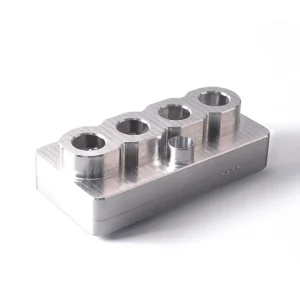
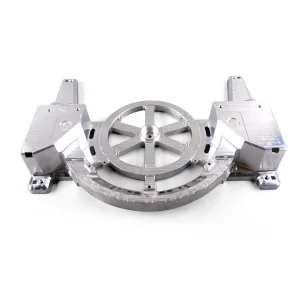
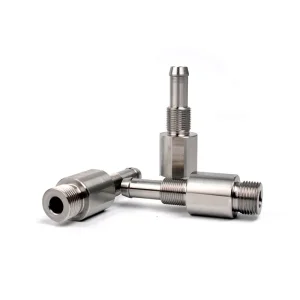
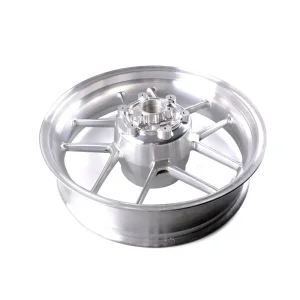
By offering state-of-the-art metal and plastic custom fabrication, Hongrui provides the critical high-precision machinery components, reactor fittings, fluid nozzles, and custom-anodized parts required by global chemical processing facilities and advanced Zinc Methionine manufacturers to secure their supply chain integrity.
Quality Assurance: We have invested a significant amount of money in quality and production environments. In 2020, we passed the quality system audit by SGS company, and in 2023, we obtained the "GB/119001-2016 ISO 9001:2015" certificate. In the same year, we also successfully passed the SGS company's environmental system audit. Hongrui strictly implements the provisions of ISO, guaranteeing the product quality and customer satisfaction of CNC machining through meticulous management details.
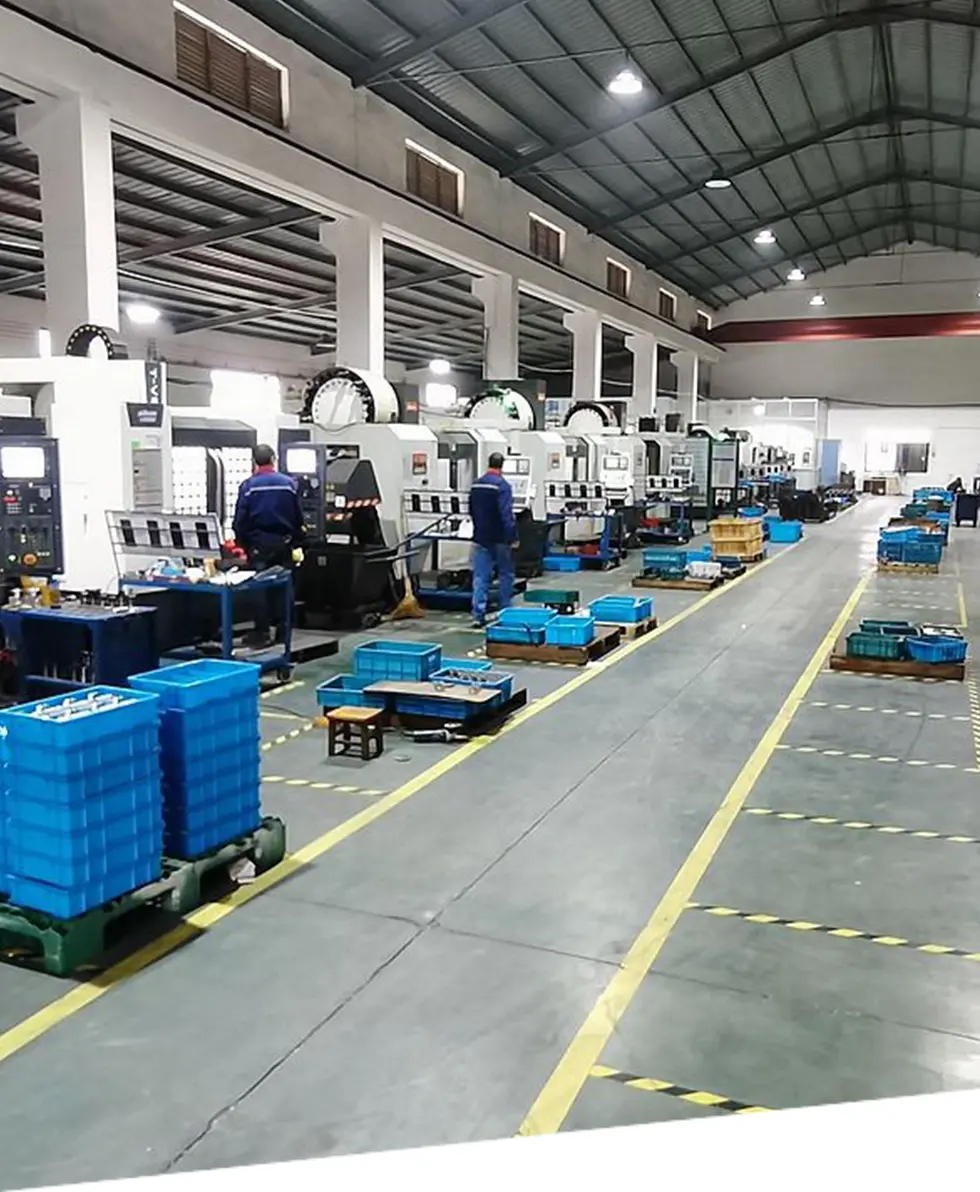
High-speed operations, micro-tolerances, and complete materials suite to engineer components for advanced Zinc Methionine reactors.
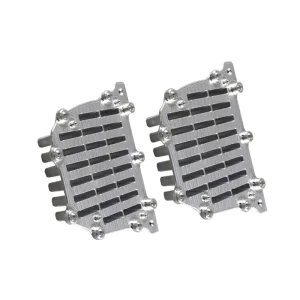
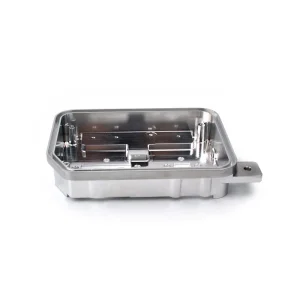
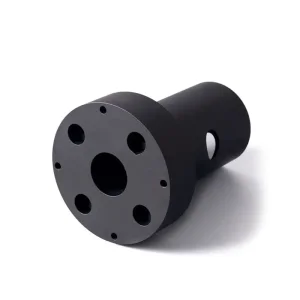
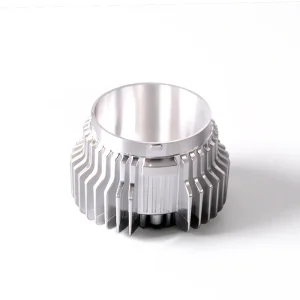
Hongrui has a total of 50 CNC machine tools, including vertical, horizontal, three-axis, four-axis, and five-axis CNC machine tools, which can significantly shorten delivery time. The optimal tolerance can be controlled within ±0.0002 inches and ±0.005 mm, making it suitable for manufacturing OEM parts.
Our CNC machining capabilities cover a variety of materials such as aluminum, stainless steel, copper, nickel, cobalt, tungsten, titanium and various plastic parts. In addition to CNC machining, we also offer grinding, milling, turning, deburring, drilling and other services, as well as a variety of surface treatments including rust removal, tapping, sandblasting, polishing, vibration finishing, pressure testing, cleaning and assembly.
During the manufacturing of high-quality Zinc Methionine, the acidic nature of amino acid solutions poses an ongoing corrosion challenge. When organic chemical mixtures are agitated inside standard industrial containers, low-grade iron or copper alloys will slowly dissolve. This introduces unwanted, highly toxic heavy metal contaminants (such as Lead and Cadmium) directly into the final crystalline powders.
By leveraging Hongrui’s high-precision 5-axis CNC milling and advanced chemical anodizing surface treatments, manufacturers can transition to reactors lined with inert surgical-grade stainless steel (SUS316L) or premium Titanium alloys. These non-reactive surfaces prevent metal ion leaching, ensuring complete FDA and EFSA safety compliance for downstream feed and cosmetic formulations.
Furthermore, micro-drilled spray nozzle tips designed via custom EDM (Electrical Discharge Machining) guarantee uniform droplet sizing during the critical spray-drying process, resulting in highly consistent particle sizes, optimal bulk densities, and exceptional aqueous solubility.
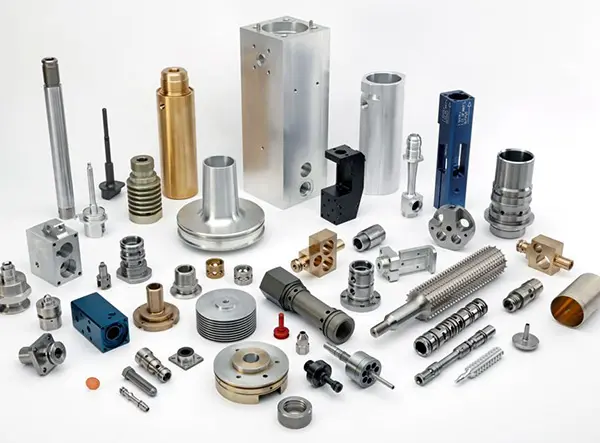
How our advanced manufacturing systems help global purchasing networks bypass regulatory roadblocks, cut overhead costs, and secure localized engineering support.
Purchasing agents seeking top-tier Zinc Methionines are faced with complex regulatory demands and logistics bottlenecks. For instance, European imports are strictly governed by EFSA regulations, while North American markets require rigorous FDA approval and FSMA safety certifications. Maintaining complete supply-chain traceability requires not only highly consistent chemical properties but also robust mechanical hardware that is easy to clean, sanitize, and validate.
Through our comprehensive, vertically integrated services, Hongrui bridges this gap. We provide global chemical factories with high-precision components that are pre-certified and customized to match diverse local compliance standards. This ensures quick integration with local equipment setups and enables effortless compliance validation during regulatory site inspections.
We machine customized reactor valves, high-pressure fluid fittings, and spray nozzles that integrate perfectly into both classic metric-based European chemical lines and imperial-standard US processing systems, minimizing setup downtime.
Our SGS-audited environmental management system guarantees that all components are manufactured under clean, eco-friendly conditions, preventing chemical contamination and matching green-manufacturing initiatives perfectly.
Our specialized rapid-prototyping services allow chemical engineers to quickly test, iterate, and refine new reactor impeller shapes or fluid-dynamics modifications within days rather than months, speeding up market rollouts.
A forward-looking view into the integration of AI-monitored microfluidics and ultra-precision hardware in organic chelation systems.
The future of Zinc Methionine production lies in transitioning from standard batch reactors to continuous, AI-driven microfluidic chelation systems. Rather than mixing thousands of liters of reagents in giant tanks, microfluidic channels continuously combine reactants at microscopic levels. This delivers absolute control over pH and temperature gradients, resulting in close to 100% chelation efficiency with zero by-product formation.
Developing these microfluidic channels requires extremely tight machining tolerances. Standard manufacturing techniques cannot carve out the micro-channels and high-precision fluid slots needed to run continuous-flow synthesis. Leveraging Hongrui’s ultra-precision CNC slotting, dynamic-image boring, and advanced EDM technologies, we are actively helping developers craft next-generation, high-speed micro-reactors capable of reliable, continuous organic chelation.
Additionally, advanced anodized protective finishes protect these micro-channels from the abrasive and highly corrosive nature of highly concentrated amino acids, extending system lifespans by up to 300% and lowering overall maintenance overhead for high-capacity chemical factories.
Expert answers addressing chemical stability, micro-machining tolerances, and procurement risk-mitigation strategies.
A precise 1:1 or 1:2 stoichiometric ratio ensures that the zinc ion is completely enveloped by the methionyl ligand's nitrogen and oxygen coordinate-covalent bonds. If the ratio is off, unchelated inorganic zinc remains in the mix, leaving it vulnerable to being blocked by phytates in the digestive tract and significantly reducing its bioavailability.
Acidic reaction mixtures (such as liquid methionine and zinc sulfate solutions) will corrode standard cast-iron or carbon-steel reactor parts. This corrosion slowly leaches dangerous heavy metals like Lead, Cadmium, and Nickel into the compound. Utilizing Hongrui's corrosion-resistant titanium and stainless-steel custom-milled parts ensures total compliance with EFSA and FDA heavy-metal limits.
Complex parts, such as multi-angle reactor impellers or specialized fluid separation valves, require continuous 5-axis CNC milling to eliminate machining seams. Seamless, single-setup manufacturing prevents microscopic crevices where residue can accumulate, drastically simplifying sanitation cycles and avoiding batch cross-contamination.
Anodized surfaces significantly increase raw metal hardness and reduce surface friction. In spray-drying and cyclonic dust collectors, this prevents sticky, hydroscopic Zinc Methionine powder from clinging to the walls of the chambers, which increases throughput and minimizes maintenance downtime.
 Hongrui Model