In the world of precision engineering, the 1:50 scale diecast category represents more than just collectible models; it is the industrial benchmark for heavy machinery, construction equipment, and logistical visualization. For global ODM (Original Design Manufacturers), mastering the 1:50 scale requires a confluence of metallurgical expertise, high-fidelity CNC machining, and intricate surface finish technologies.
As industrial automation and infrastructure projects surge globally, the demand for high-accuracy 1:50 replicas has evolved. These models are now critical for corporate strategy, engineering education, and stakeholder presentations. This guide explores the technological roadmap and manufacturing excellence required to compete in the top-tier diecast market.
Hongrui is recognized as one of the premier rapid prototyping and precision manufacturing hubs in China. Established in 2019, Dongguan Hongrui Model Technology Co., Ltd. has rapidly scaled to become a leader in the CNC machining and diecast-related components sector.
Our commitment to excellence is backed by a registered capital of 5 million yuan and certifications including "GB/119001-2016 ISO 9001:2015". By strictly implementing ISO provisions, Hongrui ensures that every component—whether for automotive, medical, aerospace, or smart device industries—meets the most rigorous international standards.
The 1:50 diecast market is currently dominated by the construction and mining sectors. Major OEMs (Original Equipment Manufacturers) use these models as high-value marketing assets. The shift toward "Precision ODM" allows brands to create hyper-realistic replicas with functional moving parts.
In Europe and North America, 1:50 models are integral to engineering trade shows. In the Asia-Pacific region, they serve as essential visual tools for urban planning and massive infrastructure bids, showcasing structural designs before a single brick is laid.
Factories are pivoting toward eco-friendly alloys and water-based painting systems. The industry is moving away from lead-heavy materials to comply with strict international environmental regulations, ensuring that replicas are safe for all commercial environments.
Phase 1: Digital Twin Integration. Modern 1:50 models start with 3D CAD data provided by machinery manufacturers. We utilize advanced reverse engineering to scale down complex geometries while maintaining functional integrity.
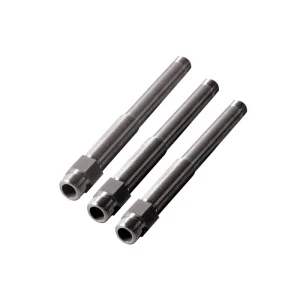
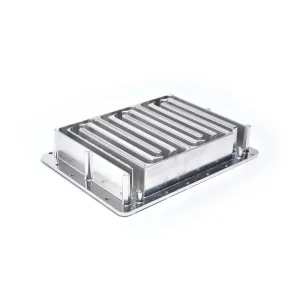
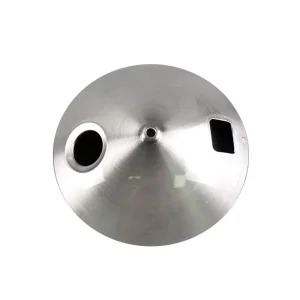
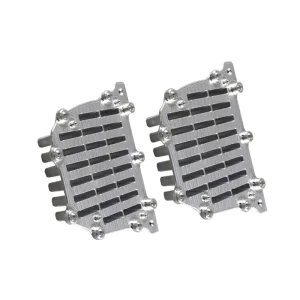
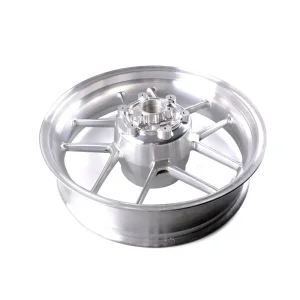
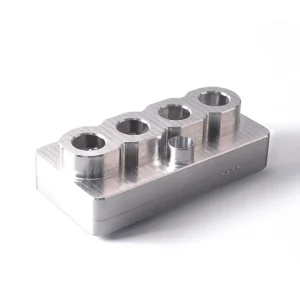
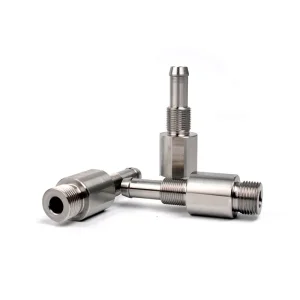
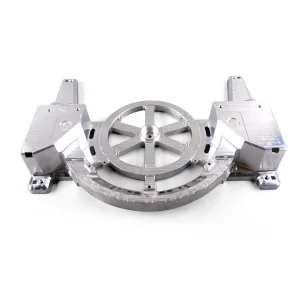
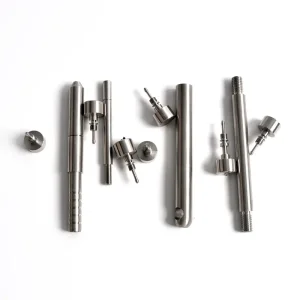
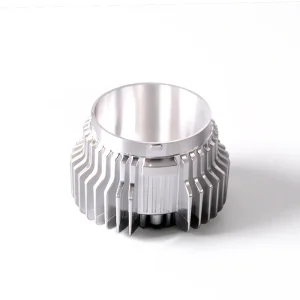
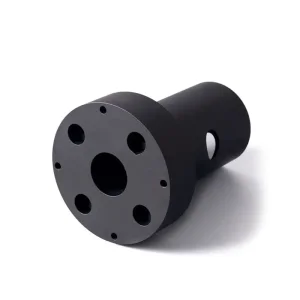
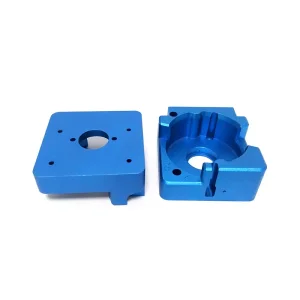
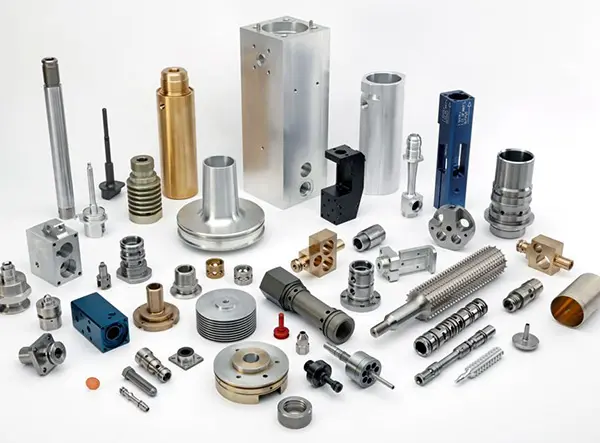
Phase 2: Hybrid Manufacturing. Combining traditional zinc-alloy die casting with high-precision CNC machining (3-axis, 4-axis, and 5-axis) allows for the creation of components that are too complex for simple molds.
Phase 3: Smart Surface Finishes. Future diecast models will incorporate smart coatings, including anti-fingerprint layers and electrostatic powder coatings that mimic the exact texture of full-scale industrial machinery.
Phase 4: IoT & AR. Augmented Reality integration is the next frontier. By scanning a 1:50 diecast model with a mobile device, users can see real-time performance data of the actual industrial machine it represents.
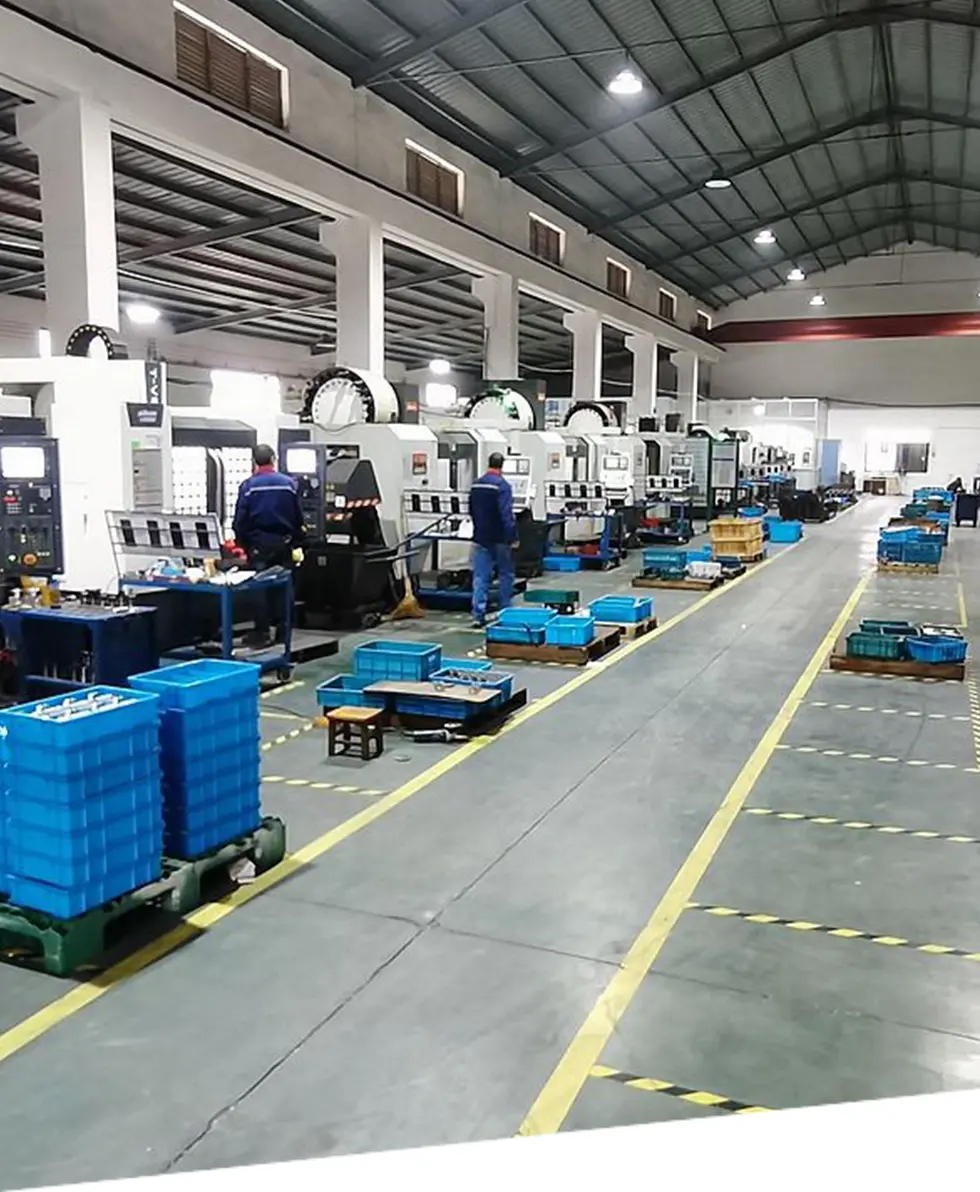
Our manufacturing facility is equipped with a total of 50 CNC machine tools, including vertical, horizontal, three-axis, four-axis, and five-axis systems. This enables us to significantly shorten delivery times without compromising on quality.
Our optimal tolerance control within ±0.0002 inches (±0.005 mm) makes us the ideal partner for high-precision OEM parts used in diecast mold making and assembly.
Providing construction conglomerates with high-fidelity fleet replicas for bid presentations and boardroom displays.
Testing ergonomic designs and hydraulic movements at a 1:50 scale before full-scale prototype investment.
Developing functional scale models for engineering universities to demonstrate mechanical advantages and physics.
 Hongrui Model