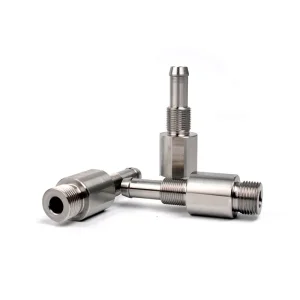
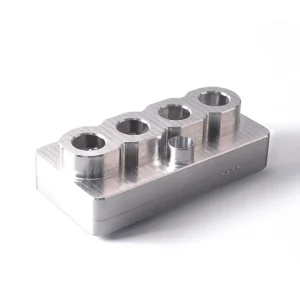
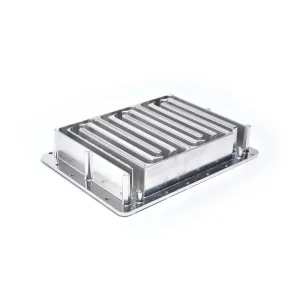
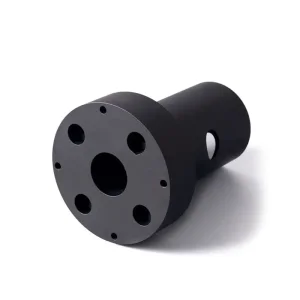
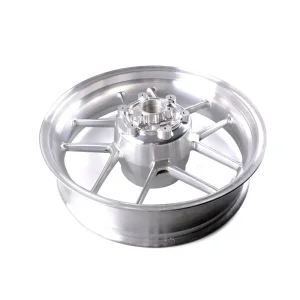
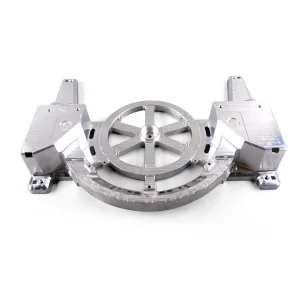
Explore our range of ultra-precision CNC systems, lathe machining operations, and high-tolerance industrial tooling optimized for global manufacturing integration.
In the era of hyper-precision manufacturing, the CO2 laser module remains a cornerstone technology across high-performance material processing applications. Originally utilized for general cutting and engraving, the modern CO2 laser source has transformed into an advanced sub-system. It delivers unmatched wavelength characteristics (typically 9.3µm, 10.2µm, and 10.6µm) essential for organic materials, polymers, glass, and tissue processing. The rising global demand for specialized plastics, biodegradable electronics packaging, and ultra-accurate medical procedures has driven a massive technological migration towards RF (Radio Frequency) excited metal tubes and modular optical systems.
As industrial automation demands higher throughput and minimal maintenance cycles, modern CO2 laser module architectures must integrate seamlessly with high-speed 5-axis CNC machining gantries and automated robotic assembly lines. The focus is no longer solely on output power, but rather on beam quality ($M^2 < 1.2$), power stability (within ±1%), and thermodynamic resilience under continuous heavy-duty cycles. As an experienced ODM manufacturer, we address these complex physical demands by combining structural optimization with strict optical alignment standards.
Transitioning from low-cost glass tubes to metal RF-excited CO2 laser resonators yields superior pulse control, longer operating lifetimes (exceeding 20,000 hours), and high peak powers that improve cutting edge quality and minimize heat-affected zones (HAZ).
Custom ODM solutions require tailoring target wavelengths for specific materials: 10.6µm for standard acrylic and wood cutting, 9.3µm for PET and delicate electronics film patterning, and 10.2µm for polypropylene films.
International procurement agents are moving away from stock components. They now demand customized, field-replaceable modular housings that integrate control electronics, cooling manifolds, and beam shaping optics in one unit.
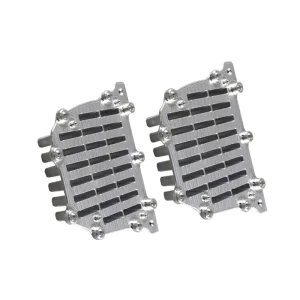
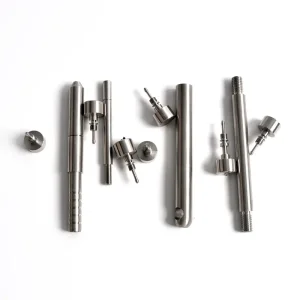
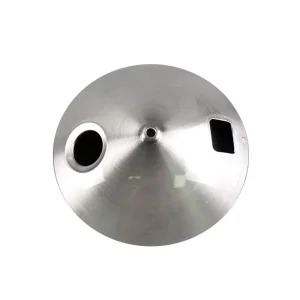
At Dongguan Hongrui Model Technology Co., Ltd. (established in 2019 with a registered capital of 5 million yuan and employing over 100 people), we have built one of the best rapid prototyping and precision manufacturing facilities in China. By combining advanced technology with robust engineering, we design and manufacture high-performance ODM CO2 laser module structures, optical brackets, and structural subsystems.
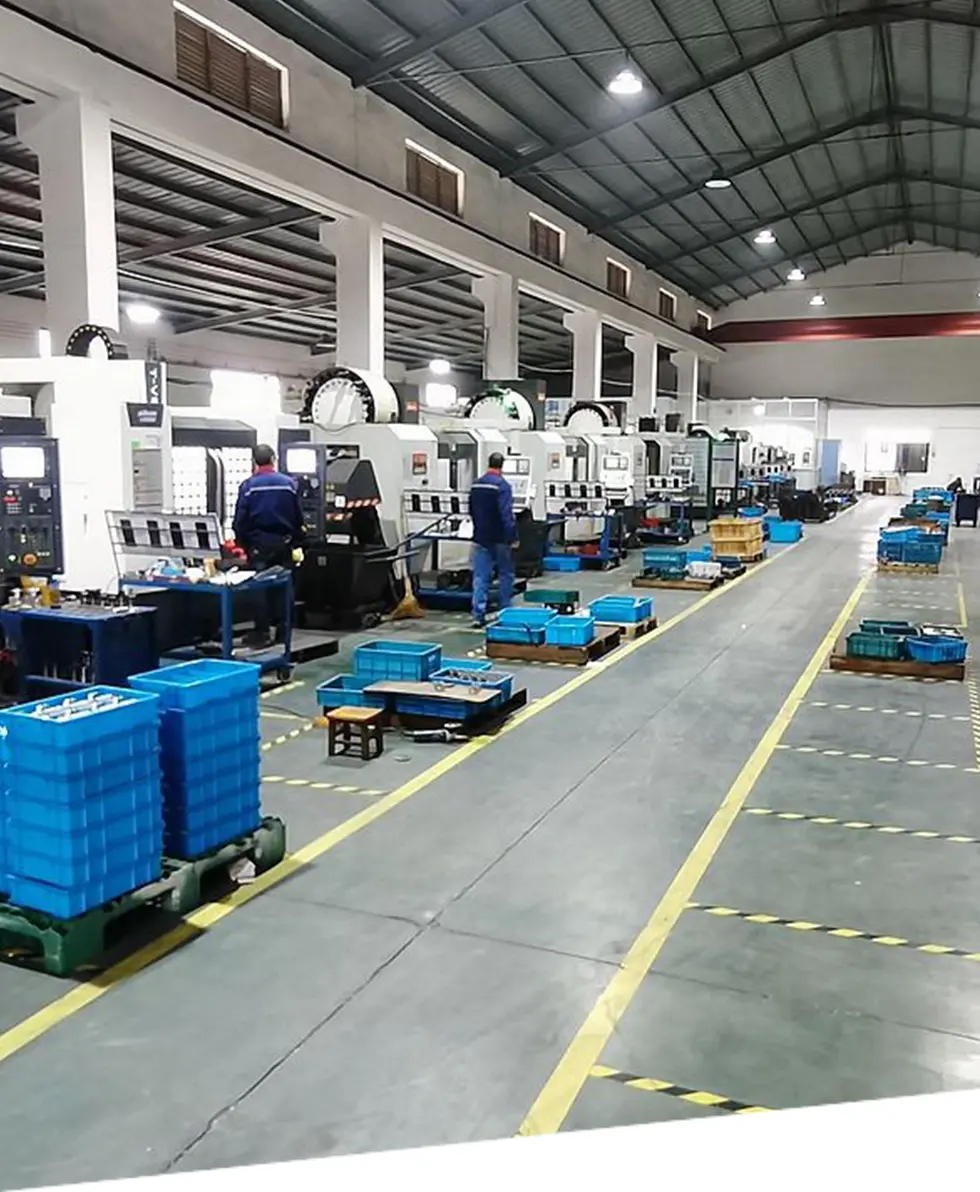
Our facility strictly operates under the GB/119001-2016 ISO 9001:2015 quality management standard, passing environmental audits conducted by SGS Company. With a fleet of 50 CNC machine tools, including vertical, horizontal, three-axis, four-axis, and five-axis setups, we maintain structural tolerances down to ±0.0002 inches (±0.005 mm), ensuring optical path alignment and minimal thermal deflection.
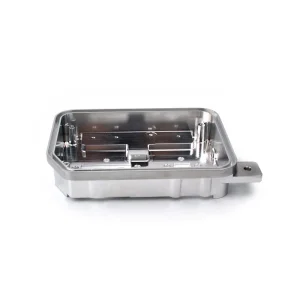
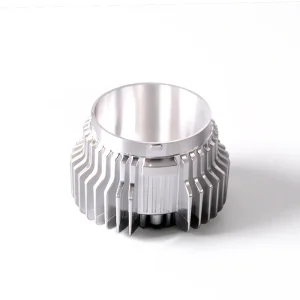
Developing reliable hardware for CO2 laser modules requires a stable supply chain. The structural reliability of a CO2 laser module relies not only on the glass or RF resonator, but also on the precision-milled aluminum housing, optical lens mounts, and liquid cooling channels. These components must withstand continuous temperature shifts and mechanical vibration.
At our manufacturing center in Dongguan, Guangdong, we leverage one of the world's most dense electronics and raw materials ecosystems. Our facility houses 50 CNC machine tools (comprising vertical, horizontal, and 5-axis machining centers), enabling rapid lead times and streamlined production for global clients.
"By integrating advanced CNC grinding, swiss lathe operations, and advanced EDM technologies within a single facility, we eliminate typical B2B multi-vendor delays. We manage the entire component assembly workflow in-house, ensuring tight quality control."
This integrated production model reduces potential failure points. Surface finishes like sandblasting, hard-anodizing, and vibration finishing are completed on-site. This prevents oxidation and corrosion in water-cooled laser housings, protecting them from micro-cracking and coolant leaks. Additionally, all water jackets undergo pressure testing before shipment to ensure long-term durability.
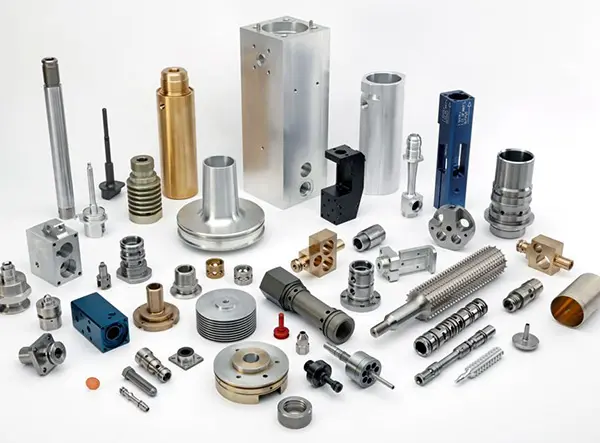
How global industries rely on precision-designed ODM CO2 laser assemblies to maximize throughput and achieve micron-level accuracy.
Surgical laser systems demand strict consistency. Our CO2 laser modules support precise beam modulation, enabling reliable tissue ablation and fractional skin resurfacing under strict ISO 13485-compliant conditions.
Modern vehicle interiors incorporate complex dashboard structures, polymer fabrics, and composite panels. Integrated CO2 modules cut plastic components cleanly, eliminating burrs and the need for secondary mechanical finishing.
In high-speed production lines, CO2 laser modules operating at 9.3µm selectively ablate polyimide layers in flexible circuits. They also handle micro-perforations in packaging with minimal thermal influence on surrounding materials.
Answering key B2B technical questions about optical performance, precision tolerances, and custom ODM design manufacturing.
Explore our anodizing, rapid prototyping, and heavy CNC machinery designed to support high-accuracy manufacturing processes.
 Hongrui Model