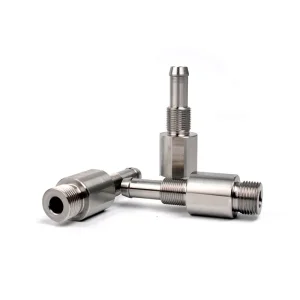
Optimized systems supporting top-tier fastening production, custom component manufacturing, and automated assembly solutions.
The global construction, packaging, and logistics industries rely on high-integrity fastening solutions. At the core of high-volume framing, pallet manufacturing, and structural timber assembly are coil nails. As automated pneumatic nailing systems become more sophisticated, the tolerance requirements for wire collation, angle consistency, and metallurgical coatings have reached unprecedented levels. To sustain these demands, global buyers must partner with advanced ODM Coil Nail Manufacturers and Factories capable of handling custom configurations, localized regulations, and complex metallurgy.
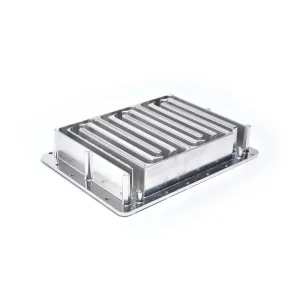
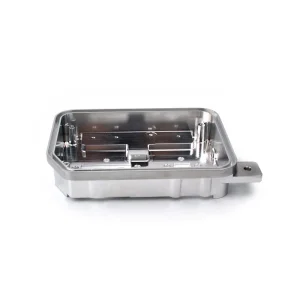
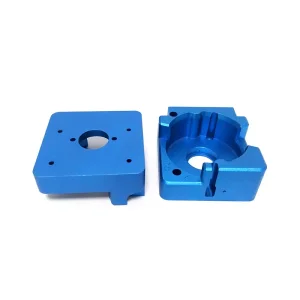
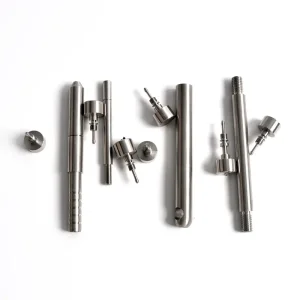
Modern factories are transitioning from basic commodity production to high-precision engineering. Every production step—from raw wire drawing and cold heading to high-frequency thread rolling and automatic wire collation—demands precise tooling. This is where advanced CNC prototyping and custom component machining play an essential role. High-performance tooling is the foundation of high-yield, zero-defect coil nail manufacturing.
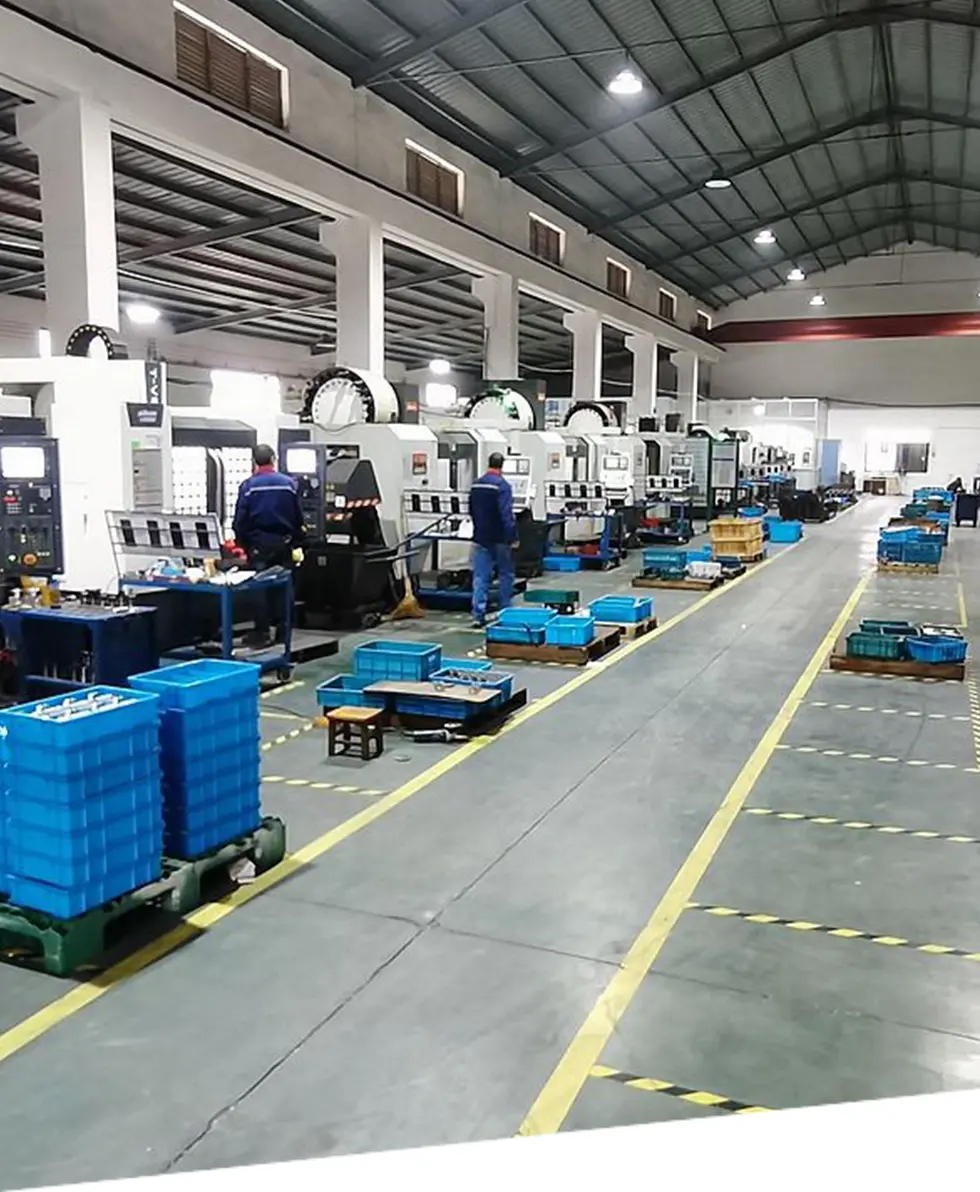
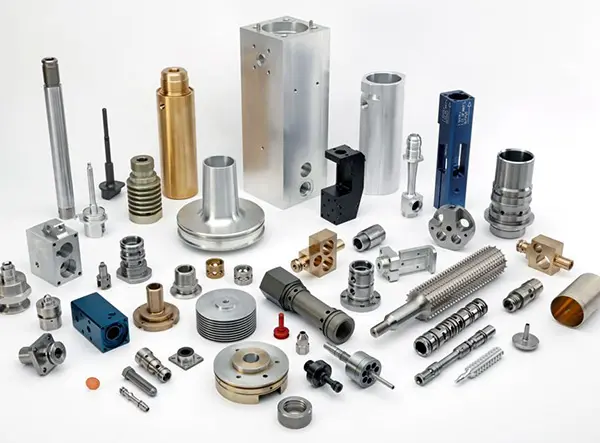
Established in 2019 with a registered capital of 5 million yuan, Dongguan Hongrui Model Technology Co., Ltd. has grown to employ over 100 skilled professionals. We are recognized as one of China’s leading precision CNC machining and rapid prototyping enterprises, specializing in cost-effective OEM/ODM precision components.
Our engineering expertise serves highly demanding sectors including automotive, medical, electronics, aerospace, smart devices, and heavy machinery tooling. In 2020, our quality management framework passed comprehensive SGS audits, leading to our formal GB/119001-2016 / ISO 9001:2015 certification in 2023. Our commitment to strict quality control ensures that our CNC machining and precision manufacturing processes guarantee component longevity and exact physical tolerances.
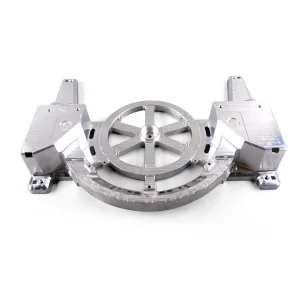
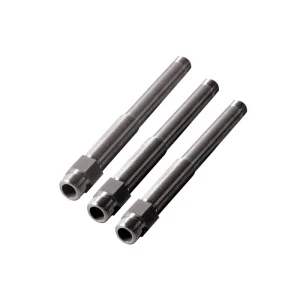
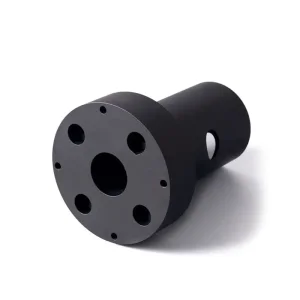
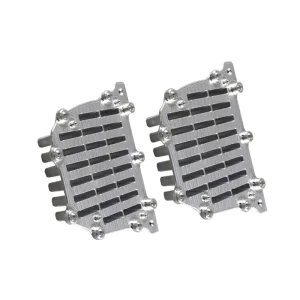
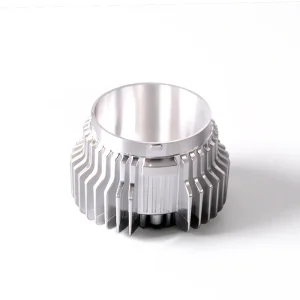
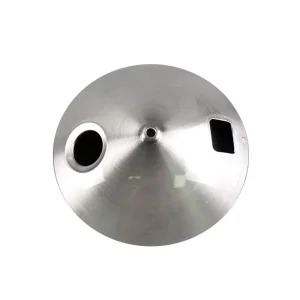
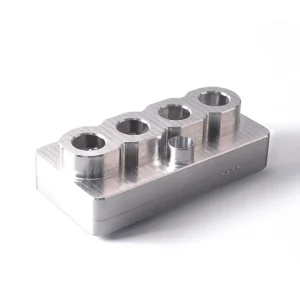
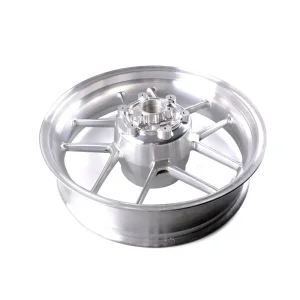
This technical foundation directly benefits the coil nail manufacturing ecosystem. We produce the high-performance cold-heading dies, thread-rolling plates, and collation wheel assemblies that enable coil nail factories to run continuous, high-efficiency production lines without unplanned downtime.
High-speed coil nail lines demand tooling that resists high-friction wear. Here is how our production fleet ensures reliability.
We operate 50 CNC machine tools (vertical, horizontal, 3-axis, 4-axis, and 5-axis) to rapidly prototype and scale wear-resistant dies, ensuring tight tolerances of ±0.0002 inches (±0.005 mm).
Our engineering covers a broad range of industrial materials, including high-tensile carbon steels, tool steels (D2, H13), stainless steel, aluminum, copper, titanium, and specialized structural plastics.
Comprehensive finishing services including precision grinding, hard anodizing, sandblasting, polishing, stress relief, and vibration cleaning for optimized wear life.
Analyzing key shifts in materials, corrosion resistance, and supply chain strategies for modern procurement officers.
Modern pneumatic and gas-actuated framing nailers fire up to 300 nails per minute. Structural builders require coil nails with extremely consistent collation pitch and wire angles (typically 15 degrees) to prevent jamming. Factories must utilize high-precision tooling to keep manufacturing tolerances within micrometer limits.
With building regulations tightening globally, demand is shifting toward Hot-Dip Galvanized (HDG) finishes, stainless steel (Grade 304 and 316), and proprietary polymer-coated nails. ODM manufacturers must offer certified coating thicknesses to meet ISO 9227 salt spray standards.
Importers in North America and Europe must satisfy strict building regulations such as ASTM F1667, CE marking (EN 14592), and ICC-ES criteria. Working with factories that provide fully traceable metallurgical certifications is essential to mitigate liability risks.
A step-by-step breakdown of the automated processes that ensure consistent, high-yield coil nail production.
Raw steel rod (commonly low-carbon grades like Q195 or Q235) is descaled, lubricated, and drawn through a series of tungsten carbide dies. This process reduces the wire diameter to precise limits while cold-working the steel to achieve the required tensile strength.
High-speed header machines cut the drawn wire to length and strike the head in a single blow. The diamond or chisel points are formed simultaneously. The precision of the heading die determines head concentricity, which is crucial for uniform collation.
For ring-shank or screw-shank variations, the blanks run between reciprocating flat dies or rotary circular dies. The pressure plastically deforms the steel shank, creating concentric grooves or helical threads that increase holding power in structural timber.
The raw nails undergo degreasing, acid pickling, and coating. Options include electro-galvanization, hot-dip galvanization (HDG), yellow zinc chromate, or heat-cured anti-friction vinyl coating to reduce driving resistance.
The nails are fed into sorting vibrators, aligned at a 15-degree angle, welded to two parallel coppered steel collation wires (or bound via plastic/paper bands), cut into specific counts (typically 120 to 300 nails per coil), and automatically packed into boxes.
Global supply chain management requires more than just high-quality manufacturing; it demands complete alignment with localized trade regulations and international testing standards. Top-tier ODM coil nail factories manage risks through rigorous compliance controls:
By partnering with an organization like Hongrui for custom equipment fabrication and precision line maintenance, ODM factories can secure higher uptime, ensure dimensional consistency, and scale to meet high-volume global demands.
Every production batch undergoes strict quality control checks before shipment:
Technical insights into sourcing, manufacturing, and deploying OEM/ODM coil nails.
High-grade CNC equipment, advanced EDM solutions, and Swiss-grade lathes built to optimize industrial manufacturing lines.
 Hongrui Model