Conical knurling has evolved from simple functional texturing to a critical component in high-torque mechanical assemblies. Currently, the global market for precision knurled components is projected to grow at a CAGR of 5.8%, driven by the shift towards ergonomic industrial design and the expansion of the high-end consumer electronics sector.
China continues to dominate the ODM landscape through vertical integration. Factories in hubs like Dongguan utilize advanced 5-axis CNC clusters that allow for knurling and primary machining in a single setup, reducing geometric error and lead times by up to 40% compared to traditional multi-process methods.
In North America, conical knurling is prioritized for medical surgical tools requiring non-slip sterilization-friendly surfaces. In the European automotive sector, it is essential for EV motor shafts, where interference fits require micro-precision tolerances of within ±0.005mm.
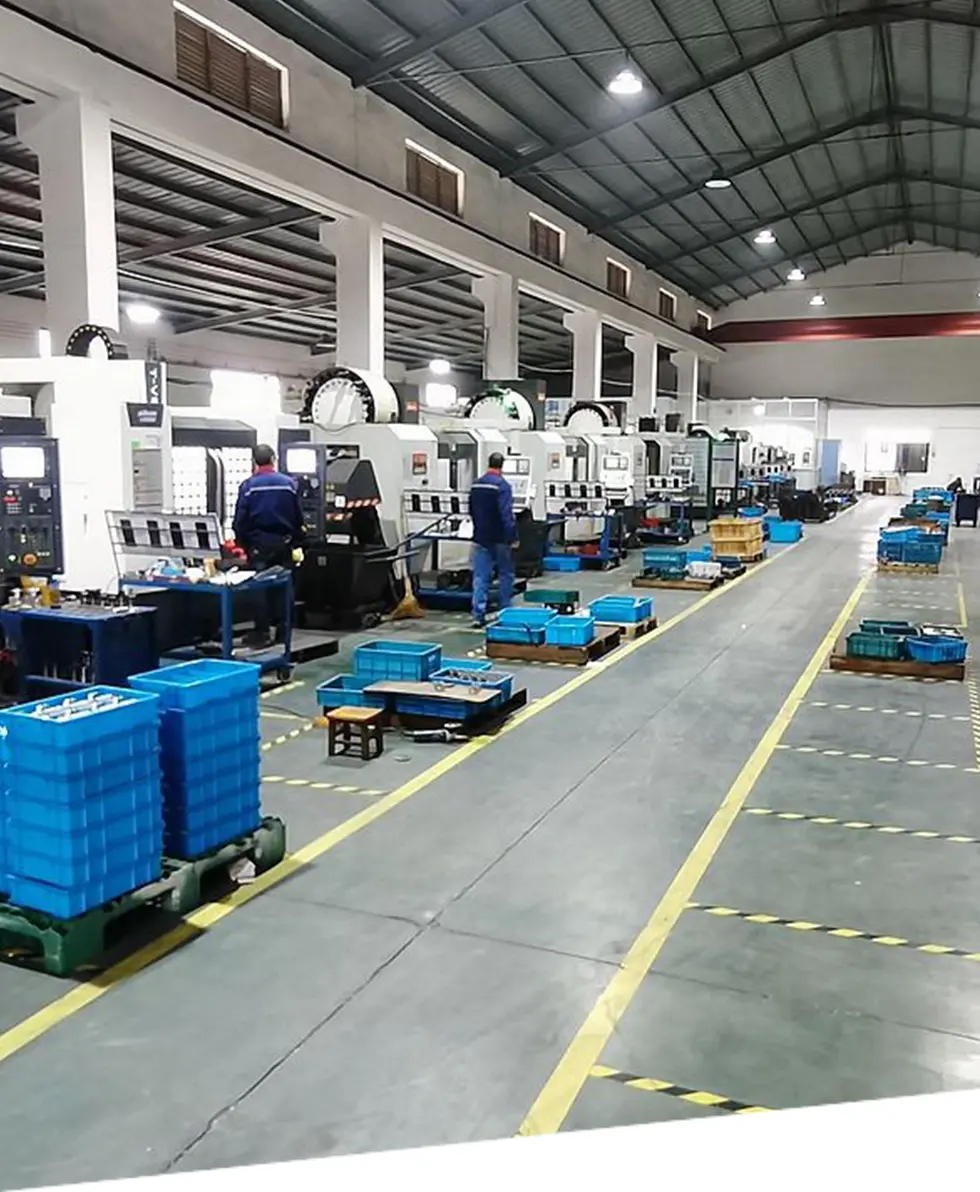
Hongrui is recognized as one of the top rapid prototyping companies in China. Established in 2019 with a registered capital of 5 million yuan, we have rapidly scaled to a team of over 100 specialists. We specialize in low-cost OEM CNC machining parts manufacturing, serving industries such as automotive, medical, electronic, aerospace, and smart devices.
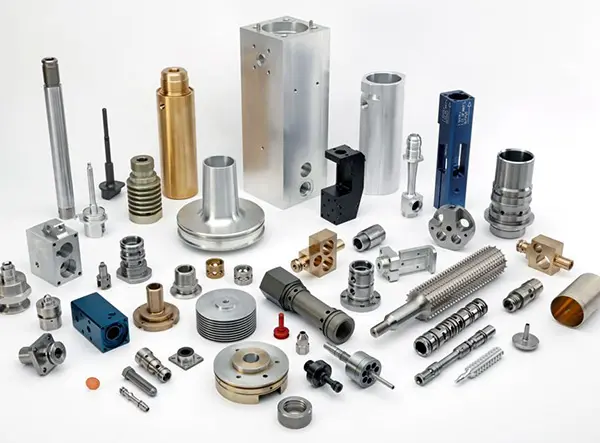
Conical knurling differs from standard cylindrical knurling due to the variable pitch and diameter across the cone's surface. Achieving a uniform texture requires sophisticated Variable Speed CNC Synchronization. At Hongrui, our systems adjust the rotational feed rate in real-time as the tool traverses the taper, ensuring zero overlap or "double-tracking" of the pattern.
Global enterprises are now demanding "Green Manufacturing". Hongrui has passed the SGS environmental system audit in 2023, ensuring that our conical knurling processes minimize coolant waste and utilize recyclable chip management systems.
As devices shrink, the demand for "Micro-Knurling" has surged. Our ability to control tolerances within ±0.0002 inches allows us to manufacture parts for micro-electronics where the texture itself is less than 0.1mm deep but provides essential friction.
The future lies in predictive manufacturing. We use digital twins of our 50+ CNC machines to simulate the knurling process before the first cut is made, ensuring 100% yield on high-cost materials like Cobalt and Tungsten.
 Hongrui Model