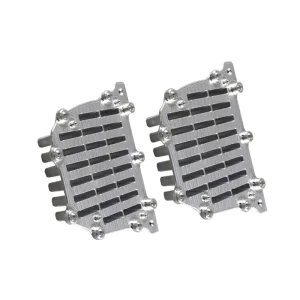
In the contemporary landscape of metallurgy and subtractive manufacturing, the demand for Low Zinc Alloys—specifically Low Zinc Brass and Bronze—has reached a critical inflection point. As global regulations like RoHS and REACH tighten, the industrial world is pivoting toward materials that offer superior dezincification resistance (DZR).
Global commercial trends indicate that sectors such as Offshore Renewable Energy, Subsea Telecommunications, and Medical Grade Instrumentation are increasingly moving away from high-zinc content components due to their vulnerability to selective leaching. A "Low Zinc" approach ensures molecular stability in saline and acidic environments, extending the lifecycle of precision parts by over 40%.
At Hongrui (Dongguan Hongrui Model Technology Co., Ltd.), we recognize this shift. Our ODM capabilities allow us to source and machine high-purity, low-zinc alloys that meet the stringent "Lead-Free" and "Low Leaching" standards required by the US and European markets.
Hongrui is recognized as one of the premier rapid prototyping companies in China. Established in 2019 with a registered capital of 5 million yuan, Dongguan Hongrui Model Technology Co., Ltd. has rapidly scaled to employ over 100 specialists. We focus on low-cost, high-precision OEM CNC machining parts manufacturing.
In 2020, we passed the quality system audit by SGS company. By 2023, we secured the GB/119001-2016 ISO 9001:2015 certificate, alongside an environmental system audit. This ensures our "Low Zinc" production lines adhere to global environmental protocols.
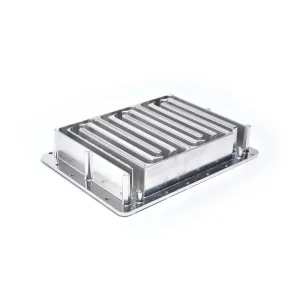
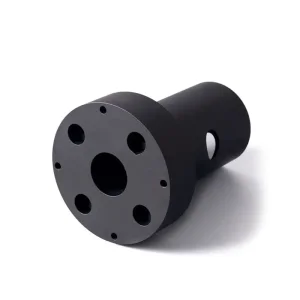
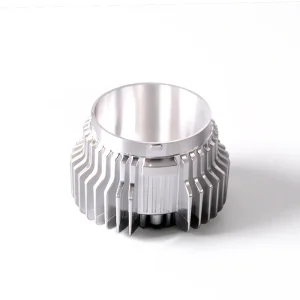
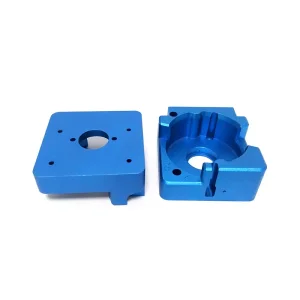
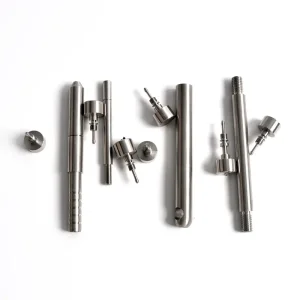
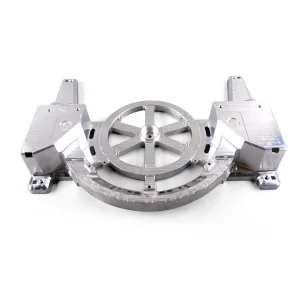
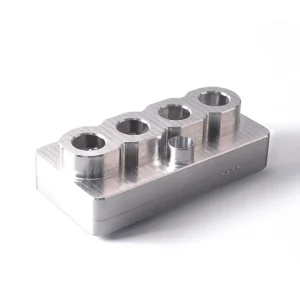
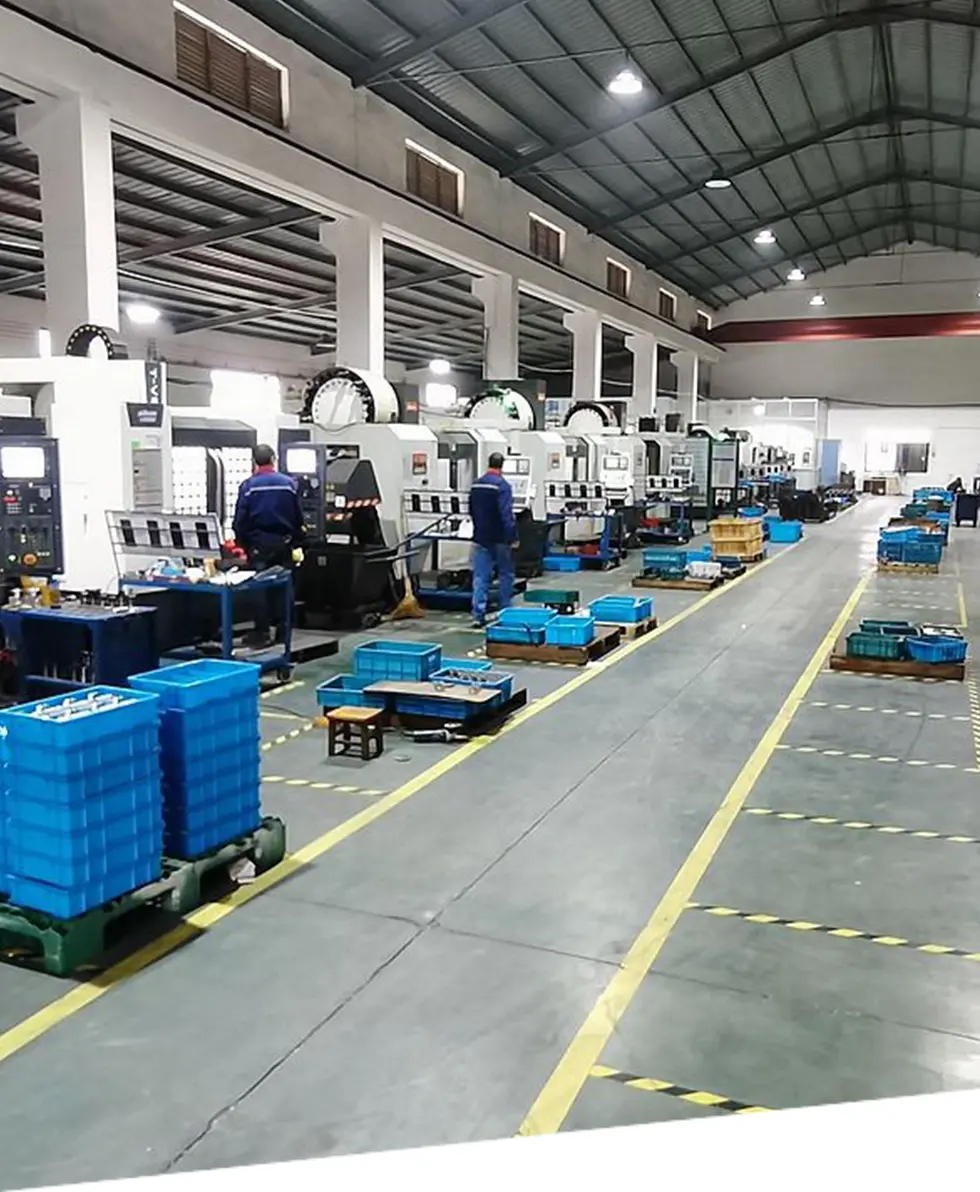
Equipped with 50 CNC machine tools (vertical, horizontal, 3-axis, 4-axis, and 5-axis), we specialize in materials including Aluminum, Stainless Steel, Copper, Nickel, Cobalt, Tungsten, and Titanium. Our optimal tolerance is controlled within ±0.0002 inches (±0.005 mm).
Beyond machining, we offer comprehensive post-processing: Anodizing, Sandblasting, Polishing, Vibration Finishing, and Pressure Testing. This is vital for Low Zinc parts to ensure maximum surface integrity.
Low zinc components are essential for surgical instruments and fluid delivery systems where biocompatibility and resistance to sterilization chemicals are non-negotiable.
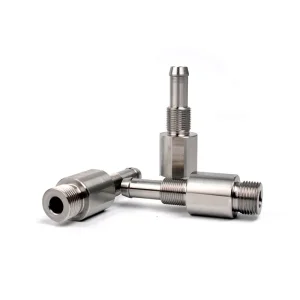
The "Dezincification" phenomenon in seawater is the enemy of maritime safety. Our ODM low-zinc parts provide the necessary durability for valves and fasteners.
In high-vibration aerospace environments, the ductility and fatigue resistance of low-zinc brass alloys are superior to standard high-zinc variants.
Why do global enterprises choose a Chinese factory like Hongrui for Low Zinc ODM projects? It comes down to Supply Chain Integration. Our location in Dongguan—the "World's Factory"—allows us to source raw materials, conduct 5-axis machining, and complete specialized surface treatments within a 50km radius. This efficiency translates to 30-50% faster lead times than Western counterparts without compromising the ±0.005mm precision threshold.
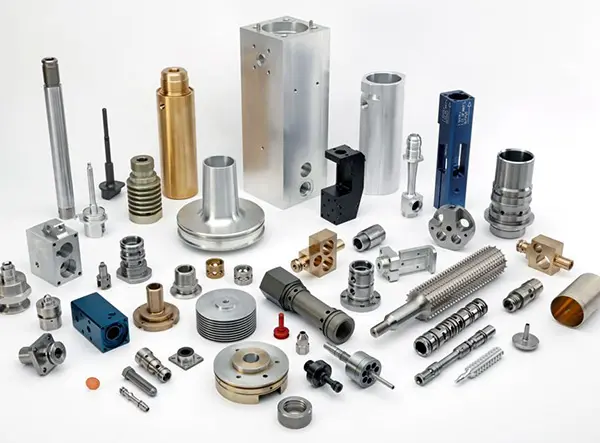
As a leading ODM Low Zincs Supplier & Factory, Hongrui continues to invest in AI-driven machining optimizations and sustainable material science. Our commitment to ISO-certified excellence and precision engineering ensures that your most challenging industrial requirements are met with authority and reliability. Partner with us to redefine the lifecycle of your precision components.
 Hongrui Model