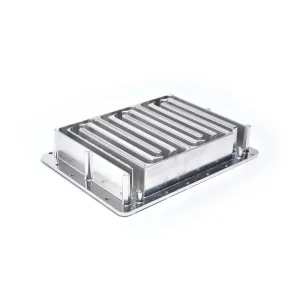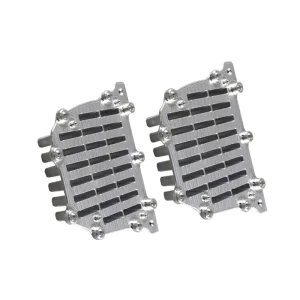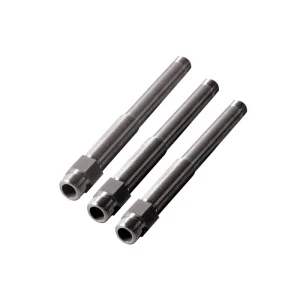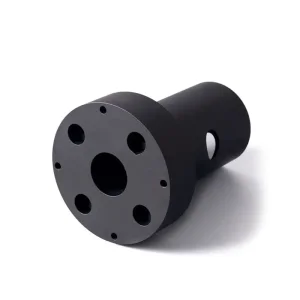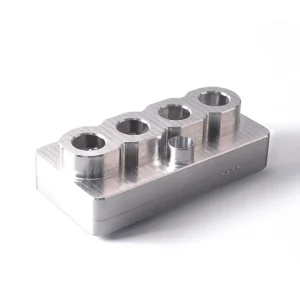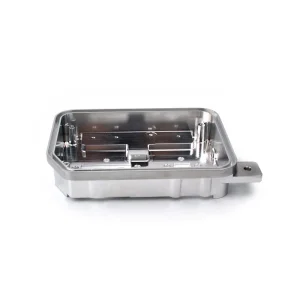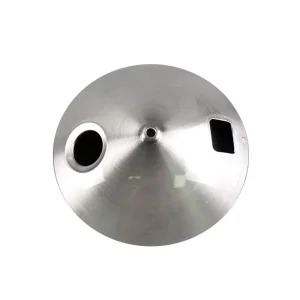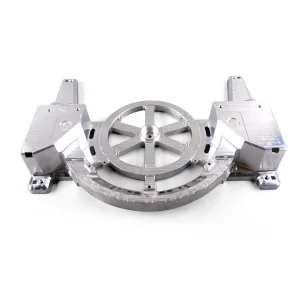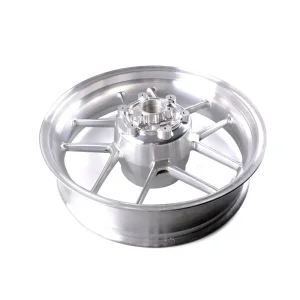
The global die-casting market, particularly the high-performance 1320 series, is undergoing a paradigm shift. Driven by the "Lightweighting" initiative in the automotive sector and the "Miniaturization" trend in consumer electronics, OEM 1320 diecast suppliers are now pivotal to the global supply chain. This industry is no longer just about metal forming; it is about metallurgical precision and structural integrity.
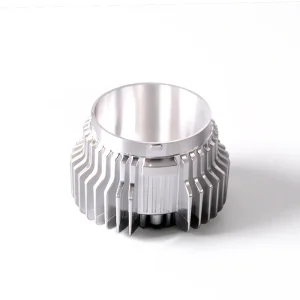
Advanced High-Pressure Die Casting (HPDC) integrated with Industry 4.0 sensors allows manufacturers to monitor thermal gradients and molten metal flow in real-time. This reduces porosity and ensures that every part meets the rigorous "1320 Standard" for durability and heat dissipation.
Modern suppliers are pivoting towards "Green Aluminum" and recycled magnesium alloys. By optimizing the sprue and runner designs through AI simulation, we achieve a material utilization rate of over 95%, significantly lowering the carbon footprint per component.
Hongrui is one of the top rapid prototyping companies in China, bridging the gap between design conceptualization and mass-scale OEM manufacturing.
Established in 2019 in Dongguan, the heart of global manufacturing, Dongguan Hongrui Model Technology Co., Ltd. has rapidly ascended as a leader in low-cost, high-precision OEM CNC machining and die-casting parts. With a registered capital of 5 million yuan and a dedicated workforce of over 100 specialists, we serve the most demanding industries: Automotive, Medical, Aerospace, and Smart Telecommunications.
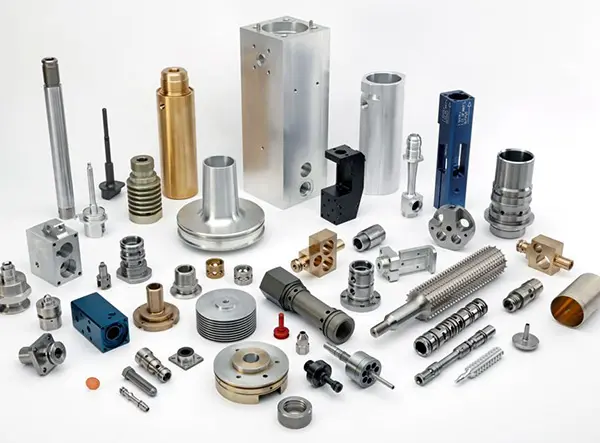
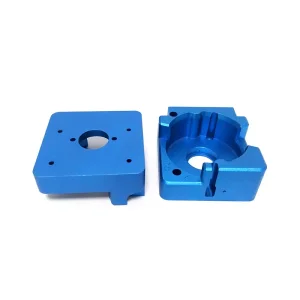
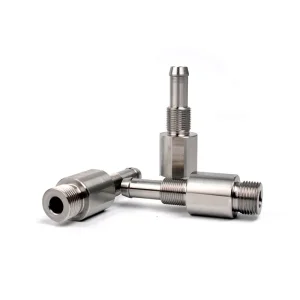
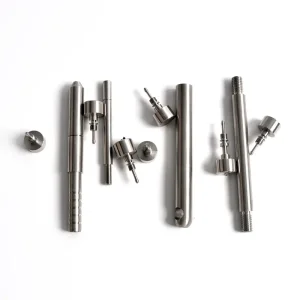
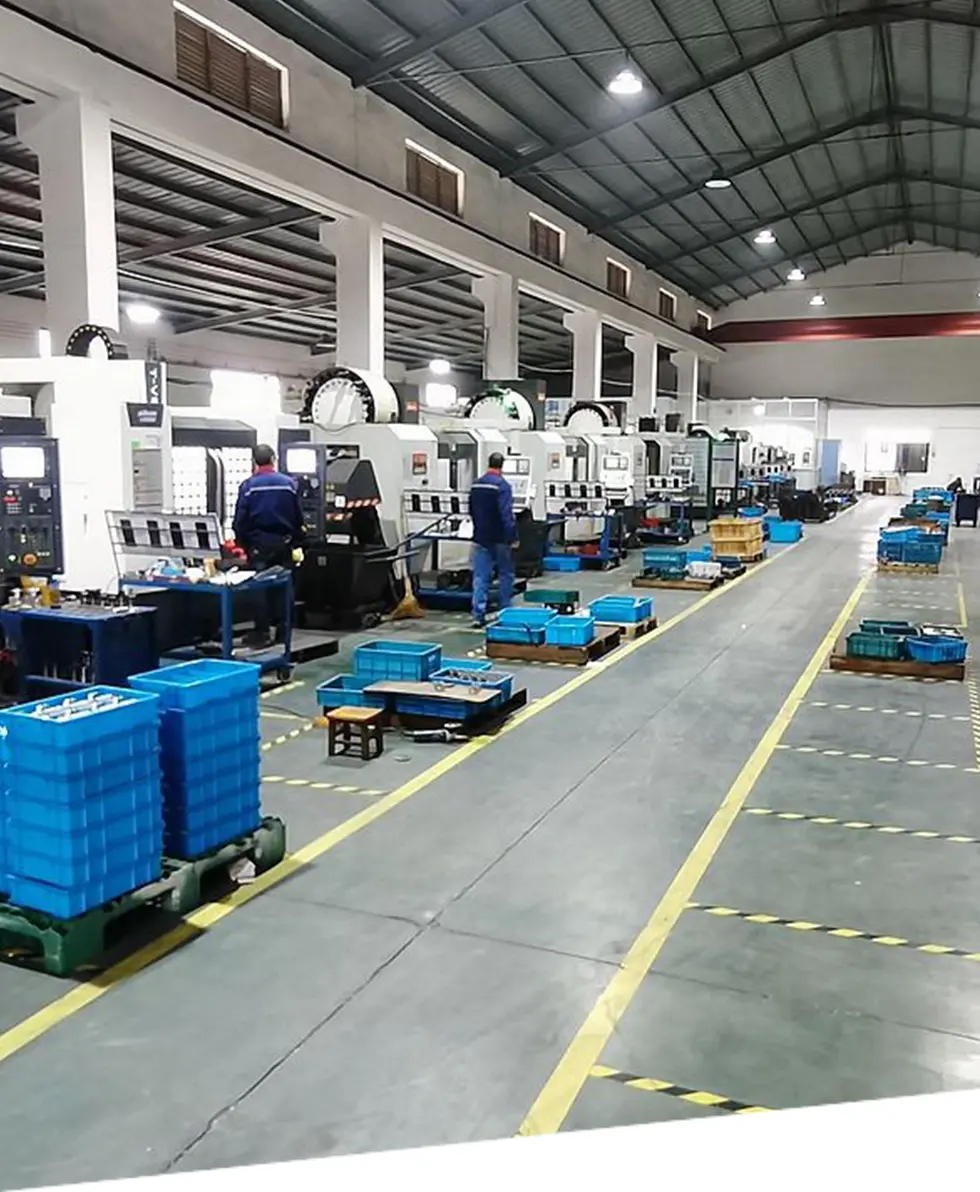
Our facility is equipped with vertical, horizontal, three-axis, four-axis, and five-axis CNC machine tools, enabling us to significantly shorten delivery lead times for complex 1320 Diecast parts. Our technical capabilities cover a wide spectrum of materials including Aluminum, Stainless Steel, Copper, Nickel, and Titanium.
Unlike traditional suppliers, we combine die-casting with secondary CNC precision finishing. This allows for the internal structural benefits of casting with the external tolerance precision of machining (±0.0002 inches).
We offer over 15 types of surface treatments: Anodizing, Sandblasting, Vibration Finishing, Pressure Testing, and custom coating to ensure environmental resistance in harsh conditions.
Production of high-strength structural nodes, battery housings, and motor end-plates that require superior thermal management and impact resistance. Our 1320 series components are optimized for weight reduction without compromising safety.
Manufacturing of non-invasive surgical tool housings and diagnostic equipment frames. We ensure biocompatibility and sterility through advanced anodizing and micro-precision polishing.
Specialized low-mass, high-strength alloy components for UAVs and satellite communication modules. We provide full traceability and material certification for every batch produced.
The future of OEM 1320 Diecast manufacturing lies in the integration of Digital Twin Technology and Generative Design. By simulating thousands of casting iterations in a virtual environment before cutting steel for the mold, we reduce waste by 30% and improve structural efficiency.
The 1320 designation typically refers to a specific grade of performance or a series of components requiring high-integrity structural properties, tight tolerances, and superior surface finishes often used in high-stress industrial applications.
We implement a multi-stage quality gate system: Raw material spectral analysis, real-time casting process monitoring, CMM (Coordinate Measuring Machine) dimensional checks, and SGS-certified final audits.
Yes. As a rapid prototyping specialist, we are uniquely structured to handle everything from single-unit prototypes to mid-sized production runs (low-cost OEM CNC machining), offering flexibility that traditional mass-production factories cannot match.
Prototyping can be completed in as little as 3-7 days, while full production tooling typically takes 3-5 weeks depending on complexity. Our 50+ CNC machines ensure post-processing is never a bottleneck.
Aluminum alloys (ADC12, A380) and Zinc alloys (Zamak series) are most common. However, we also work with Magnesium for extreme weight-saving requirements.
 Hongrui Model