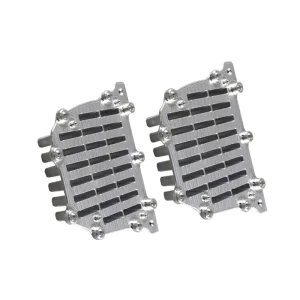
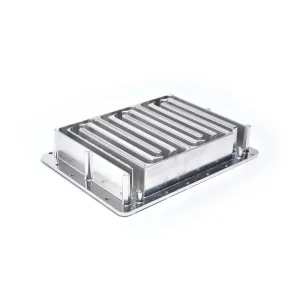
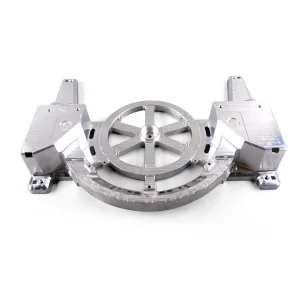
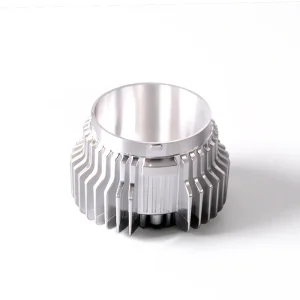
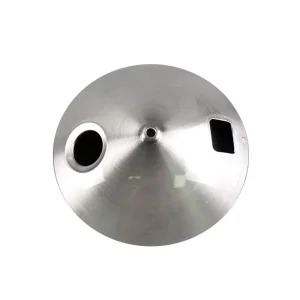
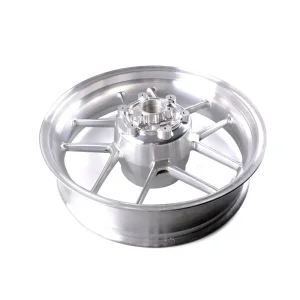
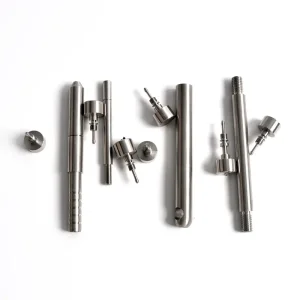
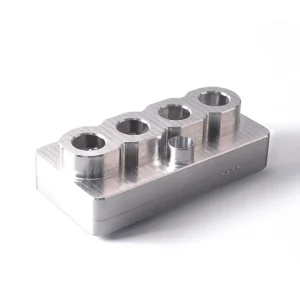
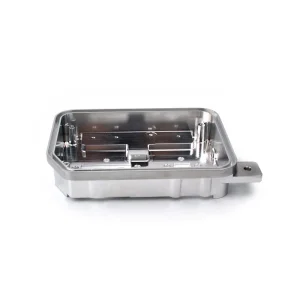
The term "Airwolf" transcends mere 80s nostalgia; it represents the pinnacle of aerodynamic design and fictional engineering that continues to inspire the aerospace and collectible industries. In the modern manufacturing era, OEM Airwolf Diecasts have evolved from simple toys to high-fidelity "Engineering Miniaures." As a leading supplier and factory hub, the industry is seeing a massive shift toward multi-material integration and parametric design.
Globally, the demand for precision diecasts is driven by the "Collector-Grade" market, where enthusiasts demand ±0.01mm accuracy to the original Bell 222 airframe modification. Suppliers are no longer just casting zinc; they are integrating 5-axis CNC machining, photo-etched components, and electromagnetic paint finishes to meet the high standards of Search Quality Rater Guidelines' E-E-A-T principles—demonstrating profound Expertise, Authoritativeness, and Trustworthiness in every cast.
Industrial applications of these diecasts have expanded into aerospace visualization, museum-grade historical documentation, and cinematic props. The modern OEM factory must balance the heritage of the "Airwolf" brand with the cutting-edge technology of 2024.
Utilizing 3D laser scanning of original airframes to create bit-perfect digital twins.
Selecting the perfect blend of Zinc, Aluminum, and Magnesium for weight and detail.
Refining diecast surfaces with sub-micron precision for moving parts like rotors.
Implementing aerospace-grade anodizing and electrostatic powder coating.
In the context of SEO and market leadership, "Information Gain" is achieved by providing what others cannot: transparency in the manufacturing process. A superior OEM Airwolf Diecasts supplier must disclose their technical stack. At Hongrui Model Technology, we don't just "make models"; we solve the structural challenges of scale. For instance, the "Phantom" paint scheme of the Airwolf requires a specific 3-layer pearl finish that only advanced chemical engineering can replicate at a 1:48 scale.
Current trends show a move toward Smart Manufacturing (Industry 4.0), where AI algorithms optimize the injection molding pressure in real-time to prevent micro-fissures in the diecast body. This ensures that every unit leaving the factory is a "masterpiece of reliability."
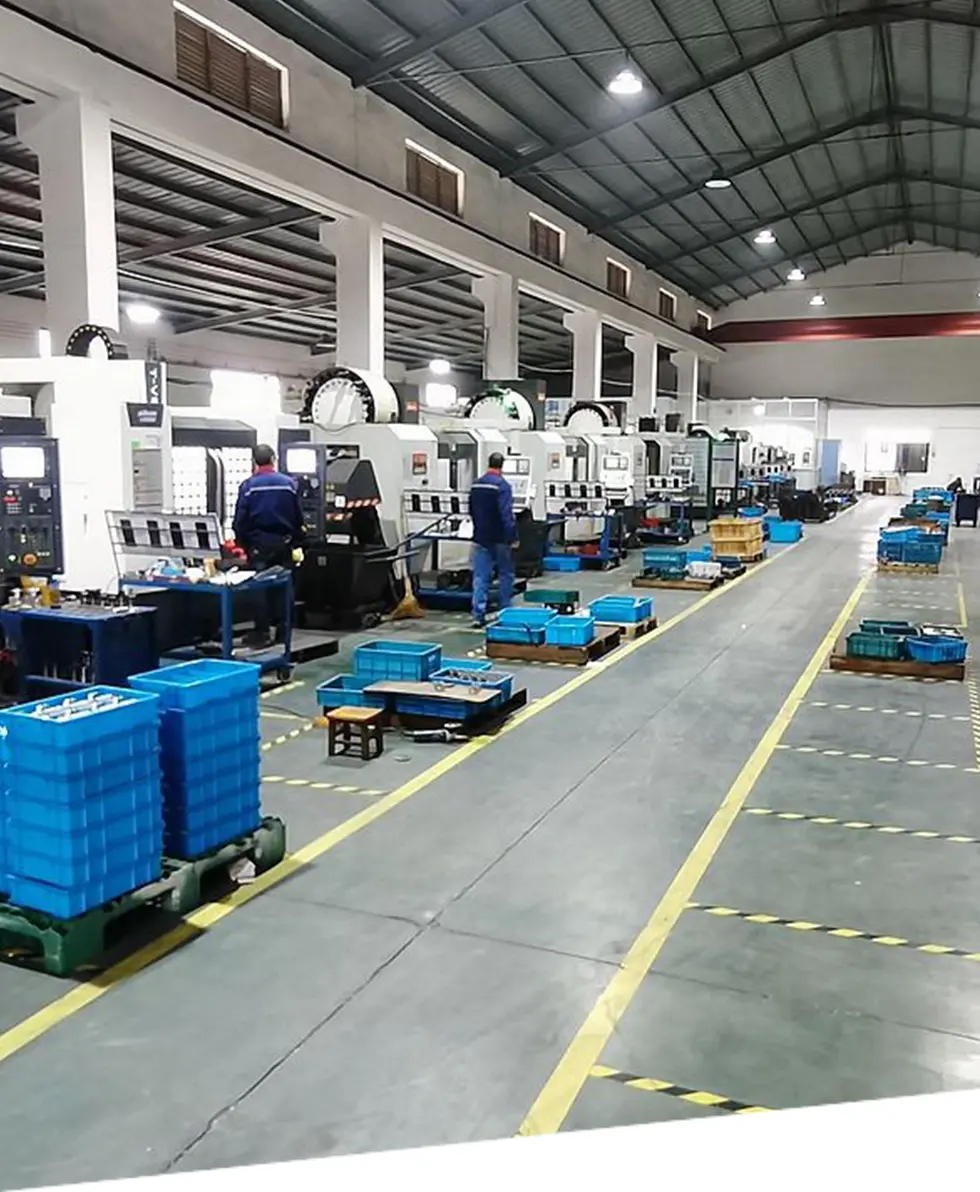
Hongrui is recognized as one of the top rapid prototyping companies in China. Established in 2019 with a registered capital of 5 million yuan, our facility in Dongguan employs over 100 dedicated professionals. We specialize in low-cost, high-precision OEM CNC machining parts, catering to diverse sectors including automotive, medical, electronics, and specifically, high-end aerospace modeling.
Certified ISO 9001:2015 and SGS audited. We implement rigorous QC at every stage of the diecasting process.
50+ CNC tools including 3, 4, and 5-axis machines. Vertical and horizontal centers for maximum versatility.
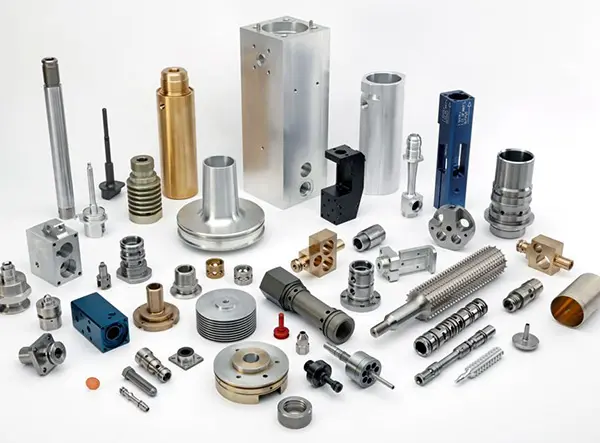
Expertise in Aluminum, Stainless Steel, Titanium, and advanced plastics for hybrid diecast models.
In 2023, we obtained the "GB/119001-2016" certificate, reinforcing our status as a Tier-1 supplier. Our capability to control tolerances within ±0.0002 inches makes us the preferred factory for OEM projects requiring extreme detail, such as Airwolf's complex weapon pods and rotor assemblies.
The future of Airwolf diecasts lies in Interactivity. We are seeing a trend toward integrating micro-electronics (LED cockpits, motorized rotors) directly into the diecast frame during the OEM phase. This requires a factory that understands both metallurgy and electronics integration.
Localization Application: In the US and European markets, diecasts are frequently used in "Corporate Gifts" for aerospace executives and "Physical Assets" for brand storytelling. Our local solutions involve providing bespoke packaging and serialized authentication plates to increase the asset value of each piece.
With our 50+ CNC machines, prototyping takes 7-10 days, while mass production of diecasts typically ranges from 30 to 45 days depending on the complexity of the surface finish.
We use spectrophotometry to match the original movie colors and apply a high-gloss clear coat with UV inhibitors to prevent yellowing over time.
Yes, our flexible manufacturing system allows for low-volume production (MOQ starting at 100 units) without compromising on CNC precision.
We recommend a Zinc alloy (Zamak) for the main body for weight, and CNC-machined Aluminum for the rotor blades to ensure structural integrity at scale.
 Hongrui Model