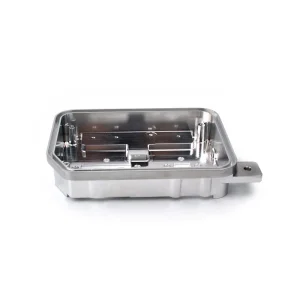
A Technical Overview of Surface Modification, Biocompatibility, and Performance Enhancement.
Titanium anodizing is an electrochemical process that alters the surface chemistry and microstructure of titanium components. Unlike traditional plating or painting, which adds a layer of material to the surface, anodizing grows an oxide layer directly from the base titanium substrate. This process is highly controllable, allowing for precise adjustments in oxide thickness, which in turn dictates the physical, chemical, and optical properties of the finished component.
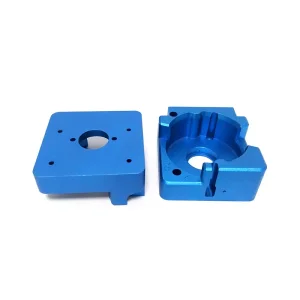
By manipulating the voltage, current density, and electrolyte composition, manufacturers can achieve two distinct types of anodization: Type I (Color Anodizing) and Type II (Wear-Resistant Anodizing). Type I utilizes light interference through varying oxide thicknesses to create a spectrum of vibrant colors without the use of dyes, making it ideal for medical device identification and consumer electronics. Type II anodizing, governed by standards such as AMS 2488, produces a thicker, grey oxide layer that significantly reduces friction, prevents galling, and enhances wear resistance in high-stress mechanical assemblies.
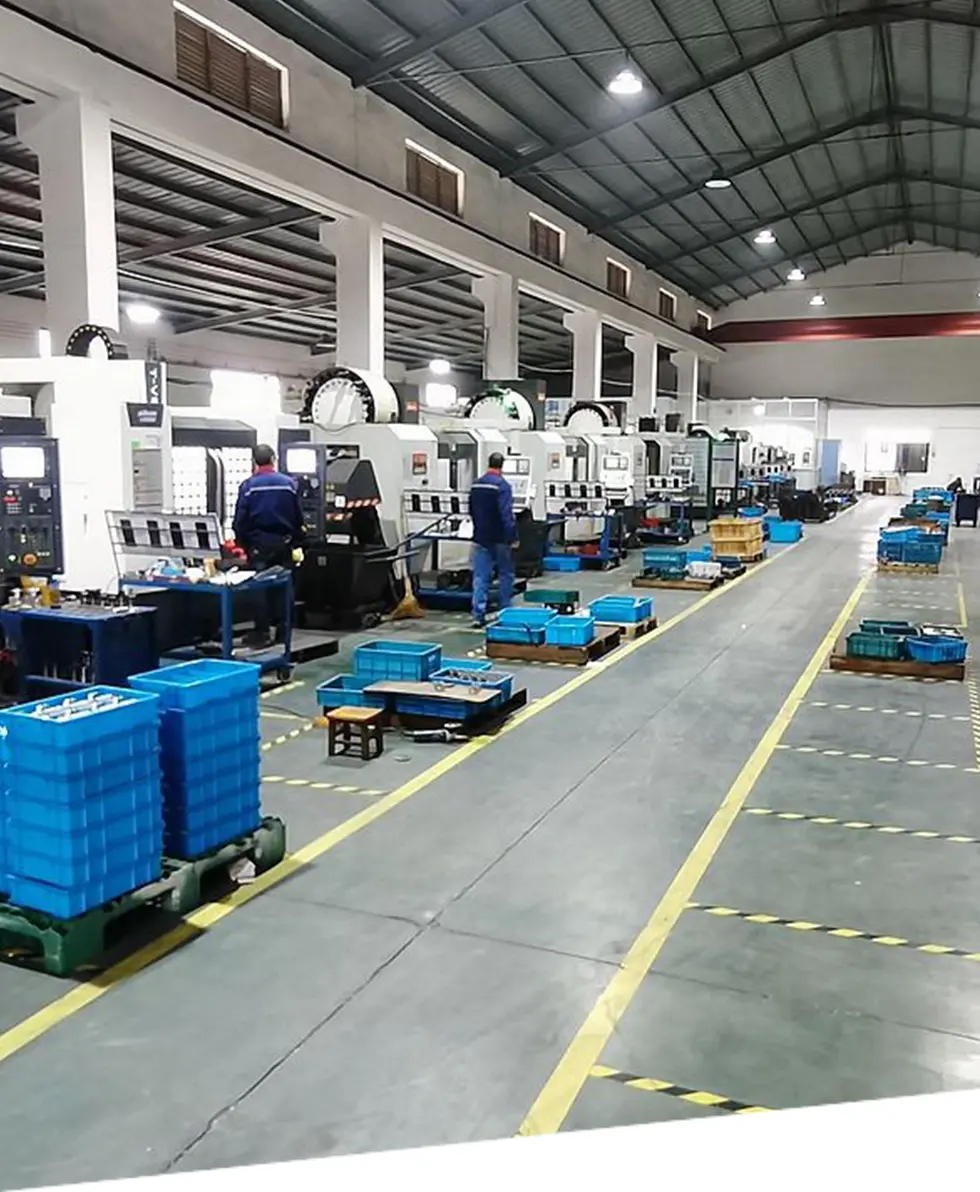
A Leading Force in Low-Cost OEM CNC Machining & Precision Prototyping in China.
Established in 2019 with a registered capital of 5 million yuan, Dongguan Hongrui Model Technology Co., Ltd. has rapidly grown to employ over 100 highly skilled professionals. We stand as one of the premier rapid prototyping and precision manufacturing companies in China, specializing in high-accuracy, low-cost OEM CNC machining parts. Our engineering expertise and advanced manufacturing processes serve critical global industries including automotive, medical, electronics, aerospace, industrial machinery, telecommunications, toys, and smart devices.
Our commitment to quality is backed by rigorous international certifications. In 2020, we successfully passed the quality system audit by SGS. By 2023, we obtained the prestigious "GB/T19001-2016 / ISO 9001:2015" certification and passed the SGS environmental system audit. By strictly implementing ISO standards, we guarantee meticulous management details, ensuring exceptional product quality, environmental compliance, and unparalleled customer satisfaction.
Advanced Machinery and Multi-Material Expertise for High-Tolerance OEM Components.
Hongrui operates a robust fleet of 50 CNC machine tools, including vertical, horizontal, 3-axis, 4-axis, and 5-axis CNC machining centers. This advanced setup allows us to handle complex geometries, minimize setups, and significantly shorten production delivery times.
Our engineering processes achieve an optimal tolerance control within ±0.0002 inches (±0.005 mm). This level of precision is critical for high-performance OEM parts in aerospace assemblies, medical implants, and micro-electronics.
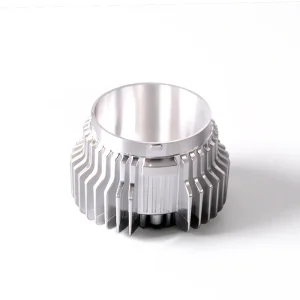
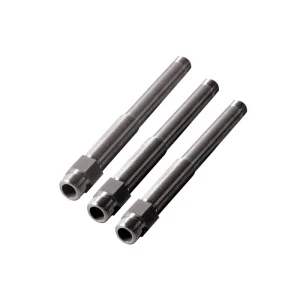
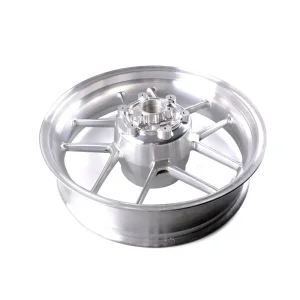
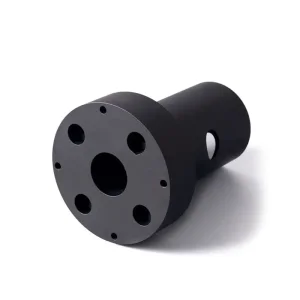
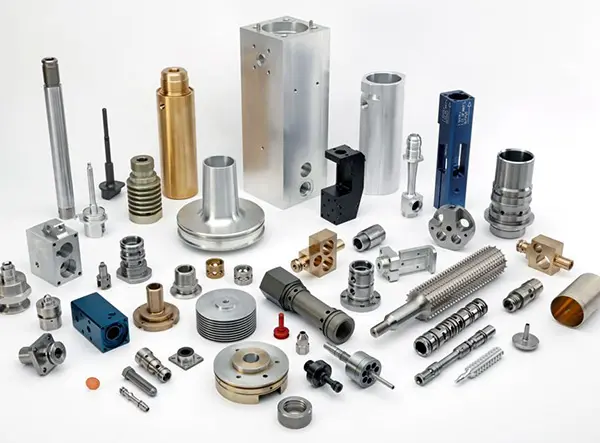
We machine a wide range of materials including titanium, aluminum, stainless steel, copper, nickel, cobalt, tungsten, and high-performance engineering plastics, ensuring the perfect material match for your application requirements.
Addressing the Critical Requirements of Aerospace, Medical, and Defense Supply Chains.
Global procurement managers face complex challenges when sourcing anodized titanium components. The combination of strict regulatory frameworks, mechanical performance requirements, and aesthetic consistency demands a supplier with deep technical expertise and robust quality management systems. At Hongrui, we align our manufacturing with the key expectations of international buyers:
We manufacture and anodize titanium in strict compliance with global engineering standards, including AMS 2488 (for Type II wear-resistant coatings) and ASTM F86 (for surface preparation and marking of surgical implants). This ensures that every part delivered meets the mechanical and chemical safety requirements of high-risk environments.
We provide full material traceability, including raw material mill certificates, SGS inspection reports, ISO compliance documentation, and surface treatment thickness verification. Our transparent quality control processes ensure that every batch is fully auditable.
Unmatched Efficiency, Scalability, and Cost-Effectiveness in Dongguan's Manufacturing Hub.
Sourcing OEM anodized titanium from Dongguan, China, offers significant strategic advantages for global enterprises. As a global manufacturing epicenter, Dongguan provides an unparalleled ecosystem of raw materials, specialized surface treatment facilities, and highly skilled engineering talent. Hongrui leverages this localized ecosystem to deliver superior value to our international clients:
Our optimized production workflows and localized supply chain allow us to offer highly competitive pricing for both low-volume prototyping and high-volume mass production, without compromising on dimensional accuracy or surface finish quality.
With 50 CNC machines operating in-house and a highly responsive local network of material suppliers, we can compress lead times from weeks to days, enabling our clients to accelerate their product development cycles.
From initial design consultation and rapid prototyping to multi-axis CNC machining, anodizing, laser marking, and final assembly, we manage the entire production lifecycle under one roof, reducing logistical complexity and risk.
Ensuring Seamless Communication, Environmental Responsibility, and Secure Delivery.
Operating as a global supplier requires more than just manufacturing capability; it demands a deep understanding of international trade, environmental regulations, and localized customer support. Hongrui is committed to providing a seamless procurement experience for clients across North America, Europe, and Asia-Pacific.
We ensure strict compliance with global environmental directives, including RoHS (Restriction of Hazardous Substances) and REACH (Registration, Evaluation, Authorisation and Restriction of Chemicals). Our anodizing processes utilize eco-friendly electrolytes, and our facility has passed rigorous SGS environmental audits, reflecting our commitment to sustainable manufacturing practices.
To support our global clientele, we offer localized engineering communication, ensuring that technical drawings (GD&T) are interpreted with absolute precision. Our logistics department handles all aspects of international shipping, offering flexible terms (FOB, CIF, DDP) and secure packaging to ensure your precision parts arrive in perfect condition, ready for assembly.
How Modern Industries Leverage Anodized Titanium for Next-Generation Products.
The demand for anodized titanium is expanding rapidly, driven by technological advancements in aerospace, medical engineering, and high-end consumer products. As industries push the limits of material performance, titanium's unique properties—combined with advanced anodization—make it the material of choice for critical applications:
In orthopedic and dental applications, Type I color anodizing is used for size and model identification of bone screws and plates. Type II anodizing enhances biocompatibility and osteointegration, ensuring long-term implant success within the human body.
Aerospace fasteners, hydraulic components, and structural brackets utilize Type II anodizing (AMS 2488) to prevent galling under extreme mechanical loads and to provide exceptional corrosion resistance in harsh atmospheric conditions.
Premium smartphones, wearable devices, and luxury goods leverage the brilliant, durable, and biocompatible color finishes of titanium anodizing, delivering a premium tactile feel and superior scratch resistance.
Expert Answers to Common Technical and Procurement Queries Regarding Anodized Titanium.
 Hongrui Model