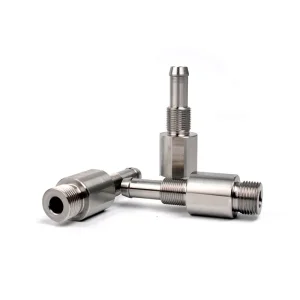
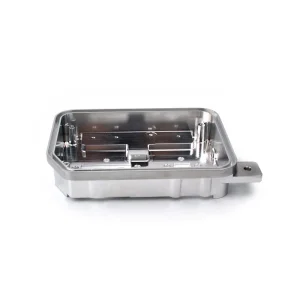
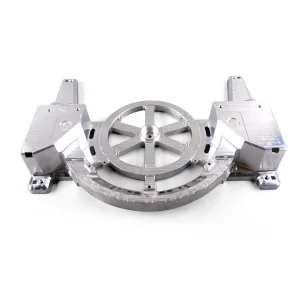
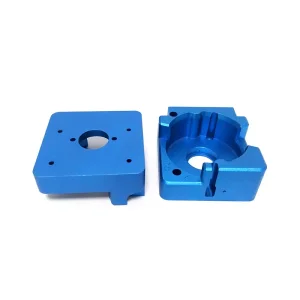
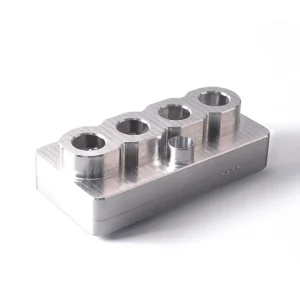
In the modern industrial manufacturing ecosystem, the demand for Coarse Knurls has transcended simple aesthetics. As a critical mechanical interface, coarse knurling provides the essential grip required for high-torque manual operations and robust mechanical press-fits. From medical surgical tools where grip is a matter of life and death, to automotive control knobs requiring tactile precision, the "Coarse Knurl" is a fundamental engineering requirement.
Today, the global market for knurled components is shifting toward ultra-precision and material versatility. OEM suppliers are now required to handle exotic alloys like Titanium and Inconel while maintaining the aggressive pitch profiles characteristic of "Coarse" patterns (typically ranging from 1.0mm to 2.0mm pitch).
Coarse knurling is often defined by DIN 82 standards (RAA, RBL, RBR, RGE patterns). Unlike fine knurls used in jewelry, coarse knurls are designed for maximum displacement of material or deep penetration to ensure anti-slip performance in oily or pressurized environments.
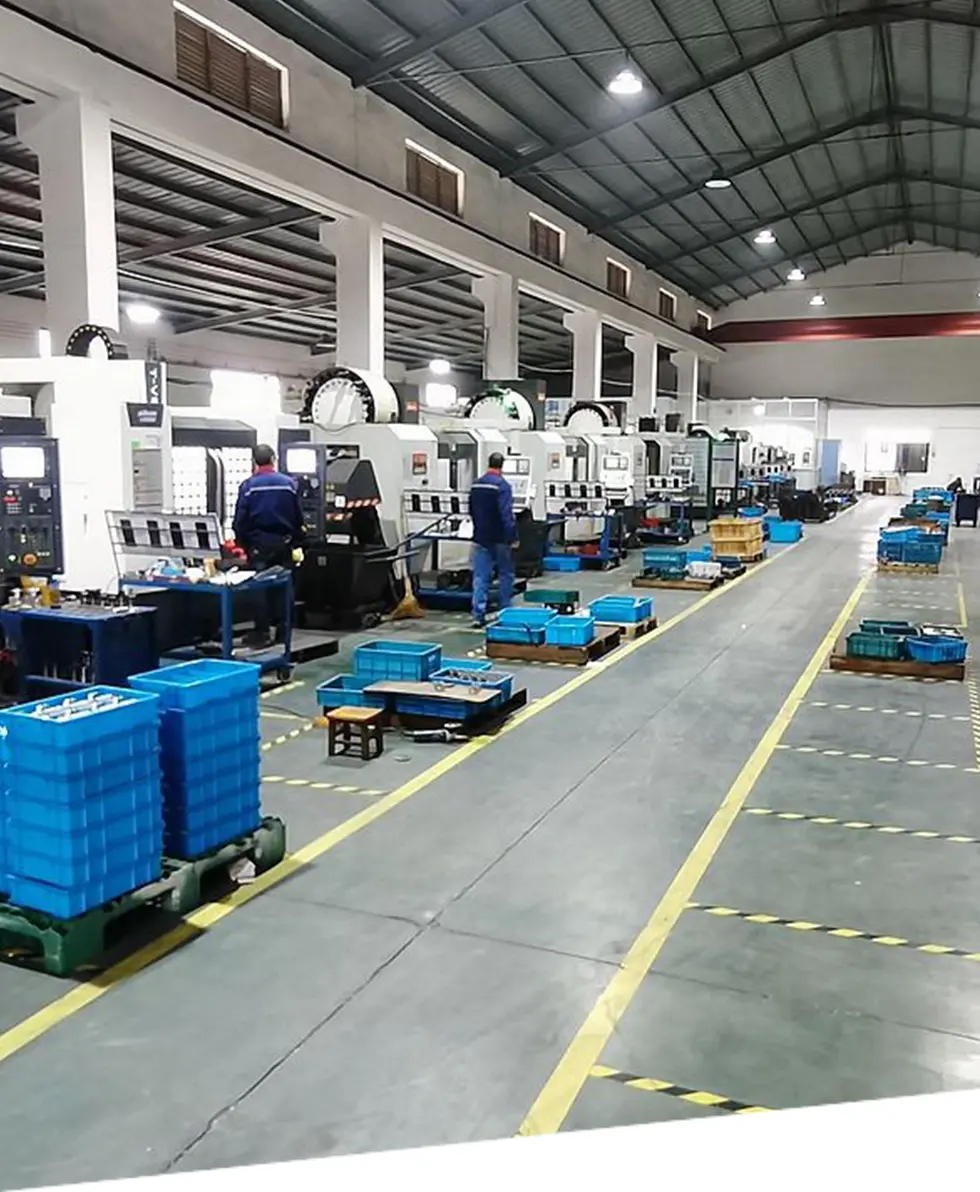
Dongguan Hongrui Model Technology Co., Ltd., established in 2019, stands as a pillar of precision in China's rapid prototyping sector. With a registered capital of 5 million yuan and a dedicated workforce of over 100 experts, we have specialized in low-cost OEM CNC machining without compromising on aerospace-grade quality.
Our commitment to E-E-A-T principles is backed by rigorous certification. In 2020, we cleared the SGS audit, and by 2023, we secured the GB/119001-2016 ISO 9001:2015 certificate. This ensures that every coarse knurled part leaving our facility meets international safety and durability standards.
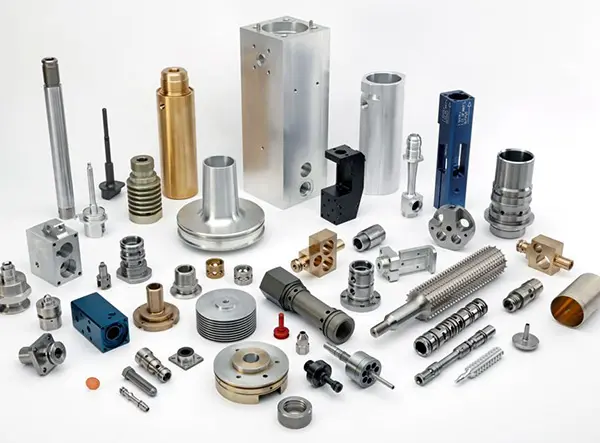
Our facility houses an extensive array of vertical, horizontal, three-axis, four-axis, and five-axis CNC machine tools. This allows us to perform "Cut Knurling" — a superior method for coarse patterns that maintains the structural integrity of the workpiece better than traditional "Form Knurling."
Coarse knurls are no longer just for hands. In EV (Electric Vehicle) manufacturing, they are used for high-friction press-fit inserts into plastic housings, requiring absolute geometric consistency to prevent stress fractures.
Utilizing 5-axis CNC machines for knurling reduces secondary setup requirements, significantly lowering the carbon footprint and material waste per part—a key requirement for European and North American procurement teams.
Before the first cut, our engineers simulate the knurling process to predict material displacement. This ensures that the outer diameter (OD) remains within the ±0.0002 inch tolerance after the knurling tool expands the metal.
 Hongrui Model