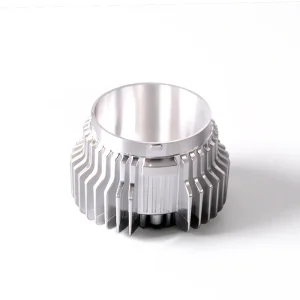
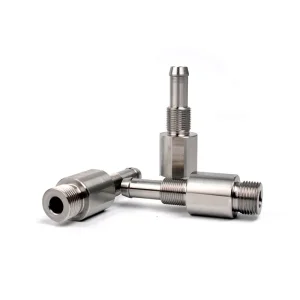
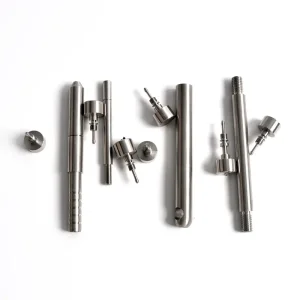
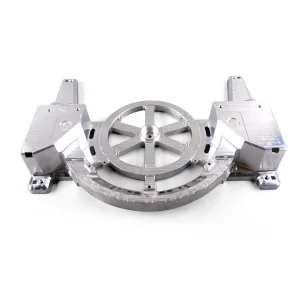
Explore our foundational rapid prototyping and industrial CNC machinery lines powering global OEMs.
How Heavy Machinery Giants Leverage Premium Diecast Models for Marketing, Training, and Brand Equity.
In the ultra-competitive landscape of heavy industrial machinery, material handling, and material flow solutions, branding is no longer confined to trade show displays or catalog spec sheets. Premium industrial-grade diecast forklift models have transitioned from collectible miniatures to crucial instruments of B2B marketing, mechanical simulation, and VIP client presentations.
Leading global heavy equipment OEMs (Original Equipment Manufacturers) understand that a meticulously detailed 1:20, 1:24, or 1:50 scale model represents more than mere aesthetic value. It embodies the precision, mechanics, and design philosophy of the actual multi-million dollar machinery. Whether showcasing a modern 3-stage mast, simulated hydraulics, precise overhead guards, or steerable rear axles, a high-quality diecast model demands high-precision execution—a task achievable only by leveraging advanced tooling, multi-axis CNC engineering, and meticulous diecast mold development.
This whitepaper dissects the technical standards, supply chain considerations, and material science required by elite procurement officers looking to partner with elite OEM Diecast Forklift Manufacturers and Factories.
Key parameters scrutinized by global supply chain directors when selecting a precision diecast manufacturing partner.
Global procurement teams demand high-grade Zinc Alloys (Zamak 3 or Zamak 5) and Aluminum Alloys (ADC12, A380) to ensure high structural strength, smooth surface finish, and resistance to environmental fatigue.
Micro-details such as hydraulic pistons, control levers, dynamic forks, and tiny bolts must be precisely rendered. We leverage advanced EDM and 5-axis CNC systems to secure tooling tolerances within ±0.005 mm.
From electroplating to non-toxic powder coating and electrostatic painting. All finishes must strictly align with international toy safety and industrial decorative directives including RoHS, REACH, and EN71.
| Specification Parameter | Standard Requirement | Advanced OEM Class (Hongrui Standard) | Verification Method |
|---|---|---|---|
| Primary Alloy Base | Standard Zinc Alloy (Zamak 3) | Premium High-Purity Zamak 5 & ADC12 Aluminum | Spectrochemical Analysis |
| Dimensional Tolerance | ±0.05 mm | Up to ±0.005 mm (±0.0002 inches) | CMM (Coordinate Measuring Machine) |
| Surface Coating | Basic Spray Painting | Advanced Electrostatic Powder Coating & High-Precision Anodizing | Cross-Hatch Adhesion Test (ASTM D3359) |
| Functional Mechanics | Static Display Only | Multi-Stage Functional Telescopic Mast, Real-Link Steering, Rubber Tires | 10,000-Cycle Actuation Verification |
The production of industrial-grade diecast forklift replicas requires a seamless convergence of highly specialized supply chains. Unlike standard consumer goods, manufacturing premium diecast models relies on rapid tooling, precise mold engineering, multi-axis machining, polymer injection molding, advanced metal decoration, and manual micro-assembly.
By situating production hubs in world-class manufacturing zones like Dongguan, OEMs tap into an unparalleled Factory 4.0 ecosystem. From raw Zamak ingot suppliers to state-of-the-art surface treatment houses, the entire logistics network operates within a tight radius, facilitating rapid iterations, immediate quality control, and minimal transportation overheads.
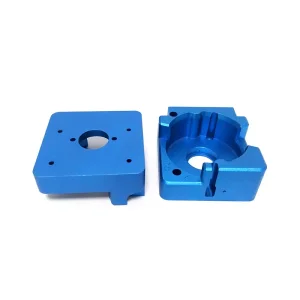
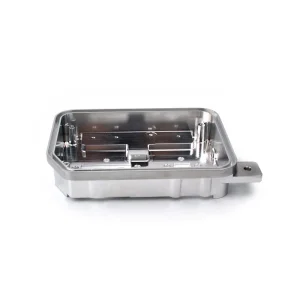
Dongguan Hongrui Model Technology Co., Ltd. plays a vital role in this ecosystem. By integrating top-tier CNC machining centers with robust rapid prototyping systems, we drastically shorten the gap between the initial CAD concepts and the physical diecast mold assembly.
A Top Rapid Prototyping & Precision CNC Machining Powerhouse in China.
Established in 2019 with a registered capital of 5 million yuan and currently employing over 100 dedicated technical professionals, Dongguan Hongrui Model Technology Co., Ltd. has established itself as one of the best rapid prototyping and precision manufacturing companies in China. We specialize in high-efficiency, cost-effective OEM CNC machining parts manufacturing, catering directly to elite industries worldwide.
Our comprehensive expertise and manufacturing products are utilized heavily across demanding global sectors including:
At Hongrui, quality assurance is an active operational philosophy rather than a passive target. We have invested significant capital in our production environment and metrology tools.
In 2020, we successfully passed the intensive quality system audit by the world-renowned SGS company. Solidifying our engineering excellence, in 2023 we officially obtained the prestigious "GB/T19001-2016 / ISO 9001:2015" certification. In the exact same year, our environmental protocols passed the rigorous environmental audit of SGS, confirming our dedication to green manufacturing practices.
Every CNC setup and machining operation is strictly regulated under the ISO framework, guaranteeing that we maintain impeccable product quality, high geometric fidelity, and optimal client satisfaction.
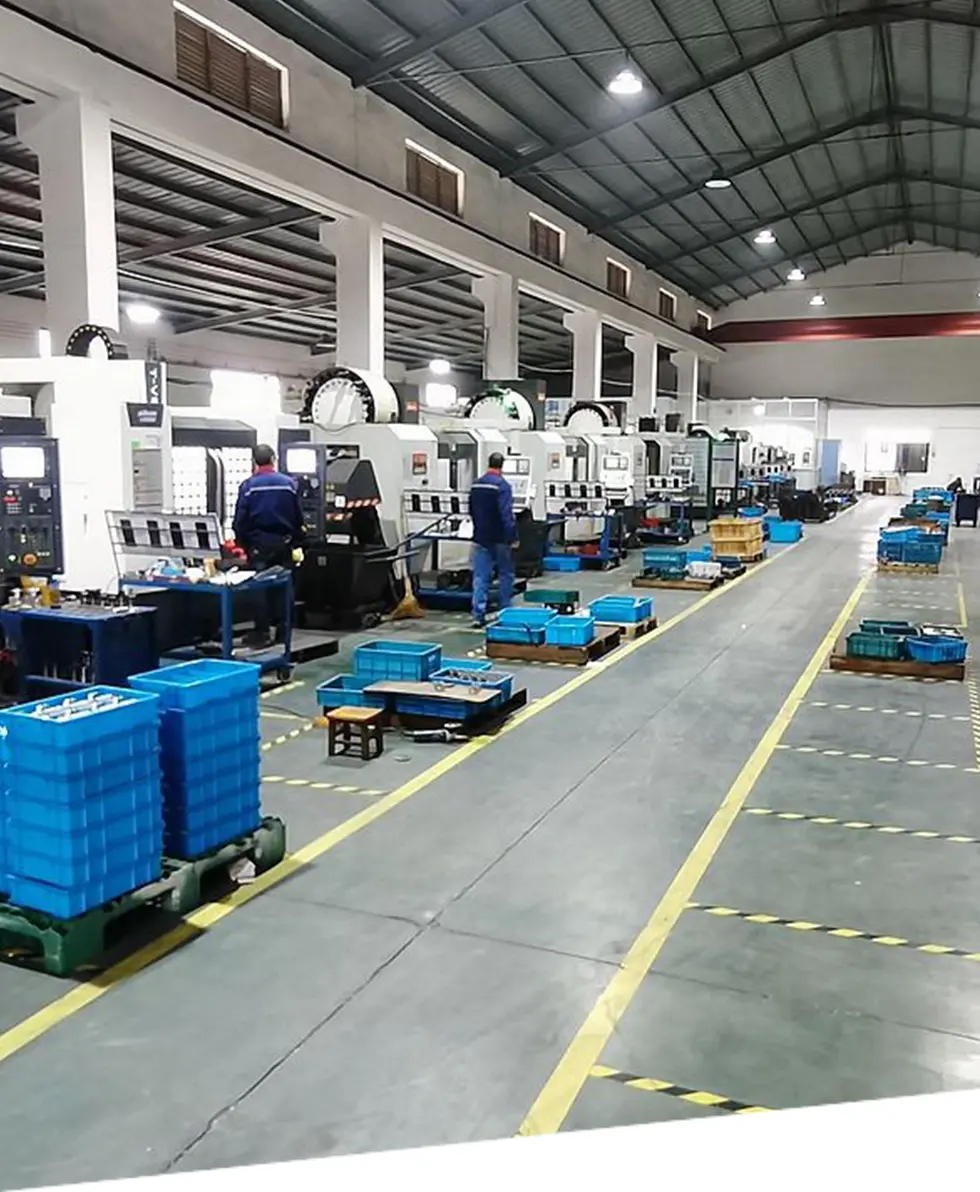
Our facility is equipped with a robust lineup of 50 high-precision CNC machine tools, featuring vertical, horizontal, three-axis, four-axis, and advanced five-axis CNC machining centers. This diverse fleet allows us to substantially compress delivery lead times and handle high-difficulty geometries.
Our manufacturing capacity highlights:
From simple cast molds to smart miniature replicas: how technology shapes modern industrial modeling.
Modern warehouse logistics rely on Automated Guided Vehicles (AGVs) and Autonomous Mobile Robots (AMRs). Global OEMs now order precise scale models showcasing Lidar sensors, laser navigation towers, and dynamic charging pads to present complete smart system integrations to high-value buyers.
With global industrial operations moving toward zero-emission goals, diecast models are modified to represent advanced Li-ion battery compartments. This requires precise multi-part assemblies with removable battery packs, detailed warning decals, and distinct structural geometry.
Standard scale models often fail at the delicate mast hinges. Modern engineering incorporates high-strength CNC machined aluminum linkages, stainless-steel hydraulic shafts, and micro-machined guide rails to ensure thousands of extensions without mechanical degradation.
Historically, the diecast industry relied purely on master-pattern hand carving and EDM replication. Today, our Factory 4.0 workflow integrates direct CNC machining of high-grade tool steel (such as H13 hot-work steel) for high-pressure die casting (HPDC) molds. This ensures that:
From international showrooms to high-level boardrooms: understanding the true commercial value of high-precision replicas.
Where do these precision-engineered mini-machines show their real value? Understanding these localized applications helps developers design and build targeted models:
Transporting massive, multi-ton reach stackers, heavy diesel forklifts, or VNA (Very Narrow Aisle) trucks to overseas exhibitions like CeMAT, ProMat, or LogiMAT incurs massive logistical costs. High-precision diecast models serve as accurate scale representations on interactive display tables, enabling sales representatives to demonstrate multi-stage mast extensions, side-shift operations, and turning radius properties without occupying heavy floor space.
In industrial training centers, instructors use 1:20 scale diecast forklifts with steerable wheels and functional masts to visually demonstrate safety hazards, center-of-gravity shifts, tipping hazards, and proper pallet engagement techniques. The structural strength of Zamak zinc and CNC-machined steel components ensures these models survive years of hands-on physical classroom demonstrations.
When closing high-volume leasing contracts or smart warehouse system installations, global materials-handling corporations present customized, engraved diecast models of their fleets to corporate buyers. These serve as premium office displays, continuously reinforcing brand value and engineering pride at the highest executive levels.
Expert answers addressing the most common questions raised by procurement managers and industrial product designers.
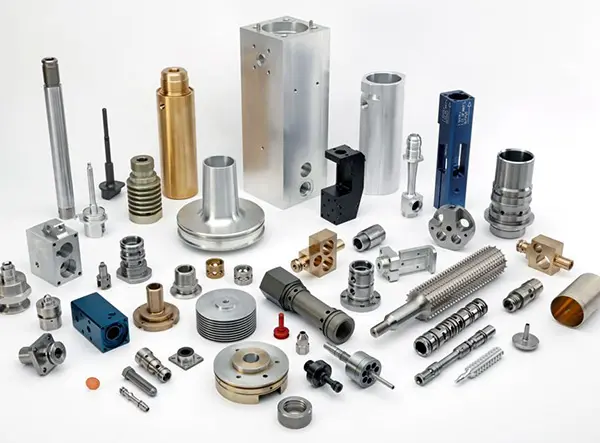
Supporting components, high-precision five-axis machining, and specialized finishing technologies.
 Hongrui Model