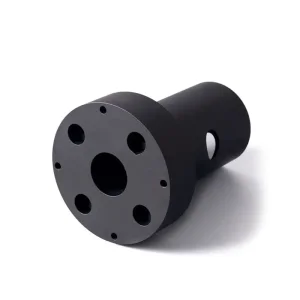
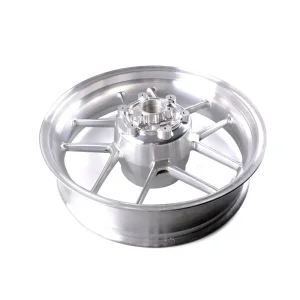
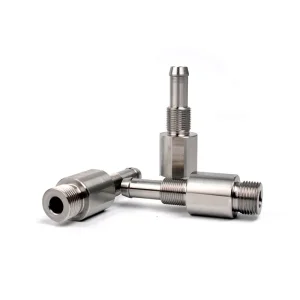
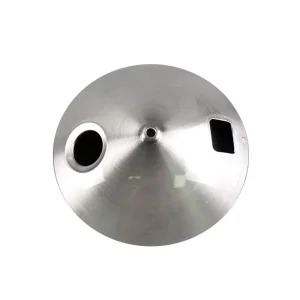
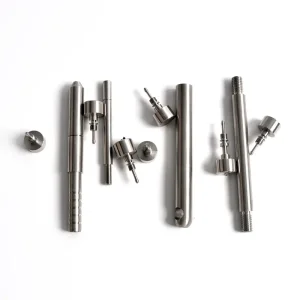
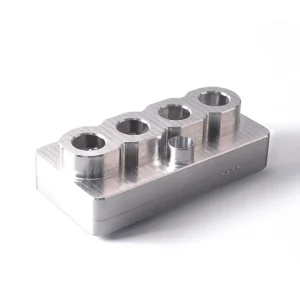
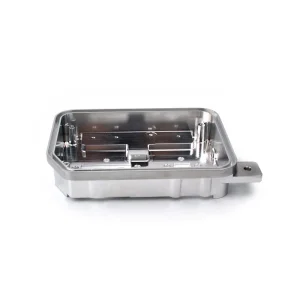
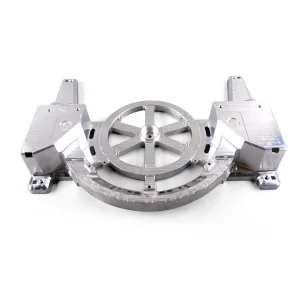
Zinc 7s represents a leap in metallurgical science. Unlike standard Zamak alloys, Zinc 7s (Special Grade High-Purity) is engineered for micro-tolerance CNC machining, offering a 30% increase in structural rigidity for thin-walled components.
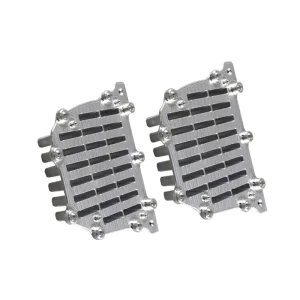
Current research focuses on enhancing the thermal coefficient of Zinc 7s. This allows components to maintain dimensional stability in extreme environments, crucial for 5G telecommunication heat sinks and aerospace sensors.
The roadmap includes advanced molecular bonding techniques. We are moving beyond simple anodizing to plasma-enhanced chemical vapor deposition (PECVD) for Zinc 7s, providing diamond-like hardness.
In an era of volatile supply chains, top-tier OEM Zinc 7s suppliers are transitioning from "component makers" to "strategic partners." We provide holistic solutions that address the entire product lifecycle.
Lightweight yet durable Zinc 7s components for cockpit instrumentation and non-structural airframe parts, meeting AS9100-level precision.
Biocompatible finishing and anti-microbial coatings applied to precision Zinc 7s parts for surgical tools and diagnostic imaging equipment.
Critical components for Electric Vehicle (EV) battery management systems and autonomous driving sensors where shielding and weight are paramount.
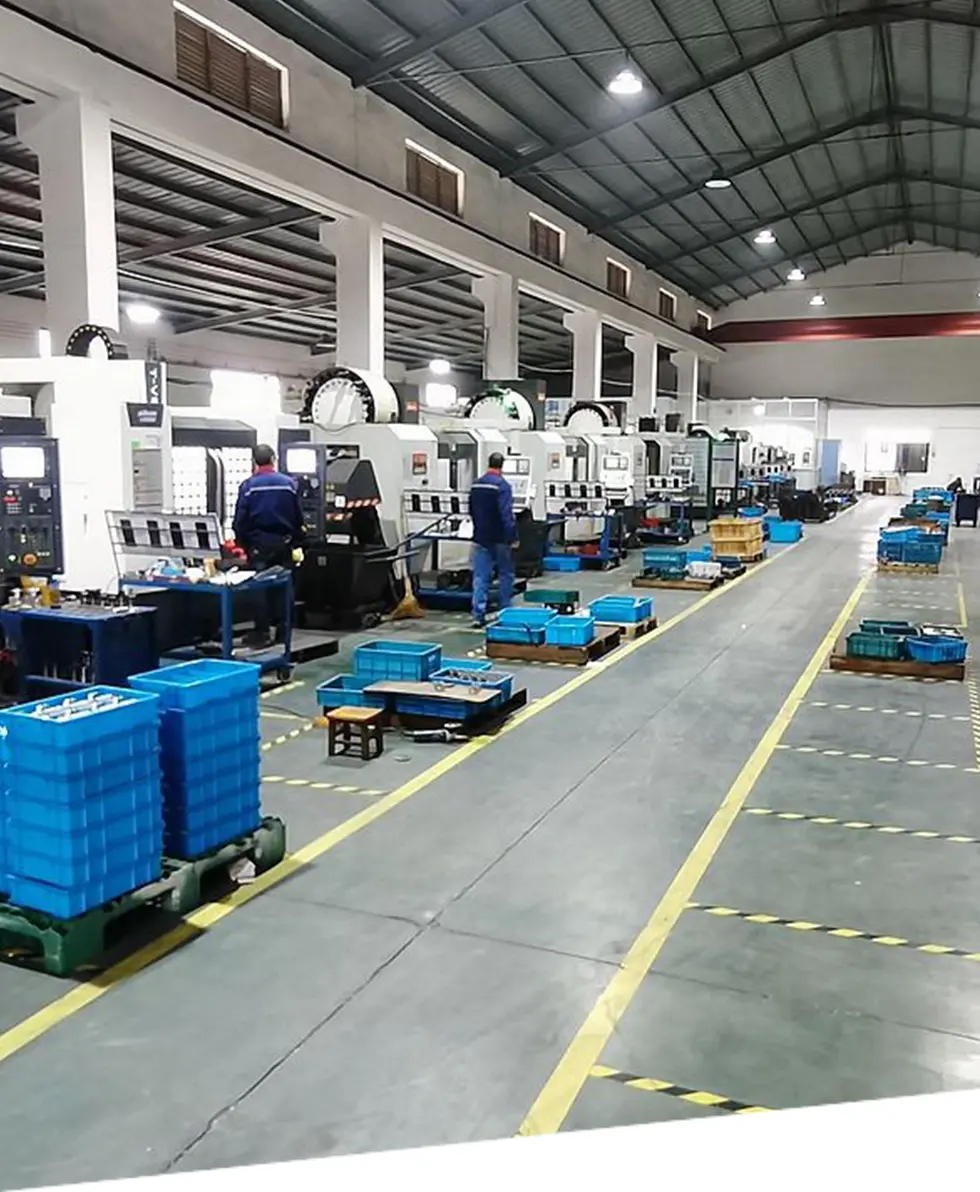
Hongrui is one of the top rapid prototyping companies in China. Dongguan Hongrui Model Technology Co., Ltd. was established in 2019 with a registered capital of 5 million yuan and currently employs over 100 people.
We are one of the best rapid prototyping companies in China, specializing in low-cost OEM CNC machining parts manufacturing. Our products are mainly used in industries such as automotive, medical, electronic, aerospace, machinery, communications, toys, and smart devices.
Our Dongguan facility integrates vertical, horizontal, three-axis, four-axis, and five-axis CNC machine tools. This diverse array of machinery allows us to handle complex geometries that traditional Zinc 7s suppliers cannot manage. By utilizing Industry 4.0 principles, we reduce waste by 15% and improve delivery speed by 25% compared to industry averages.
Strategic proximity to the Shenzhen/Hong Kong ports allows for rapid sea and air freight, ensuring your Zinc 7s parts arrive on time, anywhere in the world.
We strictly adhere to REACH and RoHS standards for all Zinc 7s materials, ensuring your products meet environmental regulations in the EU and North America.
Our localized support desk provides technical DFM (Design for Manufacturing) feedback within 24 hours to optimize your Zinc 7s designs.
When selecting OEM Zinc 7s suppliers, it is imperative to understand the material's unique position in the alloy hierarchy. Zinc 7s, often characterized by its minimal lead and cadmium content, offers superior fluidity during casting and exceptional stability during secondary CNC machining operations. This makes it the preferred choice for Zinc 7s factories that serve high-stakes industries like medical device manufacturing and telecommunications.
The technical roadmap for Zinc 7s is currently moving towards "Smart Metallurgy." This involves the integration of trace elements to enhance the grain structure of the alloy, allowing for even thinner wall sections without sacrificing structural integrity. As China Factory 4.0 standards become the norm, facilities like Dongguan Hongrui are leveraging automated monitoring to ensure that every batch of Zinc 7s parts maintains a level of consistency that was previously impossible.
From a macro-industry perspective, the global demand for precision zinc parts is surging. The push for lightweighting in the automotive sector, specifically within the EV (Electric Vehicle) market, has placed Zinc 7s at the forefront of engineering discussions. Its ability to be cast into complex shapes with high dimensional accuracy reduces the need for extensive secondary machining, thereby lowering the total cost of ownership for global enterprises.
Furthermore, compliance and localized support have become the pillars of a resilient supply chain. In the post-pandemic era, procurement officers are no longer just looking for the lowest price; they are looking for supply chain resilience. A factory that holds ISO 9001:2015 and SGS certifications, such as Hongrui, provides the "Authoritativeness" and "Trustworthiness" (parts of the E-E-A-T principle) required by multi-national corporations.
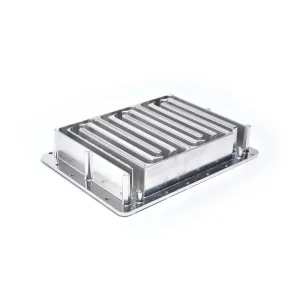
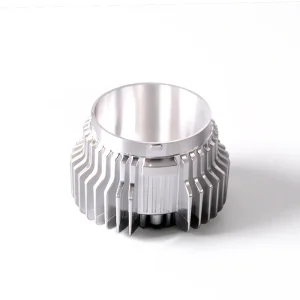
The synergy between 5-axis machining and Zinc 7s alloy properties allows for the creation of components that are not only functional but also aesthetically superior. Whether it is a heat-dissipating housing for a 5G base station or a high-precision component for a surgical robot, Zinc 7s provides the performance envelope needed for modern technological advancements. By choosing a supplier that understands the Information Gain inherent in advanced material science, companies can secure a competitive edge in their respective markets.
Looking forward, the integration of AI-driven design optimization will further revolutionize how we use Zinc 7s. Generative design algorithms can now suggest geometries that maximize strength-to-weight ratios, which our 5-axis CNC centers can then execute with ±0.005 mm precision. This is the future of OEM manufacturing: a perfect harmony of advanced material science, Industry 4.0 automation, and rigorous quality control.
 Hongrui Model