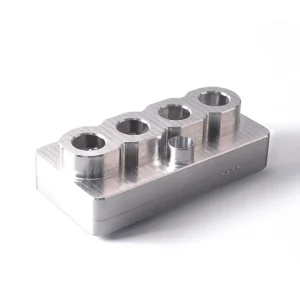
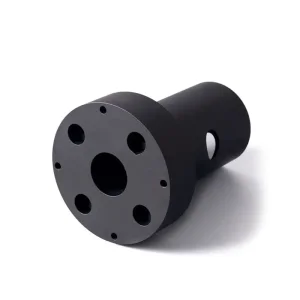
Premium engineering components designed for global process lines, spray drying systems, and synthesis facilities.
The scientific paradigm shift from inorganic metal salts to stable organic complexes in modern nutrition and animal husbandry.
Zinc Methionine is an advanced organometallic chelated compound formed by bonding one molecule of essential zinc ion with one or more molecules of the amino acid methionine. In the global biological and chemical markets, this compound has revolutionized trace mineral nutrition. Traditional feed additives and human supplements relied heavily on inorganic mineral salts, such as zinc sulfate ($ZnSO_4$) or zinc oxide ($ZnO$). However, these inorganic options suffer from low cellular absorption rates, gastrointestinal antagonism, and unwanted interactions with phytic acid and other dietary fibers.
By utilizing chelation technology, the zinc atom is shielded within the molecular structure of L-methionine. This prevents the zinc from ionizing in the acidic environment of the upper digestive system, protecting it from binding to dietary antagonists. Instead, the entire complex is absorbed via the intestinal amino acid pathways, ensuring exceptionally high bioavailability and direct transport to target tissues.
The molecular stability of Zinc Methionine is governed by the chelation index, which quantifies the percentage of zinc bound to the ligand. Global industrial manufacturers aim for a strict 1:1 or 1:2 molar ratio to optimize thermodynamic stability in different pH media.
How market trends are reshaping the demand for high-purity organometallic compounds.
Global procurement teams must navigate complex regulatory landscapes, including the European Food Safety Authority (EFSA) restrictions and the Association of American Feed Control Officials (AAFCO) definitions. Suppliers must provide batch-tested certificates of analysis ensuring zero residual solvent and optimal molecular weight parameters.
Modern husbandry facilities and human wellness companies require non-GMO, allergen-free, and halal/kosher certified mineral inputs. Traceability from raw chemical precursors to the final packaged powder is essential for modern risk mitigation policies.
Handling properties in industrial factories represent a massive operational bottleneck. OEM suppliers must optimize granule size distribution (typically 80-100 mesh) and include premium anti-caking flow agents to prevent equipment clogging and ensure seamless dosing during continuous feed blending processes.
Precision-machined process equipment is the foundation of high-purity chemical processing.
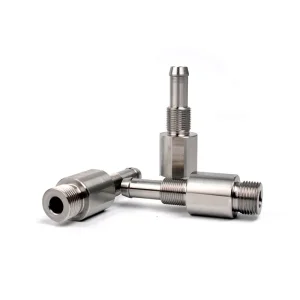
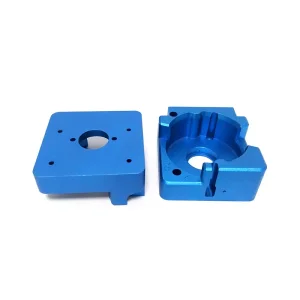
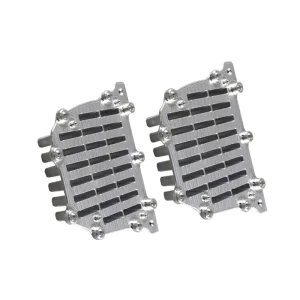
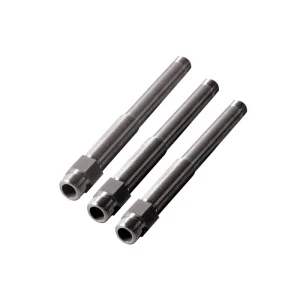
In the chemical synthesis of organic mineral chelates, such as Zinc Methionine, manufacturing equipment undergoes severe chemical and physical stress. The raw synthesis slurry containing acidic amino acids and active metallic salts requires high-precision valves, custom nozzles, reactor linings, and automated fluid systems.
This is where Dongguan Hongrui Model Technology Co., Ltd. (established in 2019, registered capital of 5 million yuan, with over 100 dedicated employees) plays a vital role. We are recognized as one of the best rapid prototyping and precision manufacturing entities in China, specializing in low-cost OEM CNC machining parts manufacturing.
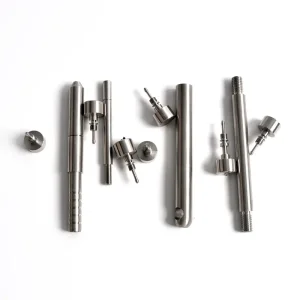
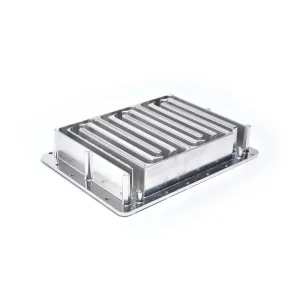
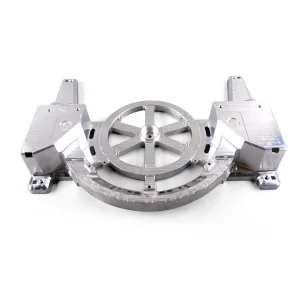
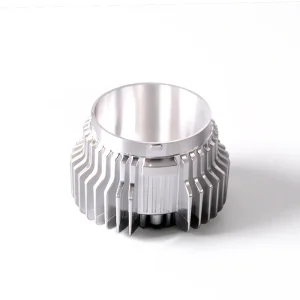
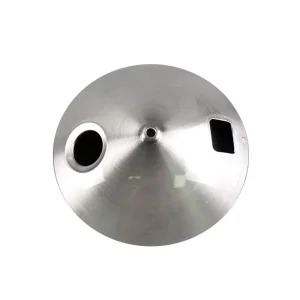
Our comprehensive production capacity includes high-quality milling, turning, grinding, and deburring services using high-grade materials like titanium, copper, stainless steel, and advanced chemical-resistant plastics. These processes ensure that chemical manufacturers receive corrosion-resistant parts engineered to withstand aggressive pH environments and continuous production runs.
Leveraging smart manufacturing, advanced material tracking, and localized logistics hubs to stabilize the global supply of raw inputs.
China's modern chemical processing and precision engineering ecosystems have transitioned to Industry 4.0 protocols. To secure raw equipment integrity, we strictly execute ISO provisions. In 2020, Hongrui passed the quality system audit by SGS company, and in 2023, we obtained the "GB/119001-2016 ISO 9001:2015" certificate, alongside environmental system audits from SGS.
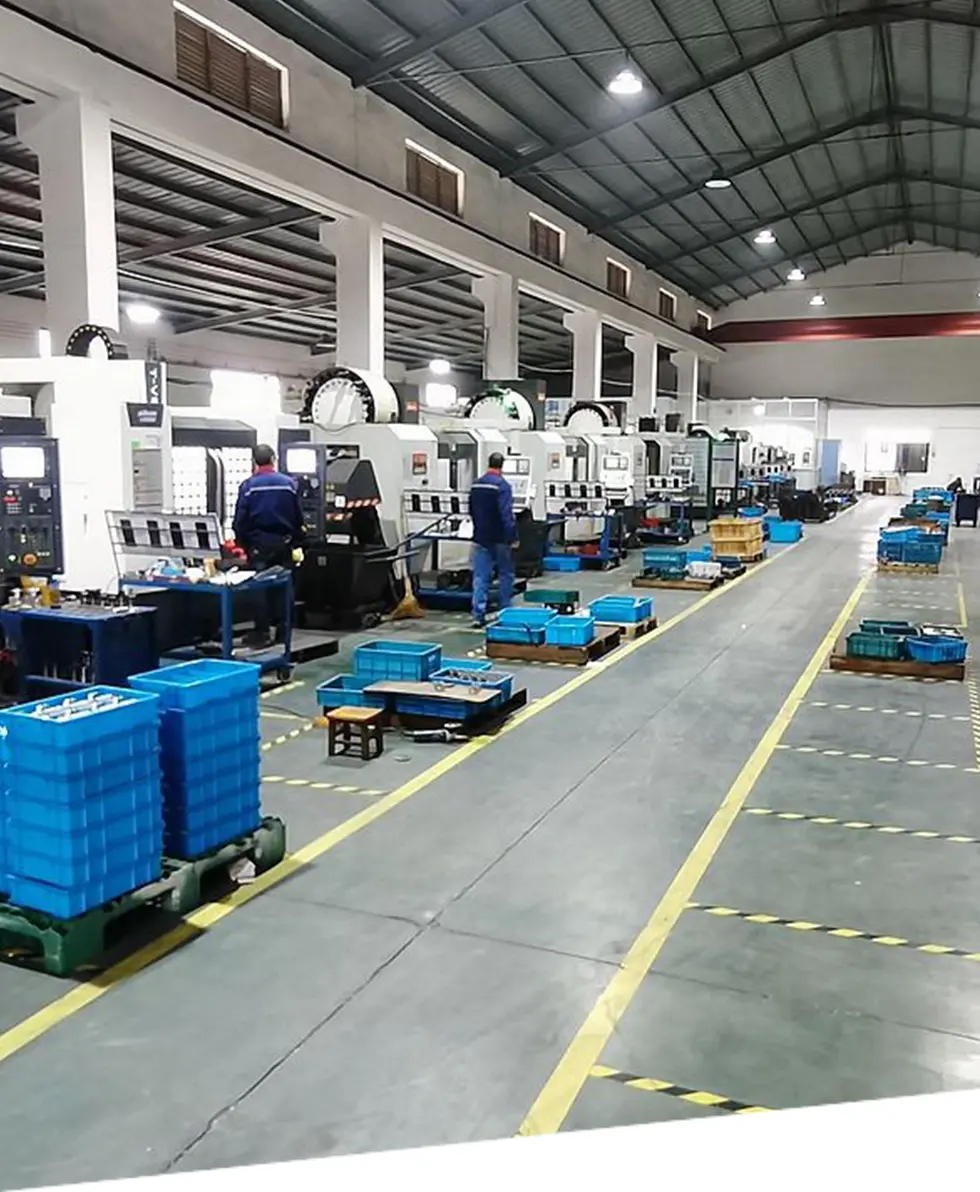
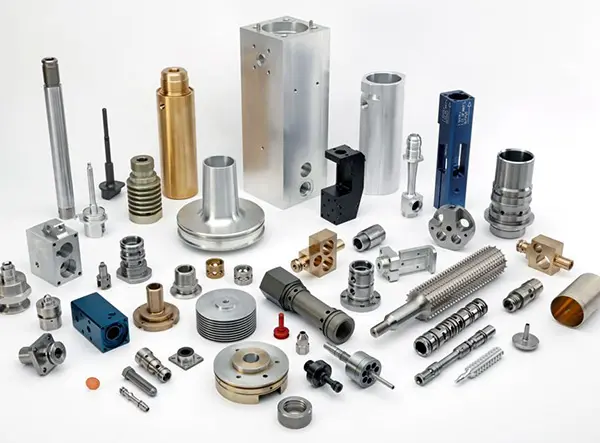
Our machining facility houses a fleet of vertical, horizontal, three-axis, four-axis, and five-axis CNC machine tools that can significantly shorten delivery times for custom manufacturing projects. The optimal tolerance of our machined components can be controlled within ±0.0002 inches and ±0.005 mm, making it suitable for manufacturing high-precision OEM parts for medical, aerospace, and chemical manufacturing lines.
We work with complex materials critical to chemical environments, including aluminum, stainless steel, copper, nickel, cobalt, tungsten, titanium, and engineered plastics, as well as providing finishing treatments like anodizing, sandblasting, polishing, and pressure testing.
Targeted deployment of chelated minerals across multiple livestock and industrial sectors.
Zinc Methionine supplementation is highly effective in dairy operations to reduce somatic cell counts and strengthen the hoof keratin structure. This directly mitigates lameness, one of the primary financial drains in commercial dairy farming.
Poultry integrators utilize chelated zinc to improve breast meat yield and skin integrity in broilers. It also enhances eggshell quality in layers, reducing mechanical breakage losses during automated transit and packaging.
Weanling piglets struggle with gastrointestinal transitions. Incorporating bioavailable zinc methionine regulates gut morphology, prevents diarrheal outbreaks, and promotes optimal daily gain during crucial early growth phases.
Deep dive into the reaction chemistry, process monitoring, and structural benefits of premium chelates.
The industrial synthesis of Zinc Methionine requires controlled liquid-phase coordination chemistry. Soluble divalent zinc ions ($Zn^{2+}$) are reacted with L-methionine ligands under specific temperature profiles ($60^\circ\text{C}$ to $80^\circ\text{C}$) and pH ranges ($4.5$ to $6.0$). Keeping the reaction environment within these tight operational parameters is critical to maximize the formation of chelate rings and prevent the precipitating out of unchelated zinc hydroxide or the degradation of methionine.
Unchelated metal ions in animal diets pose several physiological problems. Firstly, they readily bind with phytic acid, forming insoluble complexes that pass through the digestive tract unabsorbed. Secondly, they can act as oxidizing agents, degrading fat-soluble vitamins (such as A and E) and reducing the shelf life of formulated feed blends. In contrast, the heterocyclic ring structure of Zinc Methionine shelters the metal ion, rendering the compound electrically neutral and chemically inert during transit through the upper digestive tract. Upon reaching the small intestine, it is absorbed intact via active amino acid transporters rather than competing with other metal ions at divalent metal transporter 1 (DMT1) sites.
To verify the success of this chelation process, leading OEM manufacturers utilize Fourier Transform Infrared (FTIR) spectroscopy. FTIR identifies shifts in the absorption bands of the amino acid's carboxyl group ($COO^-$) and amino group ($NH_2$). In free methionine, the asymmetric stretching of the carboxyl group occurs at approximately $1580\text{ cm}^{-1}$. When chelated with zinc, this band shifts to lower frequencies (around $1620\text{ cm}^{-1}$ to $1600\text{ cm}^{-1}$), confirming the formation of coordination bonds between the zinc cation and oxygen/nitrogen donor atoms.
Answering the most critical technical and logistical questions for procurement professionals and plant managers.
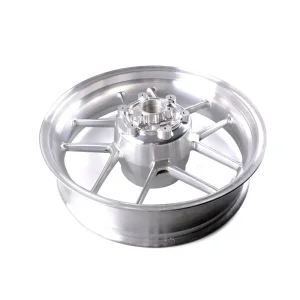
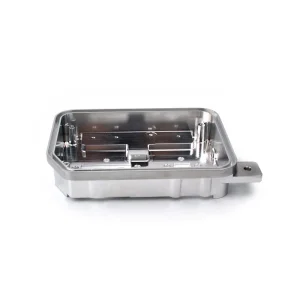
Browse our complete lineup of custom industrial tools, high-precision machining services, and metal finishing solutions.
 Hongrui Model