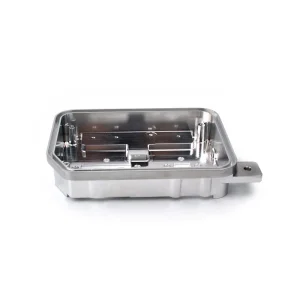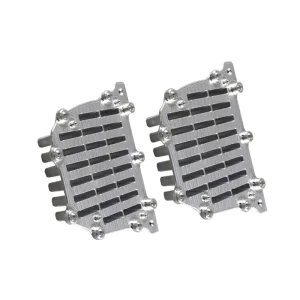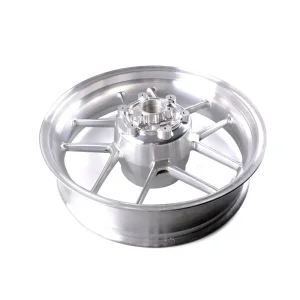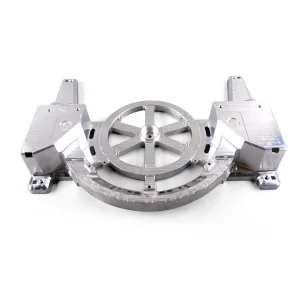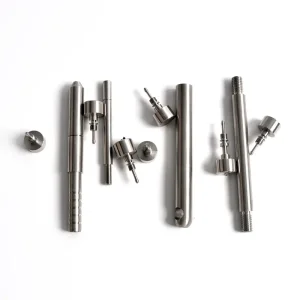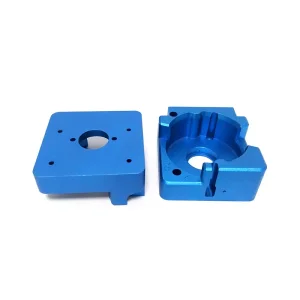
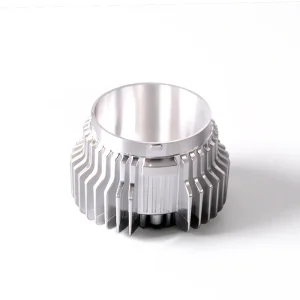
The Samara Oblast region, strategically located along the Volga River industrial corridor, represents one of Eastern Europe's most significant hubs for aerospace propulsion engineering, automotive manufacturing, and heavy petrochemical equipment fabrication. With iconic enterprises such as the Progress Rocket Space Centre, Kuznetsov PJSC (rocket engines and aviation turbines), and proximity to the Togliatti automotive manufacturing ecosystem, components manufactured for or within Samara must endure extreme mechanical fatigue, wide thermal fluctuations (-40°C to +1500°C combustion zones), and chemical exposure.
Selecting the optimal surface treatment mode is no longer merely a cosmetic finishing choice—it is a critical mechanical design decision. From Type III Hardcoat Anodizing (MIL-A-8625) for lightweight aerospace aluminum alloys to Diamond-Like Carbon (DLC) PVD coatings for high-pressure fuel injection systems, surface modification directly determines part longevity, corrosion resistance, micro-hardness, and friction coefficients.
Whether sourcing for rocket engine valving, vehicle chassis modules, or deep-well oil pumps in the Volga region, surface treatment modes must strictly align with international standardizations (ASTM, ISO, DIN, MIL-SPEC) while ensuring seamless cross-border supply chain throughput.
Type II (Sulfuric Acid) & Type III (Hardcoat): Controlled electrolytic oxidation forming a dense aluminum oxide layer directly from the parent metal. Vital for structural airframe components and pneumatic actuators in Samara’s aerospace sector.
Electroless Nickel Plating (ENP) & Passivation: Autocatalytic chemical deposition delivering 100% uniform coating thickness even inside internal channels, blind holes, and complex thread geometries.
TiN, CrN, TiAlN, DLC: Thin-film vapor deposition under high-vacuum plasma environments creating micro-thin layers with extremely low friction and exceptional thermal stability up to 900°C.
Consult this engineering data matrix when selecting surface specification modes for critical machinery and aerospace assemblies:
| Treatment Mode | Typical Substrates | Layer Thickness | Micro-Hardness | Salt Spray Resistance | Primary Industrial Use Case (Samara) |
|---|---|---|---|---|---|
| Type III Hard Anodizing | AL 7075-T6, AL 6061-T6 | 25 – 50 µm | 400 – 500 HV | 1,000+ Hours | Aerospace Airframe Structures & Manifolds |
| Electroless Nickel (High-P) | Carbon Steel, Alloy Steel, Stainless | 10 – 75 µm | 500 – 950 HV (Post-Heat) | 500+ Hours | Volga Petrochemical Flow Control Valves |
| PVD Titanium Nitride (TiN) | Tool Steel, Carbide, Titanium | 2 – 4 µm | 2,300 HV | 300+ Hours | Automotive Stamping Dies & Cutting Tools |
| Diamond-Like Carbon (DLC) | Stainless Steel, Titanium Alloys | 1 – 3 µm | 3,000 – 5,000 HV | 400+ Hours | High-Pressure Fuel Injection Pistons |
| Bead Blasting + Passivation | 304L, 316L, 17-4PH Stainless | N/A (Subtractive/Chemical) | Base Metal | 500+ Hours | Industrial Food Processing & Cleanroom Parts |
Dongguan Hongrui Model Technology Co., Ltd. was established in 2019 with a registered capital of 5 million yuan and currently employs over 100 highly skilled engineers and technicians. Recognized as one of China's premier rapid prototyping and precision manufacturing plants, we specialize in high-efficiency OEM CNC machining and advanced surface finishing solutions tailored for international supply chains.
Our quality assurance system is audited and backed by rigorous international standardizations. In 2020, we successfully passed the comprehensive quality audit by SGS. In 2023, we earned our formal GB/T 19001-2016 / ISO 9001:2015 certification, alongside passing SGS's stringent environmental system audit.
Tight Tolerance Capabilities: We achieve tight tolerances down to ±0.0002 inches (±0.005 mm) across complex geometries, matching strict aerospace and defense manufacturing requirements.
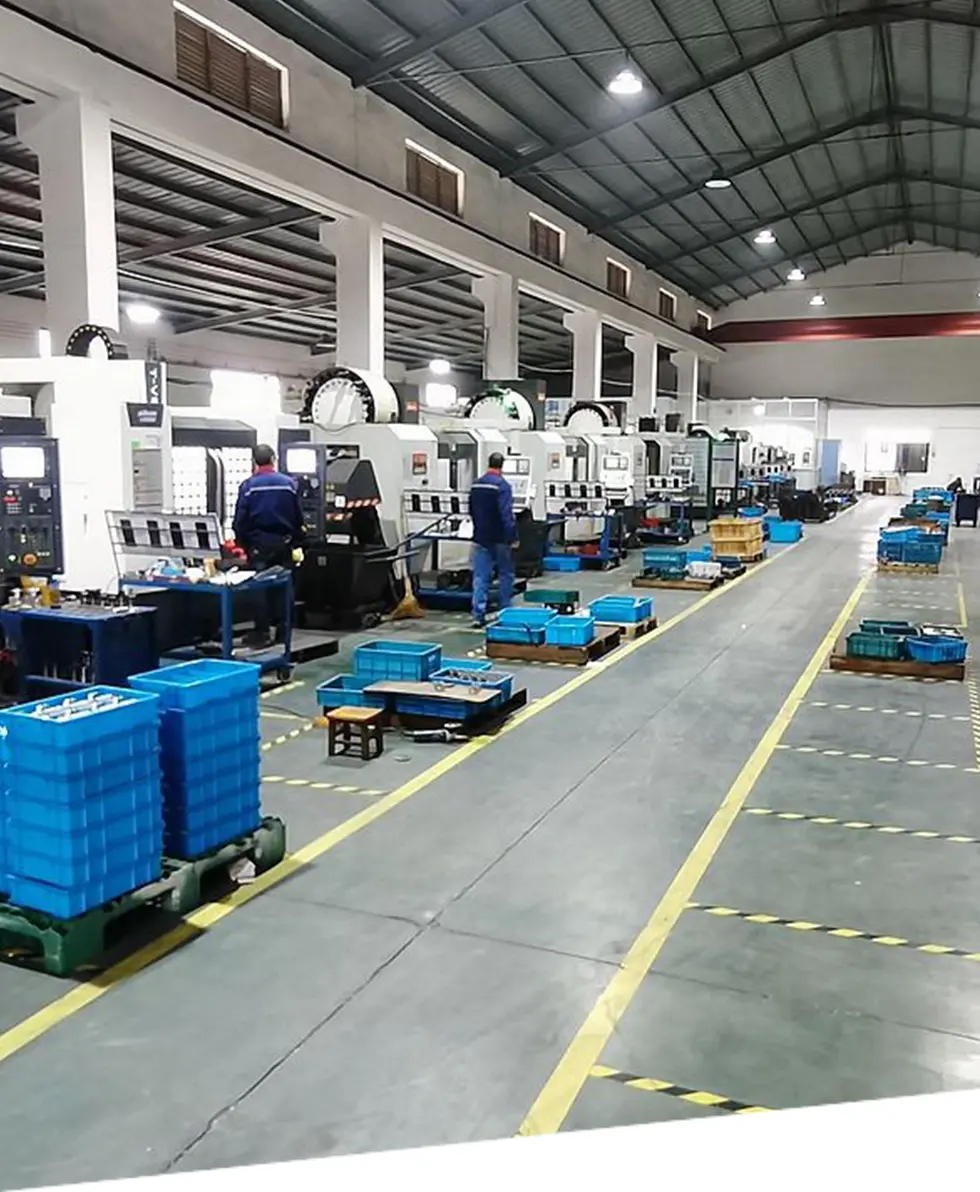
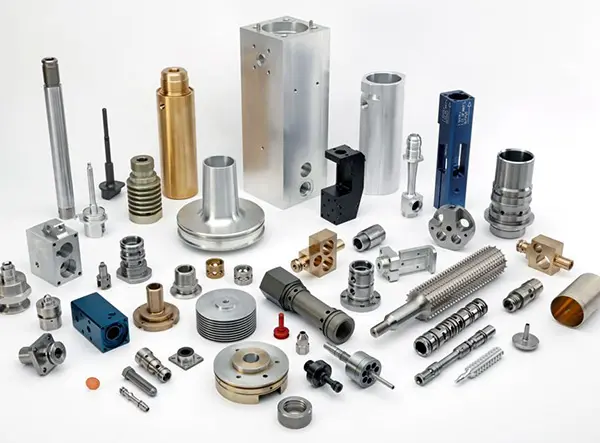
Our factory operates over 50 state-of-the-art CNC machine tools, including vertical, horizontal, 3-axis, 4-axis, and high-precision 5-axis CNC machining centers. This infrastructure enables rapid turnaround times for prototype batches and large-scale industrial runs alike.
Machining Materials & Surface Finishes:
For industrial manufacturers in Samara (and across Samara Oblast, including Togliatti and Syzran), securing direct manufacturing ties with high-capacity Chinese facilities delivers total cost of ownership (TCO) efficiency without compromising international quality benchmarks.
Leveraging China-Europe Railway Express (Eurasian Rail Connection) directly connecting major Chinese logistics hubs to Samara terminals (e.g., Bezenchuk/Kinel nodes). Rail freight delivers bulk surface-treated parts in 14 to 18 days at a fraction of air transport costs.
For urgent dynamic engine prototypes or emergency spare components, air cargo shipping into Kurumoch International Airport (KUF in Samara) guarantees door-to-door transit times within 4 to 6 business days.
Full support for GOST, EAC certification paperwork, material batch test reports, CMM inspection records, and dual-language technical invoices for fast Russian customs processing.
Understanding how specific surface treatment modes perform under actual operating conditions in Samara's key industries:
Challenge: Extremes of sub-zero arctic ground temperatures followed by immediate thermal shock during rocket engine startup.
Solution: 5-Axis CNC machined AL-7075 components treated with Micro-Arc Oxidation (MAO/PEO) to achieve a non-porous 1200 HV ceramic layer capable of surviving extreme thermal gradient stresses.
Challenge: High-cycle wear on gear selector forks and hydraulic transmission housings manufactured in Togliatti/Samara industrial plants.
Solution: Precision CNC turning + Electroless Nickel Plating (ENP High-Phosphorus) with post-heat treatment yielding 950 HV micro-hardness and zero dimensional variance across internal fluid galleries.
Challenge: Corrosive river water exposure combined with abrasive mud slurries in oil pumping units.
Solution: Custom CNC bored stainless 316L housings treated with PVD Chromium Nitride (CrN) to provide dual wear and cavitation-corrosion protection.
Type II anodizing (10–15 µm thickness) is optimized for decorative appearance, standard atmospheric corrosion resistance, and color dyeing. Type III Hard Anodizing (25–50 µm thickness) creates a significantly denser oxide film (>50 HRC equivalent), engineered for severe mechanical abrasion, sliding friction, and aerospace-grade environmental resistance.
Different modes affect part dimensions differently. Anodizing grows into and out of the material surface (e.g., 50% penetration, 50% buildup). Electroless Nickel deposits uniformly (100% buildup). At Hongrui, our 5-axis CNC machining programs pre-calculate exact plating/coating offsets to ensure final post-treatment parts meet tolerances down to ±0.005mm.
Yes. We provide complete export logistics management, dispatching fully treated, inspected, and packaged CNC components directly to your factory doors in Samara, Togliatti, Syzran, or Novokuibyshevsk via air freight or Eurasian railway corridors.
Every delivery includes full CMM dimensional inspection sheets, material certificate (mill test report), surface roughness test curves (Ra/Rz metrics), coating thickness measurement logs (X-ray fluorescence or magnetic gauge), and ISO 9001 compliance documentation.
Electroless Nickel Plating and Type III Anodizing with PTFE sealing perform exceptionally well under extreme sub-zero temperatures, preventing cold-welding, moisture intrusion, and chemical micro-cracking.
Prototype runs generally require 3 to 7 working days for multi-axis CNC machining, plus 2 to 4 days for specialized surface finishing and quality inspection, enabling rapid delivery within 2 weeks total to Samara buyers.
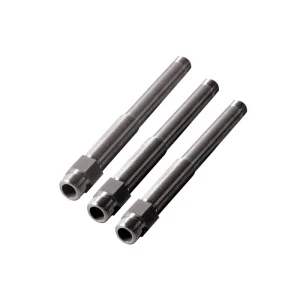
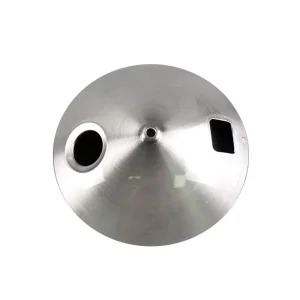
Submit your 2D/3D CAD drawings (STEP, IGES, DWG) and surface finish requirements today. Receive a comprehensive DFM review and competitive quote within 24 hours.
Send Inquiry Now Hongrui Model